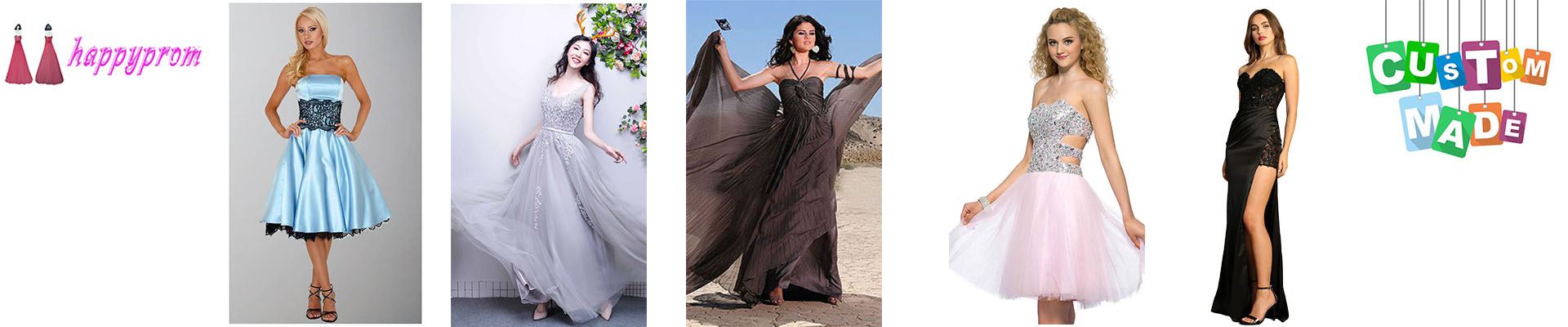


The “Expectation vs. Reality” Moment We’ve all been there: You find the perfect prom dress online or on the rack. It’s the right color, the right sparkle, and it’s basically your Pinterest board come to life. You grab your usual size, head to the fitting room, and then… it happens. The zipper won’t budge, or you’re swimming in fabric.
The Relatable Truth Here is the truth nobody tells you: Prom dress sizes are basically a different language. If you’re a size 4 in your favorite jeans, you might be an 8—or even a 10—in formal wear. It’s not you, and it’s definitely not your body. It’s the industry’s “vintage” sizing standards that haven’t changed in decades.
Buying a prom dress is probably the biggest fashion investment you’ve made so far, and you deserve to feel like a ten (even if the tag says something else). In this guide, we’re ditching the “street size” guesswork and showing you exactly how to measure like a pro, decode designer size charts, and ensure you can actually breathe—and dance—all night long.

1. Understanding Prom Dress Sizing: Why Your Regular Size Doesn’t Matter
Here is the first truth bomb: your prom dress size will NOT match the size on your jeans, t-shirts, or any other clothing in your closet. If you typically wear a size 6 in fast-fashion brands, you might need a size 8 or 10 in formal wear. This isn’t a reflection of your body—it’s simply how formal dress sizing works.
The Truth About Vanity Sizing in Formal Wear
Fast-fashion retailers often use vanity sizing to make customers feel good about their purchases. A size 4 from a mall retailer might actually fit like a traditional size 8. Formal wear designers, however, stick closer to standardized measurements. They’re less likely to inflate sizes, which means prom dresses typically run 1-2 sizes smaller than regular clothing.
The Golden Rule: Always shop by measurements, not the number on the tag. That number is just a reference point. What matters is how the dress fits your unique body.

European vs. American Prom Dress Sizing
Many prom dress designers use European sizing scales or vintage-inspired systems. Some boutiques even carry dresses sized 0-14 that correspond to bust measurements ranging from 32 to 44D. Without checking the specific size chart for each designer, you can’t know what the numbers mean. This is why measurements are your most reliable tool when shopping for a prom dress.
2. How to Take Accurate Measurements for a Prom Dress
Taking accurate body measurements is the foundation of finding your perfect prom dress size. Even a half-inch difference can affect which size you order, so precision matters.
Tools You Need to Measure for a Prom Dress
- Soft measuring tape: Use a fabric measuring tape, not a metal one. Fabric tape is flexible and won’t dig into your skin, giving you more accurate readings.
- The right undergarments: Wear the bra and shapewear you plan to wear to prom. These garments can add or subtract inches from your measurements.
- A helper: While you can measure yourself, having someone else do it ensures the tape is level and positioned correctly.
Where to Measure: Bust, Waist, and Hips
Bust Measurement: Wrap the measuring tape around the fullest part of your chest, typically at nipple level. Keep the tape parallel to the floor and snug but not tight. Make sure it’s not twisted in the back. Breathe normally—don’t hold your breath or puff out your chest. Round to the nearest half-inch.
Waist Measurement: Find your natural waistline by bending to one side—the crease that forms is your natural waist. This is usually about an inch above your belly button, at the narrowest part of your torso. Measure around this point without sucking in or pushing out. The tape should be snug enough to stay in place but loose enough to slide a finger underneath.
Hip Measurement: Stand with your feet together and measure around the fullest part of your hips and bottom. This is typically about 7-9 inches below your natural waistline. Keep the tape parallel to the floor and make sure it’s level all the way around—not dipping lower in the back.
Common Measurement Mistakes to Avoid
- Measuring over thick clothing: Always measure in just your undergarments or very thin clothing.
- Pulling the tape too tight: The tape should lie flat against your skin without compressing it.
- Measuring at the wrong time: Take measurements in the morning before eating when you’re not bloated.
- Only measuring once: Always measure twice and use the average if the numbers differ.
- Rounding incorrectly: Round to the nearest half-inch, not up or down to whole numbers.
Check out our guide to: Essential Measurements for Your Custom Prom Dress: A Complete Guide
3. How to Read a Prom Dress Size Chart
Now that you have your measurements, it’s time to compare them to the designer’s size chart. Here’s the reality: most people don’t fall perfectly into one size. Your bust might be a size 6, your waist a size 4, and your hips a size 8. This is completely normal and exactly why understanding how to prioritize measurements is crucial.
Typical Prom Dress Size Chart Example:
| Size | Bust | Waist | Hips | Street Size |
| 2 | 32.5 | 25.5 | 35.5 | 0-2 |
| 4 | 33.5 | 26.5 | 36.5 | 2-4 |
| 6 | 34.5 | 27.5 | 37.5 | 4-6 |
| 8 | 36.5 | 29.5 | 39.5 | 6-8 |
| 10 | 38.5 | 31.5 | 41.5 | 8-10 |
Note: This is a sample chart. Always refer to the specific designer’s size chart for accurate sizing.
Size Chart Tips for A-Line and Ball Gown Dresses
For A-line and ball gown silhouettes, focus primarily on your bust and waist measurements. The skirt on these styles is voluminous and forgiving, so hip measurements are less critical. If your bust is a size 6 and your waist is a size 8, order the size 8. The bodice can be taken in slightly during alterations, but letting out is much harder and often impossible.
Size Chart Tips for Mermaid and Fitted Dresses
For mermaid, trumpet, and bodycon styles, all three measurements matter equally. These fitted silhouettes hug every curve from bust to mid-thigh or knee, so you need the dress to accommodate your largest measurement. If your bust is a 6, waist is a 4, and hips are an 8, order the size 8. A skilled tailor can take in the bust and waist areas to create a custom fit.
What to Do When You’re Between Sizes
If you’re between sizes, always size up. Here’s why: it is significantly easier and more affordable for a tailor to take a dress in than to let it out. Most dresses have limited fabric in the seam allowances—often just 1/4 to 1/2 inch—meaning there’s little to no extra fabric to work with when sizing up. However, taking in a dress simply requires removing fabric and re-sewing seams, a straightforward alteration that costs £30-£75.
4. Choosing Between Sizes: When to Size Up or Down
While the always size up rule is generally solid advice, there are nuances depending on fabric type and dress construction. Understanding these factors will help you make the smartest decision for your specific dress.
Best Size Strategy for Stretchy Fabrics (Jersey & Spandex)
Jersey, spandex blends, and stretch crepe offer considerable give, making them more forgiving if your measurements are slightly off. These fabrics can stretch 10-25% from their resting state, which means they accommodate a range of measurements within a single size.
When to consider the smaller size: If you’re between sizes and the dress is made from a stretchy fabric, you might be comfortable in the smaller size—but only if your measurements are very close to the upper range of that size. For example, if a size 6 accommodates up to a 34.5D; bust and you measure 34.75D;, the stretch will accommodate you. However, if you measure 35.5D;, size up to the 8.
Warning: Avoid going too small. Stretch fabric pulled to its limit looks unflattering, creates visible seam stress, and feels restrictive when sitting or dancing.
Best Size Strategy for Non-Stretch Fabrics (Satin & Taffeta)
Satin, taffeta, mikado, and structured organza offer zero stretch. What you see is what you get. These fabrics require precise measurements because they won’t give at all.
Always size up: If you’re between sizes in a non-stretch fabric, definitely order the larger size. A satin dress that’s too small will pull at the seams, create horizontal wrinkles across the bust or hips, and feel uncomfortable. These fabrics show every imperfection, so a too-tight fit is immediately noticeable.
Bonus: Structured fabrics like satin and taffeta are easier to alter than delicate fabrics like lace or chiffon. A good tailor can take in a satin dress beautifully, creating clean, invisible seams.
The Benefits of Corset Back Prom Dresses
If you’re genuinely unsure about sizing, consider choosing a dress with a corset or lace-up back. These closures offer incredible adjustability—you can cinch the dress tighter or loosen it as needed. Corset backs typically accommodate a 2-4 inch variance in measurements, making them ideal if:
- You’re between sizes with measurements spanning 3+ inches
- Your measurements fluctuate due to your cycle or weight changes
- You’re still growing (common for high school juniors)
- You want ultimate comfort (you can adjust throughout the night)
5. Fabric & Silhouette: How They Affect Prom Dress Fit
Beyond understanding stretch vs. non-stretch, it’s helpful to know how different fabrics behave on the body. This knowledge helps you set realistic expectations for fit and alterations.
Chiffon: Lightweight and flowy, chiffon doesn’t stretch but drapes beautifully. While the skirt is forgiving, the bodice still needs to fit properly. Chiffon is challenging to alter because it’s delicate and shows pin holes.
Tulle: Similar to chiffon but stiffer. Ball gowns with tulle skirts are very forgiving in the hips. The multiple layers create volume that hides any fit issues below the waist.
Lace: Lace can be stretchy (if backed with spandex) or non-stretch (if backed with organza or worn alone). Check the lining to know how much give the dress has. Lace is expensive and difficult to alter—the pattern must match across seams.
Velvet: Usually has minimal stretch unless blended with spandex. Velvet shows every imperfection, so fit is critical. It’s also heavy—consider this if you’ll be dancing all night.
Sequins/Beading: Embellished fabrics cannot be altered easily. Each sequin or bead is hand-sewn, and moving seams means removing and reapplying embellishments. If your dress is heavily embellished, sizing accuracy is even more critical.
Pro Tip: When shopping online, read the product description carefully. Look for phrases like stretch crepe or built-in boning; or 100% polyester satin. These details tell you how the dress will fit and behave.
Check out our guide to: 12 Most Popular Prom Dresses Fabrics You Should Know
6. Prom Dress Alterations: Cost, Timing & What to Expect
Here’s a reality check: even if you order the perfect size based on measurements, your dress will almost certainly need alterations. This isn’t a failure—it’s the nature of off-the-rack formal wear. Dresses are manufactured to fit a wide range of bodies, and alterations customize the fit to your unique proportions.
Average Cost of Prom Dress Alterations
Plan to budget £50-£150 for professional tailoring, though this can vary based on your location and the complexity of the work. Here’s a breakdown of typical costs:
| Alteration Type | Typical Cost |
| Simple hem (no embellishments) | £30-£60 |
| Hem with lace or beading | £60-£100 |
| Taking in bodice or waist | £40-£75 |
| Adjusting straps | £20-£40 |
| Adding cups or boning | £25-£50 |
| Taking in hips (fitted dress) | £50-£100 |
| Bustle (for train) | £30-£60 |
Complex alterations—like completely restructuring a bodice or letting out a dress—can cost £150-£300 or more. This is why sizing up is so important.
Check out our guide to: Prom Dress Alterations: How Much It Will Cost (And What You Need to Know)
Most Common Prom Dress Alterations
1. Hemming: This is hands-down the most common alteration. Manufacturers make dresses long to accommodate tall customers, so if you’re 5′ or under, you’ll almost definitely need your dress hemmed. Bring the exact shoes you plan to wear to your fitting so the tailor can hem to the perfect length. If you’re wearing heels, don’t forget this step—even a 1-inch height difference affects the hem.
2. Taking in the bodice: If you sized up to accommodate your hips but the top is loose, a tailor can take in the bodice for a snug, flattering fit. This usually involves taking in the side seams or the back seam.
3. Adjusting straps: Shortening straps can dramatically improve how a dress sits on your shoulders and enhance your posture. If straps are too long, the bodice sags and the waistline sits too low.
4. Adding structure: Many strapless and low-cut dresses benefit from added cups or boning for support. This prevents the dress from slipping down and provides a smoother silhouette.
How Far in Advance to Book Your Fitting
Book your alteration appointment at least 4-6 weeks before prom. This timeline gives the tailor enough time to do quality work without rushing, and it gives you time for a second fitting if needed.
Ideal Timeline:
- 3-4 months before prom: Order your dress
- 6 weeks before prom: First fitting appointment
- 2-3 weeks before prom: Pick up altered dress and do final try-on
- 1 week before prom: Emergency window for any last-minute tweaks
Warning: Don’t wait until the last minute. Tailors get swamped during prom season (typically March-May), and you don’t want to be left scrambling for an appointment or rushing your alterations.
7. Prom Night Emergency Kit: Essential Items for Fit Issues
Even with a perfectly tailored dress, minor fit issues can arise on prom night. Be prepared with these essentials:
| Item | Why You Need It |
| Fashion Tape | Keeps strapless dresses in place, secures plunging necklines, prevents gaping, and tapes bra straps to your skin so they don’t show |
| Safety Pins | Emergency fixes for broken straps, loose hems, or unexpected wardrobe malfunctions. Pack multiple sizes. |
| Silicone Nipple Covers | Smooth, invisible coverage under thin or light-colored fabrics, especially if you’re going braless |
| Stain Remover Pen | Quick fixes for food or makeup spills before they set into the fabric |
| Deodorant Wipes | Stay fresh during hours of dancing, especially in fitted or non-breathable fabrics |
| Blister Pads | Because even broken-in heels can cause discomfort after hours of wear. Apply at the first sign of rubbing. |
| Mini Sewing Kit | For quick hem repairs or reattaching loose embellishments. Bring thread that matches your dress. |
| Clear Nail Polish | Stops runs in sheer fabric or tights from spreading. Can also secure loose threads temporarily. |
Keep this kit in a small clutch, your car, or have a friend hold it. You’ll be grateful to have these items on hand when minor issues arise!
Frequently Asked Questions About Prom Dress Sizing
Q: Do prom dresses run small?
A: Yes, most prom dresses run 1-2 sizes smaller than regular clothing due to European sizing standards and the lack of vanity sizing in formal wear. If you typically wear a size 6 in fast fashion, expect to need a size 8 or 10 in a prom dress.
Q: What if I’m between two sizes?
A: Always size up. It’s easier and cheaper for a tailor to take in a dress than let it out. Most dresses have minimal seam allowances, making it nearly impossible to add fabric.
Q: How much do prom dress alterations cost?
A: Expect to budget £50-£150 for professional alterations. Simple hemming costs £30-£60, while more complex work like taking in the bodice runs £40-£75. Heavily embellished dresses cost more to alter.
Q: When should I order my prom dress?
A: Order 3-4 months before prom to allow time for shipping (2-4 weeks) and alterations (4-6 weeks minimum). This timeline also gives you a buffer for any issues or exchanges.
Q: Can I alter a prom dress myself?
A: Simple hems on unlined dresses are possible for experienced sewers, but complex alterations involving boning, multiple layers, or embellishments should be done by professionals. One mistake can permanently damage your dress.
Q: Should I order a size based on my bust, waist, or hips?
A: It depends on the silhouette. For A-line and ball gowns, prioritize bust and waist. For mermaid and fitted styles, order based on your largest measurement (usually hips) and have the smaller areas taken in.
Q: What if my measurements don’t match any size on the chart?
A: This is common! If your measurements span multiple sizes, order based on the largest measurement and plan for alterations. Alternatively, consider custom-made dresses or brands that offer made-to-measure options.
Final Thoughts: Your Perfect Prom Dress Fit
Choosing the right prom dress size doesn’t have to be stressful. By understanding that formal sizing differs from everyday clothing, taking accurate measurements, reading size charts strategically, considering fabric properties, and planning for alterations, you’ll be well-equipped to find a dress that makes you feel absolutely stunning.
Remember: the number on the tag doesn’t define you. What matters is how you feel when you put on that dress. Confidence is the best accessory you can wear to prom, and a well-fitted dress will help you radiate it all night long.
Key Takeaways:
- Prom dresses typically run 1-2 sizes smaller than regular clothing
- Always measure yourself with a soft tape in the undergarments you’ll wear
- When between sizes, size up—taking in is easier than letting out
- Budget £50-£150 for alterations and book 4-6 weeks before prom
- Bring a prom emergency kit with fashion tape, safety pins, and blister pads
- Consider corset-back dresses for maximum adjustability
Now go find that perfect dress—you’ve got this! With these tips, you’ll walk into prom feeling confident, comfortab
Related Post:
Should I Size Up or Down for Prom Dresses Size?
What to Do If Your Prom Dress Is Too Tight: A Complete Guide
The Ultimate Prom Dress Shopping Guide: Trends, Timeline, and Zero Stress
