
When it comes to prom dresses, fabric is everything.
It determines:
- How the dress fits your body
- How it moves when you walk
- How expensive (or cheap) it looks in real life
- And why it may look completely different from photos
If you’ve ever wondered why a dress looked amazing online—but disappointing in person—fabric is often the reason.
This guide will help you understand exactly how prom dress fabrics work, how to identify quality online, and how to choose the right material for your dream look.
Quick Answer
What is the best fabric for a prom dress?
The best prom dress fabrics are structured and well-lined materials like satin, chiffon, tulle, and velvet. High-quality fabric should feel substantial, drape smoothly, and match the dress style, while low-quality fabric often looks thin, shiny, or wrinkled in real life.
Why Fabric Matters More Than Design
A beautiful design means nothing if the fabric is poor.
Even the most stunning silhouette, intricate detailing, or trendy style can fall flat if the material doesn’t support it properly. Fabric is what gives a dress its shape, movement, and overall presence—it’s the foundation that determines whether a dress looks polished or poorly made.
Two dresses can look identical online—but in real life:
- One looks elegant, smooth, and expensive, with fabric that drapes naturally, holds its structure, and reflects light in a soft, flattering way
- The other looks thin, wrinkled, and cheap, with fabric that clings awkwardly, creases easily, and lacks depth or richness
👉 The difference? Fabric quality, weight, and structure
The 7 Most Common Prom Dress Fabrics
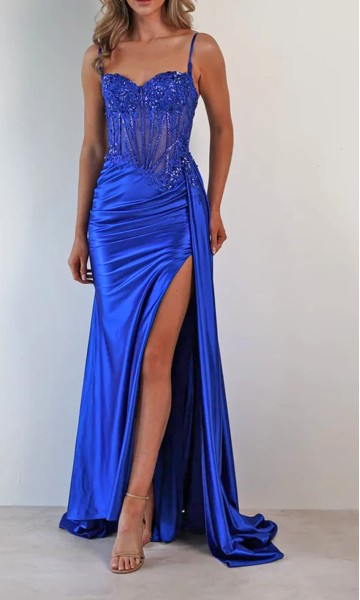
1. Satin – Smooth, Shiny & Elegant
What it looks like:
- Smooth, glossy surface with a soft, elegant sheen
- Reflects light in a subtle, fluid way rather than a harsh shine
- Creates a polished, luxurious appearance that enhances the overall design
- Often appears rich and refined in both photos and real life when high quality
High-quality satin:
- Thick and slightly heavy, giving the dress structure and durability
- Drapes smoothly over the body without clinging awkwardly
- Has a soft, natural shine rather than an overly reflective surface
- Resists wrinkling and maintains its shape throughout wear
- Feels smooth and substantial to the touch, not flimsy
Low-quality satin:
- Very thin and lightweight, lacking structure
- Overly shiny with a plastic-like or artificial appearance
- Wrinkles easily and shows creases prominently
- Clings to the body in unflattering ways
- Can look cheap under natural lighting due to uneven shine
👉 Best for: Formal, fitted, and elegant prom dresses
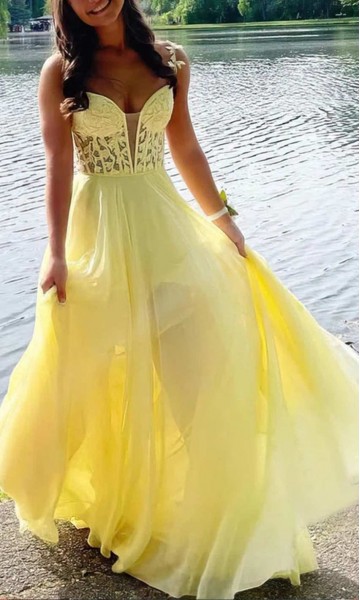
2. Chiffon – Light, Flowy & Romantic
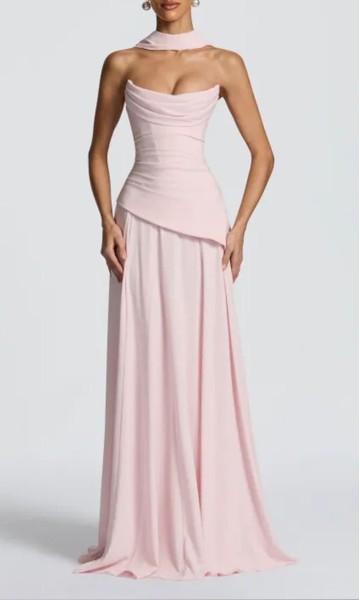
What it looks like:
- Soft, airy, and slightly sheer with a delicate, floating appearance
- Has a light, gauzy texture that creates a romantic and elegant feel
- Moves fluidly with the body, creating graceful motion when you walk
- Often appears slightly translucent, especially in lighter colors
High-quality chiffon:
- Made with multiple layers or includes a full lining for coverage
- Flows smoothly without clinging to the body or creating static
- Has a soft drape that enhances movement without looking limp
- Feels lightweight but not flimsy, maintaining shape while still being airy
Low-quality chiffon:
- Extremely thin and overly transparent, requiring extra layering
- Wrinkles easily and may look crumpled after minimal wear
- Clings awkwardly to the body instead of flowing naturally
- Lacks structure, causing the dress to appear flat or shapeless
👉 Best for: A-line, flowy, and ethereal dresses
3. Tulle – Volume & Princess Effect
What it looks like:
- A fine, net-like fabric made from silk, nylon, or polyester
- Semi-transparent with a slightly crisp texture
- Often used in multiple layers to create volume and dimension
- Can range from soft and airy to structured and sculptural depending on quality
- Commonly used in skirts, overlays, and underskirts to build a dramatic silhouette
High-quality tulle:
- Soft to the touch with a smooth, non-scratchy feel
- Layered strategically to create fullness without excessive bulk
- Holds its shape while still allowing natural movement
- Evenly woven with consistent spacing between fibers
- Blends seamlessly with other fabrics for a polished, elegant finish
Low-quality tulle:
- Feels rough or scratchy against the skin
- Either too stiff (creating an unnatural, bulky shape) or too limp (lacking volume)
- Uneven or loosely woven, making it look flimsy
- Can appear flat or lifeless if not properly layered
- Often looks cheap when used in single layers or without proper structure
👉 Best for: Ball gowns and dramatic silhouettes
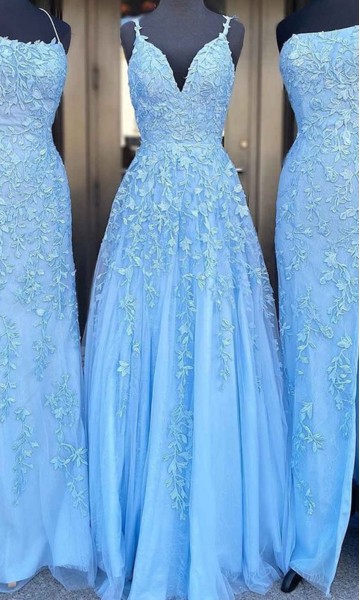
4. Velvet – Rich & Luxurious
What it looks like:
- Deep, soft texture with a plush, almost brushed surface
- Absorbs light rather than reflecting it, creating a rich, matte glow
- Appears darker and more saturated in color due to its dense pile
- Has a subtle directional sheen that changes slightly when brushed or moved
High-quality velvet:
- Thick, dense pile that feels smooth and luxurious to the touch
- Even, consistent texture with no patchy or crushed areas
- Holds its shape well without sagging or stretching out
- Rich color depth that looks elegant under different lighting conditions
- Often lined or backed for added structure and durability
Low-quality velvet:
- Thin, flat surface with little to no pile depth
- Uneven texture that may look patchy or worn
- Lacks softness and can feel rough or synthetic
- Appears dull or faded instead of rich and vibrant
- May crease easily and fail to recover its shape after movement
👉 Best for: Winter prom, elegant evening looks

5. Sequin / Beaded Fabric – Glam & Eye-Catching
What it looks like:
- Sparkly, reflective surface that catches and reflects light from multiple angles
- Often features sequins, beads, or crystals sewn onto a base fabric
- Creates a glamorous, eye-catching effect, especially under evening lighting
- Can vary from subtle shimmer to full-on high-shine depending on density
High-quality:
- Dense, evenly distributed embellishments with no visible gaps
- Sequins or beads are securely stitched, not glued
- Smooth backing or lining that prevents scratching or irritation
- Consistent color and shine across the entire dress
- Flexible enough to move comfortably without pulling or distorting
Low-quality:
- Sparse or unevenly spaced sequins that expose the base fabric
- Loose or poorly attached embellishments that fall off easily
- Rough interior that feels uncomfortable against the skin
- Inconsistent shine or dull patches that look cheap in certain lighting
- Stiff or poorly constructed fabric that restricts movement
- Uneven shine
👉 Best for: Statement dresses

6. Jersey / Stretch Fabric – Comfortable & Body-Hugging
What it looks like:
- Soft and stretchy
- Fits close to the body
High-quality:
- Thick stretch material
- Smooth and supportive
Low-quality:
- Too thin
- Clings awkwardly
- Shows every line
👉 Best for: Bodycon dresses

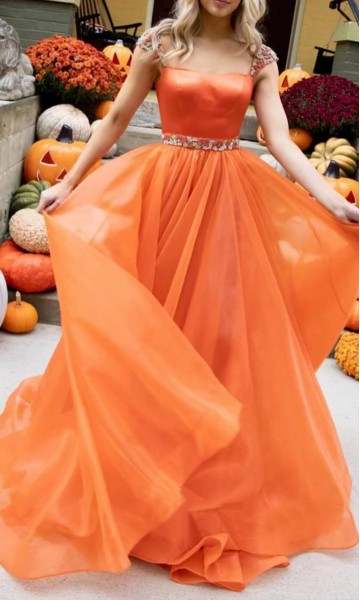
7. Organza – Structured & Lightweight Shine
What it looks like:
- Slightly stiff with a subtle shine
- Holds shape better than chiffon
High-quality:
- Crisp but not stiff
- Layered for structure
Low-quality:
- Too rigid or too thin
- Lacks volume
👉 Best for: Structured, elegant designs
Fabric Comparison Table (High vs Low Quality)
| Fabric Type | High Quality Look | Low Quality Look |
|---|---|---|
| Satin | Smooth, heavy, elegant shine | Thin, overly shiny, wrinkled |
| Chiffon | Flowing, layered, soft | Sheer, clingy, wrinkled |
| Tulle | Full, soft, voluminous | Flat, stiff, scratchy |
| Velvet | Rich, deep texture | Thin, dull, flat |
| Sequin | Dense, secure sparkle | Sparse, uneven, cheap |
| Jersey | Thick, sculpting fit | Thin, clingy, revealing |
How Fabric Affects Fit (More Than Size Does)
Even if you order the correct size, fabric can completely change how the dress looks on you.
Structured fabrics (better fit):
- Hold their shape throughout the day, preventing sagging or stretching
- Provide built-in support, especially around the bust and waist
- Smooth out your silhouette by gently contouring the body
- Create clean lines that make the dress look more polished and tailored
- Help maintain the intended design structure, such as corsets or fitted bodices
- Reduce the appearance of wrinkles and creases
Thin fabrics (riskier):
- Cling closely to the body, which can highlight areas you may not want to emphasize
- Show imperfections such as underwear lines, seams, or uneven shaping
- Lose their structure quickly, especially after sitting or moving
- Wrinkle easily and may look messy after a short time
- Offer little support, making the dress feel less secure
- Can appear see-through or cheap if not properly lined
👉 This is why fabric matters as much as sizing.
Why Fabric Causes the “Looks Different in Real Life” Problem
Fabric behaves very differently in photos vs reality, and understanding this difference is key to avoiding disappointment when shopping online.
In photos:
- Professional lighting is used to enhance shine and smoothness, making fabrics appear richer and more luxurious than they actually are
- Wrinkles, creases, and imperfections are often edited out or minimized during post-production
- Fabric can appear thicker and more structured due to styling techniques like pinning, steaming, or layering
- Models are posed in ways that hide how the fabric naturally falls or moves
- High-resolution cameras and filters can soften texture, making even low-quality materials look premium
In real life:
- Thin fabric tends to wrinkle easily and cling to the body, especially in areas like the waist and hips
- Lack of structure can cause the dress to sag, lose shape, or fit awkwardly without proper support
- Low-quality shine often looks overly reflective or plastic-like under natural lighting
- Fabric movement becomes noticeable—cheap materials may not flow smoothly and can appear stiff or limp
- Without professional styling, the true drape, weight, and texture of the fabric become much more obvious
👉 This is one of the biggest reasons for expectation vs reality disappointment.
How to Identify Good Fabric Online (Step-by-Step)
1. Read the Fabric Description Carefully
1. Read the Fabric Description Carefully
Look for:
- “Double-lined” or “fully lined” (this means there is an extra inner layer that improves structure, prevents transparency, and helps the dress hold its shape better)
- “Heavyweight” or “medium-weight fabric” (indicates thicker material that drapes smoothly and looks more expensive in real life)
- “Structured bodice” or “boning” (suggests built-in support that enhances fit and prevents the dress from looking flat or flimsy)
- Specific fabric details like “polyester satin,” “stretch crepe,” or “layered chiffon” (clear descriptions usually signal better quality and transparency from the seller)
Avoid:
- Vague terms like “soft material,” “premium fabric,” or “high-quality blend” without any specifics (these are often used to hide low-quality materials)
- Listings that don’t mention lining at all (this often means the dress may be thin or see-through)
- Descriptions that focus only on appearance (e.g., “beautiful shine” or “luxury look”) without explaining fabric composition or structure
2. Zoom Into Images
Check:
- Texture: Zoom in closely to see if the fabric appears dense and smooth or thin and flimsy. High-quality fabric usually has a consistent weave and doesn’t look see-through or overly delicate unless it’s meant to be sheer.
- Shine: Observe how the fabric reflects light. A natural, soft sheen (like high-quality satin) looks elegant, while an overly glossy or harsh shine can indicate cheaper, synthetic material that may look plastic-like in real life.
- Wrinkles: Look for signs of creasing or folding in the images. Quality fabrics tend to hold their shape better and show fewer wrinkles, while thin or low-grade materials often crease easily—even in professionally styled photos.
3. Look for Real Customer Photos
This shows:
- True fabric thickness, including whether the material appears substantial or thin under natural lighting
- Real drape, revealing how the fabric falls on different body shapes instead of a posed studio look
- Actual movement, helping you see how the dress flows, stretches, or holds structure when walking or turning
4. Check Reviews for Fabric Comments
Search for keywords that specifically mention fabric feel, thickness, and overall construction quality. Pay attention to both positive and negative wording, as these often reveal the most honest feedback about how the dress looks and feels in real life:
- “thin” – often indicates low-quality or single-layer fabric that may wrinkle easily or lack structure
- “cheap” – suggests poor material, weak stitching, or an overall low-end appearance
- “see-through” – a strong warning sign that the dress may not be properly lined or is made from very lightweight fabric
- “good quality” – usually a positive indicator, especially when paired with details like “thick,” “well-made,” or “feels expensive”
Also look for more descriptive phrases such as “heavy fabric,” “double-lined,” “not see-through,” “holds shape well,” or “feels sturdy,” as these give clearer insight into the actual fabric performance beyond simple ratings.
Pro Tips: Choosing the Right Fabric for Your Body
Want to Look Slimmer?
Choose fabrics that provide structure and support to create a smoother, more flattering silhouette:
- Structured satin: This fabric has a heavier weight and a firm drape, which helps hold the shape of the dress and smooth over the body. It reflects light in a controlled way, giving a polished and elegant appearance without highlighting imperfections.
- Thick stretch fabric: High-quality stretch materials (such as ponte or double-knit blends) offer both flexibility and support. They contour to your body while maintaining structure, helping to create a streamlined look without clinging too tightly.
Avoid fabrics that are too thin or lack structure, as they can emphasize areas you may prefer to smooth out:
- Thin jersey: Lightweight jersey tends to cling closely to the body and can highlight lines, seams, or undergarments. It often lacks the thickness needed to provide a sculpted effect.
- Single-layer chiffon: While chiffon can be beautiful, a single layer is often too sheer and flowy to offer support. It may cling in unwanted areas and can appear less polished without proper lining or layering.
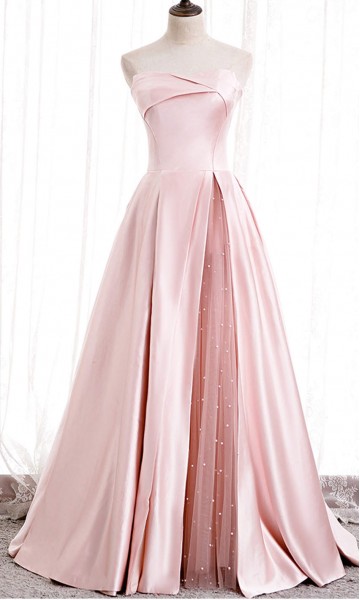
Want a Princess Look?
Choose:
- Layered tulle with multiple soft layers to create volume without stiffness, giving a full princess effect that looks elegant rather than bulky
- Organza with structured layering, which holds its shape beautifully while still feeling lightweight, making it ideal for dramatic silhouettes and defined skirts
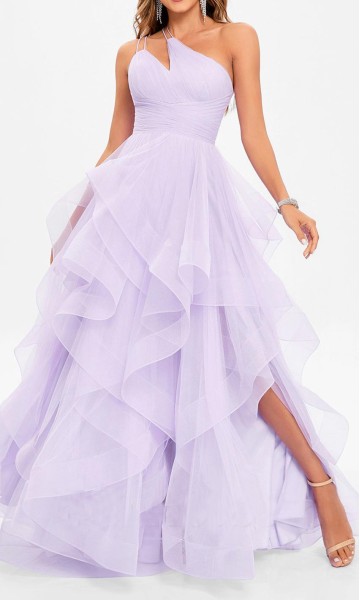
Want Comfort + Movement?
Choose:
- Chiffon – a lightweight, breathable fabric that allows air to circulate, making it ideal for long events like prom. It drapes softly over the body without clinging, giving you freedom of movement and a comfortable, flowy feel throughout the night.
- Stretch fabric – materials like jersey or spandex blends provide flexibility and adapt to your body shape, allowing you to sit, dance, and move easily. High-quality stretch fabrics also offer gentle support while maintaining comfort without feeling restrictive.
🚫 Fabric Red Flags to Avoid
- ❌ No fabric description
- ❌ Only one photo angle
- ❌ Overly shiny material
- ❌ No mention of lining
- ❌ Extremely low price for complex design
✅ Fabric Green Flags
- ✔ Clear fabric composition
- ✔ Mention of lining
- ✔ Multiple detailed images
- ✔ Real-life photos
- ✔ Descriptions of structure
How This Connects to Your Prom Dress Decision
If you understand fabric, you can:
- Avoid cheap-looking dresses
- Predict how a dress will look in real life
- Choose styles that flatter your body
- Shop online with confidence
👉 Fabric knowledge turns you from guessing… into shopping like an expert
FAQ: Prom Dress Fabrics
Satin, velvet, and structured fabrics typically look the most luxurious.
Because thin or low-quality fabric affects shine, structure, and fit.
No—high-quality polyester can look great if it’s thick and well-constructed.
Chiffon and stretch fabrics are the most comfortable and breathable.
Final Thoughts: Fabric = The Real Secret to a Beautiful Prom Dress
Design gets your attention—but fabric determines the final result.
When you understand how fabric behaves, you gain the ability to predict exactly how a dress will look, feel, and move in real life—not just in photos.
- Texture affects how light reflects off the dress, influencing whether it looks smooth and luxurious or flat and cheap
- Weight determines how the fabric drapes on your body, whether it flows elegantly or clings awkwardly
- Structure controls how well the dress holds its shape, supports your figure, and maintains a polished silhouette throughout the night
By paying attention to these details, you can avoid common online shopping mistakes and confidently choose a dress that not only looks beautiful on screen, but also delivers the same stunning effect in real life.ine.
Ready to Shop Smarter?
Explore prom dresses 2026 made with high-quality fabrics that look beautiful beyond the photos.
👉 Visit Happyprom.co.uk and find a dress that truly delivers in real life.
Related Post:
Why Do Online Prom Dresses Look Different from Photos? (2026 Real Truth)
How to Tell If an Online Prom Dress Is Good Quality (Before You Buy)
Your Prom Dress Arrived and It Looks Nothing Like the Photo — Now What?
