
Shopping for a prom dress online can be exciting—but also risky. Without touching the fabric or trying it on, how can you tell if a dress is actually good quality?
The truth is, most low-quality dresses reveal warning signs—you just need to know where to look.
This guide will show you exactly how to spot a high-quality prom dress online, avoid cheap-looking pieces, and confidently choose a dress that looks stunning in real life.
Quick Answer
How can you tell if a prom dress is good quality online?
Check the fabric details, look for real customer photos, zoom in on stitching and seams, verify sizing information, and avoid listings with vague descriptions or overly edited images.
Why Prom Dress Quality Matters More Than You Think
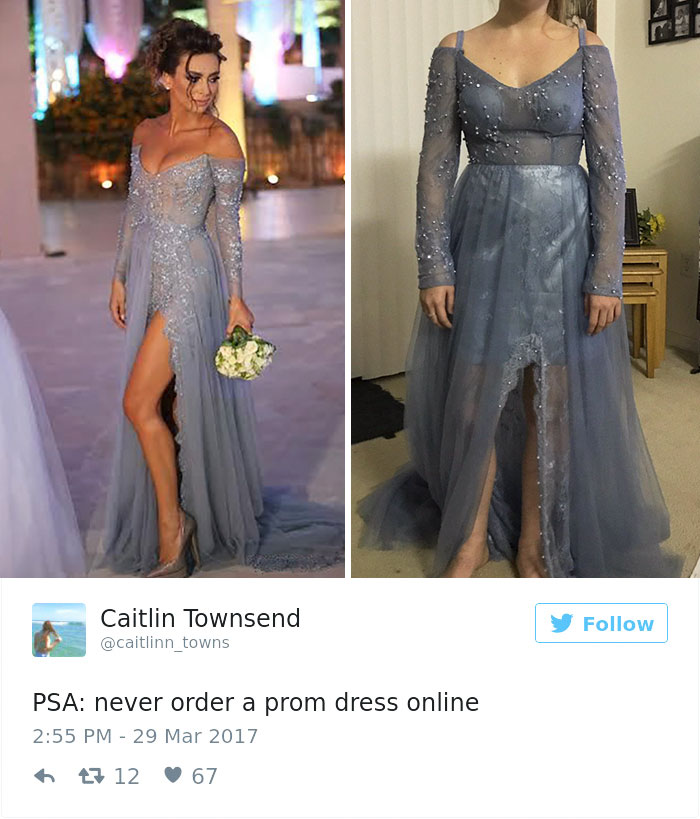
A dress can look amazing online—but poor quality will show in real life through:
- Wrinkled or thin fabric that lacks weight and drapes poorly, often appearing see-through or easily creased even when new
- Poor structure and fit, including sagging areas, lack of support in the bodice, or a silhouette that doesn’t hold its intended shape
- Uneven seams, loose threads, or visible stitching errors that indicate rushed or low-quality construction
- Cheap-looking shine or dull, flat color that doesn’t reflect light naturally and can make the dress appear less luxurious in person
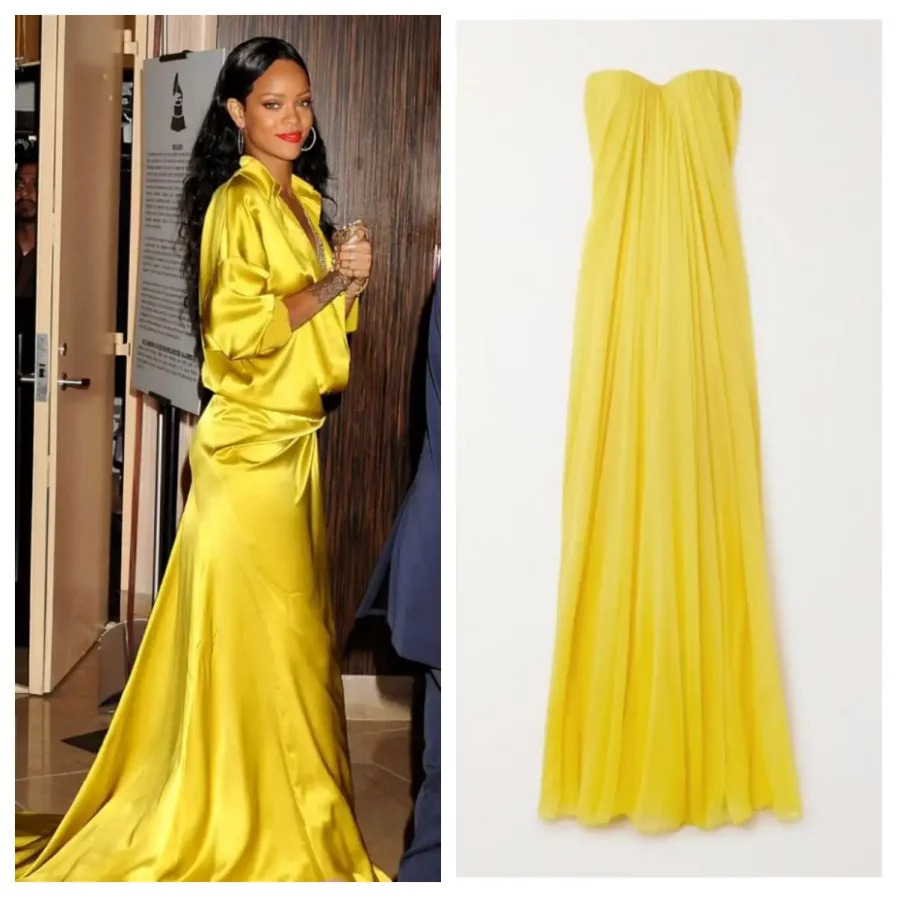
👉 This is often why dresses look completely different from the photos.
10 Ways to Tell If an Online Prom Dress Is Good Quality
1. Check the Fabric Composition (Not Just the Name)
Don’t trust vague labels like:
- “Satin”
- “Chiffon”
- “Tulle”
Instead, look for specific materials:
- Polyester satin vs silk satin
- Layered chiffon vs single-layer
- Stretch blends vs rigid fabric
What to look for:
- “Double-lined” – This means the dress has an extra inner layer of fabric, which improves structure, prevents transparency, and helps the dress hold its shape better throughout the night. It also adds comfort and durability.
- “Thick fabric” – Indicates a higher-quality material that won’t cling awkwardly or wrinkle easily. Thicker fabrics tend to drape more elegantly and give the dress a more expensive, polished appearance.
- “Structured bodice” – Refers to built-in support in the upper part of the dress, often including boning, padding, or reinforced seams. This helps the dress maintain its shape, enhances your silhouette, and reduces the need for additional undergarments.
👉 Higher-quality dresses clearly explain their fabric. Continue to read: Lace vs. Chiffon: The Ultimate 2026 Bridesmaid Fabric Guide
2. Zoom In on Product Images
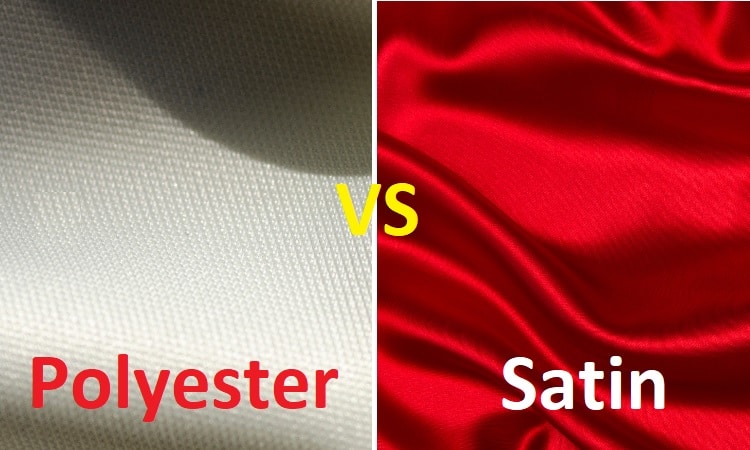
High-quality listings allow you to see details.
Look closely at:
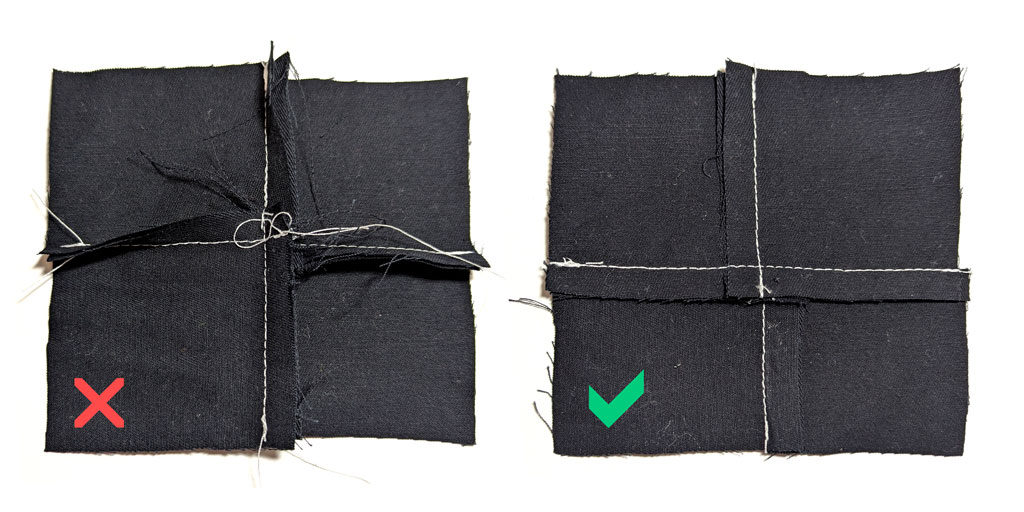
- Seams (are they straight and clean?)
- Fabric texture (smooth vs thin/shiny plastic look)
- Edges and hems (finished vs raw)
👉 If images are blurry or limited, that’s a red flag.
3. Look for Real Customer Photos
This is one of the most powerful indicators.
Customer photos show:
- Real lighting conditions, including indoor, outdoor, and evening settings, which give you a much more accurate idea of how the dress will actually look outside of a studio environment
- Actual fit on different body types, helping you understand how the dress drapes, stretches, or structures itself on real people rather than professionally styled models
- True color representation, revealing how the shade appears without heavy editing, filters, or enhanced brightness that can distort the original tone
👉 If a product has no real-life images, be cautious.

4. Read Reviews Strategically
Don’t just check the rating—read carefully.
Look for comments about:
- Fabric thickness
- Fit accuracy
- Color differences
- Overall quality
👉 Keywords like “cheap,” “thin,” “see-through” are warning signs.

5. Check if the Dress Is Fully Lined
Lining = quality—and it’s one of the easiest ways to tell whether a prom dress will look polished or cheap in real life.
A lined dress includes an extra inner layer of fabric that sits against your skin, supporting the outer material. This added layer improves both the appearance and the feel of the dress, especially under different lighting conditions.
Benefits of lining:
- Better structure: Lining helps the dress hold its shape, preventing it from looking limp or wrinkled. Structured dresses photograph and wear much better throughout the night.
- More flattering fit: A lined dress smooths out your silhouette, reducing visible lines and creating a cleaner, more tailored look.
- No transparency: Thin or light-colored fabrics can become see-through under bright lights or flash photography. Lining prevents this issue completely.
- Higher comfort: The inner layer feels softer against your skin and reduces irritation, especially with fabrics like tulle, lace, or sequins.
- Improved durability: Lined dresses tend to last longer because the outer fabric is supported and less prone to stretching or tearing.
👉 Unlined dresses often look cheaper in real life.
6. Analyze the Fit Description
Good listings explain how the dress fits in detail, helping you understand how it will sit on your body without trying it on.
Look for:
- “Bodycon fit” (tight and form-fitting, usually requires precise sizing)
- “A-line fit” (fitted at the top and flares out, more forgiving on hips)
- “Relaxed fit” (looser silhouette, more comfortable but less structured)
- “True to size” (matches standard sizing charts)
- “Runs small” or “runs large” (indicates you may need to size up or down)
- Notes about stretch (e.g., “slight stretch,” “no stretch”) which affect comfort and fit
- Model measurements and the size they are wearing for reference
The more detailed the fit description, the more confident you can be in how the dress will actually look and feel when you wear it.
👉 Vague sizing = higher risk of disappointment.
7. Watch for Overly Edited Photos
If the dress looks:
- Too smooth, with no visible texture or fabric grain
- Too shiny in a way that looks artificial rather than natural
- Too perfect, with flawless draping and zero imperfections
…it probably is.
Signs of heavy editing:
- No wrinkles, folds, or natural fabric movement anywhere on the dress
- Lighting that looks overly bright, glowing, or inconsistent with real environments
- Skin tones and background colors that appear overly filtered or unnatural
- Identical poses across multiple images, suggesting stock or reused photos
- Edges of the dress that look blurred or overly softened (a sign of digital smoothing)
- Fabric that appears “painted on” rather than realistically layered or structured
8. Compare Price vs Design Complexity
If a dress has:
- Heavy beading (hand-applied embellishments, sequins, or intricate embroidery that require time and skilled labor)
- Corset structure (boning, built-in cups, reinforced seams, and shaping panels that provide support and contouring)
- Multiple layers (such as layered tulle, chiffon overlays, lining, and underlayers for volume and opacity)
…but is very cheap… it likely means corners have been cut somewhere—either in fabric quality, construction, or finishing details.
👉 That’s a major red flag.
High-detail dresses require higher production costs.
9. Check Return & Refund Policies
Even with research, things can go wrong.
A good store will offer:
- A clearly written return policy that explains time limits, conditions (unworn, tags attached), and whether refunds or store credit are provided
- Easy exchange options, including size swaps or style changes, with simple instructions and minimal hassle
- Transparent terms that outline shipping costs, restocking fees (if any), and who covers return shipping
- Clear timelines for processing returns and issuing refunds so you know exactly what to expect
- Accessible customer support (email, chat, or phone) to help resolve any issues quickly
👉 No return policy = high risk.
10. Research the Store Itself
Before buying, check:
- Website credibility (look for a professional design, secure HTTPS connection, clear contact information, and consistent branding across pages)
- Customer service availability (ensure there are multiple contact options such as email, live chat, or phone, and test responsiveness if possible)
- Product consistency (browse multiple listings to see if quality, descriptions, and images are consistent across the site, not just one standout item)
- Customer reviews across platforms (check third-party sites like Trustpilot or Google Reviews to verify real customer experiences)
- Social media presence (active accounts with real engagement can indicate a legitimate and trustworthy brand)
👉 Trusted stores prioritize accuracy, not just aesthetics.
🚫 Red Flags That Signal a Low-Quality Prom Dress
Avoid dresses with:
- ❌ Only 1–2 images
- ❌ No zoom or detail shots
- ❌ No reviews or customer photos
- ❌ Vague fabric descriptions
- ❌ Unrealistically low prices
- ❌ No return policy
✅ Green Flags of a High-Quality Prom Dress
Look for:
- ✔ Detailed fabric descriptions
- ✔ Multiple high-resolution images
- ✔ Real customer photos
- ✔ Clear sizing guidance
- ✔ Structured design details
- ✔ Transparent policies
How to Avoid Buying a Cheap-Looking Prom Dress
If you’ve read our guide on why prom dresses look different from photos, you’ll know:
👉 Quality is one of the biggest reasons.
Low-quality dresses:
- Reflect light poorly, often appearing dull, overly shiny, or uneven under natural lighting due to thin or synthetic fabrics
- Lose shape quickly because of weak construction, lack of lining, or minimal internal support like boning or structured seams
- Fit awkwardly on the body, with issues such as gaping, pulling, or bunching caused by poor pattern cutting and inconsistent sizing
High-quality dresses:
- Hold their structure thanks to better fabric weight, proper lining, and reinforced construction that maintains the intended silhouette
- Fit more naturally and comfortably, with thoughtful tailoring that follows body contours and allows for smoother movement
- Look much closer to the photos because they use higher-grade materials and accurate production techniques that replicate the design shown online
Final Checklist Before You Buy (Save This)
Before buying any prom dress online:
- ✔ Check fabric composition
- ✔ Zoom into details
- ✔ Look for real photos
- ✔ Read reviews carefully
- ✔ Compare price vs design
- ✔ Confirm return policy
FAQ: Prom Dress Quality Online
Check fabric details, reviews, images, and whether the dress is lined and well-structured.
Not always—but they usually use better materials and construction.
Because they often use thinner fabric, less structure, and lower production standards.
Tailoring can improve fit, but it cannot fix poor fabric or construction.
Final Thoughts: Buy Smarter, Not Just Cheaper
A beautiful prom dress isn’t just about how it looks online—it’s about how it looks on you, in real life.
When you know how to evaluate:
- Fabric — including thickness, layering, stretch, and whether it holds its shape or wrinkles easily
- Fit — how the dress is designed to sit on the body, whether it requires tailoring, and how it complements different body proportions
- Construction — stitching quality, seam alignment, lining, boning, and overall structure that determines durability and appearance
You move beyond guesswork and start making informed decisions based on real indicators of quality—so the dress you choose not only looks good online, but also performs beautifully in real life.
Want to understand why photos and reality diverge in the first place? See Why Do Online Prom Dresses Look Different from Photos?. And if a dress still doesn’t match despite your checks, here’s exactly what to do.
Ready to Shop With Confidence?
Browse high-quality prom dresses 2026 designed to match their photos, with real fabrics, real structure, and real fit.
👉 Discover your perfect dress at Happyprom.co.uk today.
Related Post:
