

You’ve found the dress. It’s gorgeous, it’s the perfect color, and you can already picture yourself walking into prom feeling like royalty. But here’s the reality check that every prom-goer needs to hear: buying the dress is just the first step. The truth is, most dresses need alterations to achieve that red-carpet-ready, custom fit you’re dreaming of.
How Much Do Prom Dress Alterations Actually Cost?
Whether your prom dress is slightly too long, a bit loose in the bodice, or needs the straps adjusted, alterations are typically necessary to make your dress truly yours. But here’s where things get tricky—alteration costs can vary dramatically. You might pay as little as £20 for a simple fix, or you could end up spending several hundred dollars for complex work on an intricately designed gown.
The goal of this guide is simple: to help you understand exactly what you’re paying for. We’ll break down the most common types of prom dress alterations, explain the factors that influence pricing, and share practical tips for keeping costs manageable without sacrificing that perfect fit.
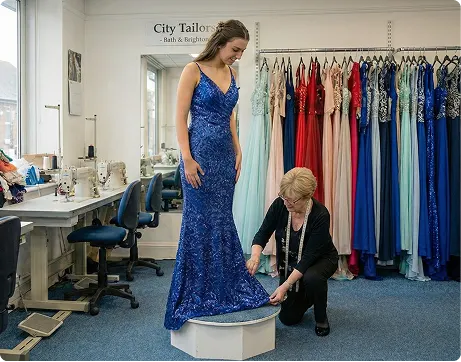
Prom Dress Alterations Price Breakdown by Type
Disclaimer: The prices listed below are average ranges based on typical market rates. Actual costs will vary depending on your geographic location, the tailor’s experience level, and the specific construction of your dress. Always get a written quote before committing to alterations.
Common Alterations and Their Typical Cost Ranges:
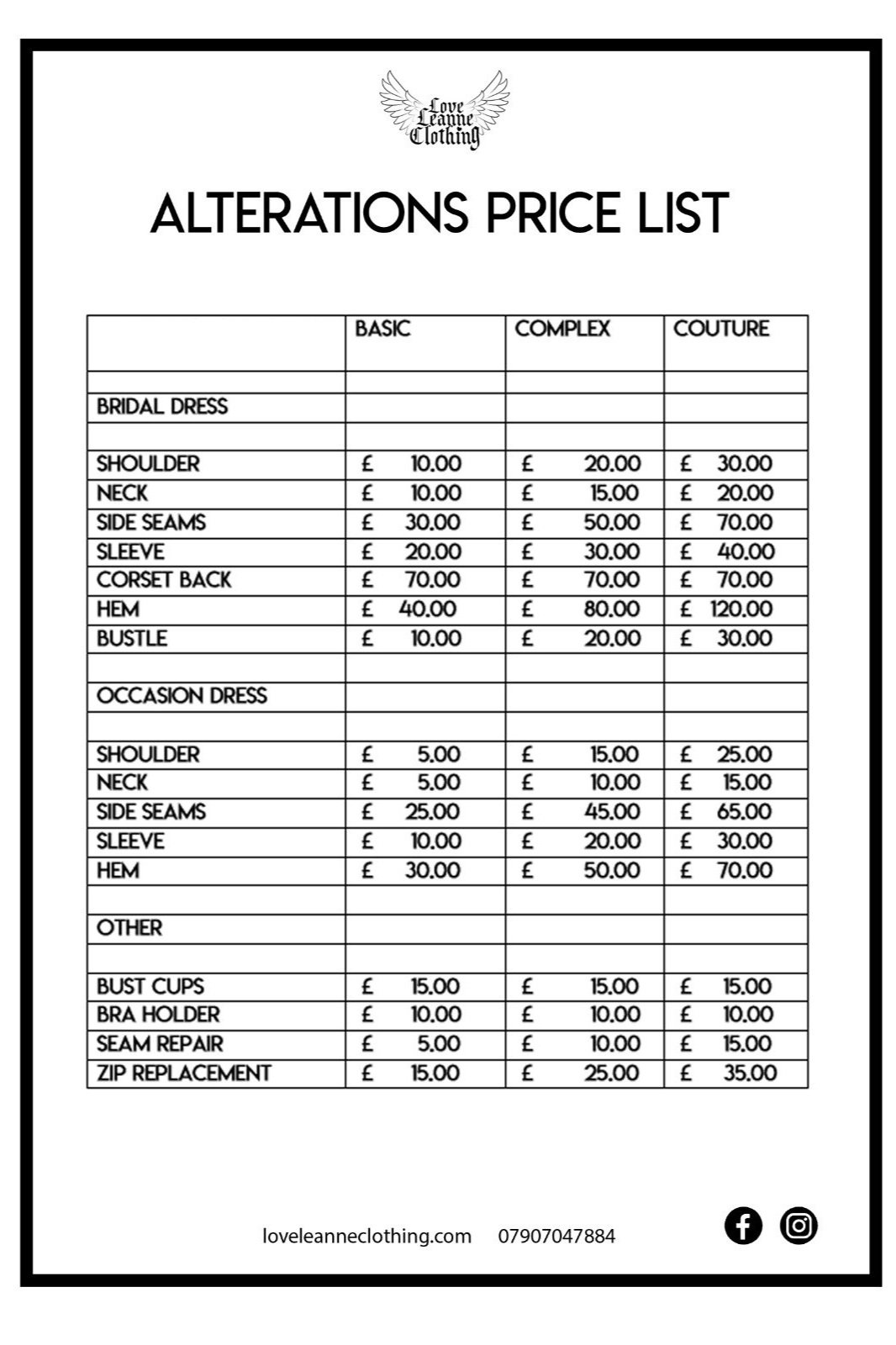
- Hemming (shortening the length): £30–£100
- Simple, single-layer hem: £30–£50
- Multi-layer or beaded hem: £60–£100+
- Taking in the sides or back: £20–£75
- Basic seam adjustment: £20–£40
- Structured bodice with boning or corsetry: £50–£75+
- Adjusting or shortening straps: £10–£30
- Bustle addition (for train): £30–£75
- Adding a bra cup or padding: £15–£40
- Taking in or letting out the bust area: £25–£60
- Complex alterations:
- Adding a corset back: £75–£150
- Changing the neckline: £60–£120
- Removing or adding sleeves: £40–£100
- Major reconstruction work: £150–£300+
Typical Total Alteration Cost: Most prom-goers should budget between £75 and £200 for standard alterations (hemming plus one or two fit adjustments). However, if your dress requires extensive work or has complex embellishments, costs can easily exceed £250–£400.
5 Factors That Affect Prom Dress Alteration Costs
Ever wonder why your friend paid £50 for alterations while you’re looking at a £200 bill? Here’s the inside scoop on what makes some alterations significantly more expensive than others.
Fabric Type and Complexity
Not all fabrics are created equal when it comes to alterations. Delicate materials like lace, chiffon, tulle, and silk require special handling, precision, and often hand-sewing techniques that take considerably more time than working with standard fabrics. Heavily beaded or sequined materials are particularly challenging because the tailor must work carefully around embellishments to avoid damage.
Additionally, dresses with multiple layers multiply the work required. A simple hem on a single-layer dress might take 30 minutes, but a multi-layer ballgown with tulle, lining, and an outer fabric layer requires the tailor to hem each layer separately—tripling both the time and the cost.
Dress Construction and Embellishments
The way your dress is built has a huge impact on alteration complexity. Structured bodices with boning, built-in corsets, or intricate seam work require careful deconstruction and reconstruction. The tailor can’t just run a quick seam—they need to take apart the existing structure, make adjustments, and rebuild it so the dress maintains its shape and support.
Embellishments add another layer of complexity. If your dress has beading, sequins, or appliques along a seam that needs to be altered, the tailor must first carefully remove these decorations, make the alteration, and then painstakingly reattach each bead or sequin by hand. This detailed work can add hours to the project and significantly increase your bill.
Tailor Experience and Specialization
Not all tailors charge the same rates, and for good reason. A highly experienced seamstress who specializes in formal wear and bridal gowns brings expertise that a general tailor at your local dry cleaner simply may not have. This specialization comes at a premium, but it also means your dress is in the hands of someone who understands the unique challenges of working with formal gowns.
Geographic Location and Demand
Geographic location matters too. Alteration services in major metropolitan areas like New York, Los Angeles, or Chicago typically cost 30–50% more than in smaller towns or rural areas, simply due to higher operating costs and demand. Similarly, boutique shops where you purchased your dress often charge more than independent tailors, partly because they’re providing convenient on-site service and partly because of their upscale positioning.
Rush Fees:
Planning ahead is one of the easiest ways to save money. Rush alterations can add £20–£100 or more to your bill, so booking your appointment early eliminates this unnecessary expense.
How to Save Money on Prom Dress Alterations (Without Compromising Quality)
Alterations are necessary, but that doesn’t mean you can’t be strategic about managing costs. Here are proven ways to keep your alteration bill reasonable without compromising on fit or quality.
Buy the Right Size from the Start:
This is perhaps the single most important cost-saving tip. It is almost always easier and cheaper to take a dress in (make it smaller) than to let it out (make it larger). Many formal dresses have very limited seam allowance, meaning there’s literally not enough extra fabric to make the dress bigger. If you’re between sizes, always size up. The cost of taking in a dress will typically be less than dealing with a too-small dress that requires creative (read: expensive) solutions.
Prioritize Essential Alterations Only
The more you try to fundamentally redesign your dress, the more you’ll pay. Adding a corset back, changing the neckline, or removing and adding sleeves are essentially reconstruction projects. While these changes are certainly possible, they’re costly. Focus your alterations on achieving the perfect fit—adjusting length, taking in the sides or bodice, and fixing straps. These essential fit alterations will give you 90% of the improvement for a fraction of the cost of design changes.
Get Multiple Quotes from Local Tailors
Don’t just go with the first tailor you find. Shop around and get written estimates from at least two or three reputable tailors in your area. Prices can vary significantly, and you might discover that an independent seamstress charges considerably less than the boutique where you bought your dress. Just make sure you’re comparing apples to apples—a very low quote might indicate less experience or lower quality work.
Consider Hem Length Carefully
If your dress has an elaborate beaded or embellished border at the bottom, hemming can be particularly expensive because the tailor needs to remove and reattach these details. If you’re comfortable wearing slightly lower heels or even flats, you might be able to keep the hem longer and avoid this costly alteration entirely. Just make sure you try on the dress with your actual shoes to confirm the length works.
When to Get Your Prom Dress Altered: The Perfect Timeline
Timing is everything when it comes to prom dress alterations. Procrastination will cost you—literally.
Don’t Wait Until the Last Minute: 6-8 Weeks Before Prom: Ideal Planning Window
Tailors and seamstresses experience extreme demand during prom and wedding season, which typically runs from February through May. During these peak months, good tailors can book out weeks in advance. If you wait too long, you might struggle to find anyone who can fit you in, or you’ll be forced to pay expensive rush fees.
The Recommended Timeline: 4-6 Weeks Before: Standard Timeline
As a general rule, book your first fitting appointment 4–6 weeks before prom. This gives the tailor adequate time to complete the work without rushing, allows time for a second fitting if needed, and gives you a buffer in case any issues arise. If your dress requires extensive alterations or you’re working with a particularly busy tailor, consider starting even earlier—8 weeks out is not unreasonable for complex work.
Beware of Rush Fees: Less Than 2 Weeks: Rush Territory
If you find yourself needing alterations completed in less than two weeks, expect to pay a rush fee. These fees typically range from £20 to £100 or more, depending on the complexity of the work and how quickly you need it done. Some tailors may refuse to take rush jobs during peak season, leaving you with limited options. The simple solution? Don’t wait until the last minute.
What to Bring to Your Prom Dress Fitting Appointment
Showing up prepared to your alteration appointment ensures you get the most accurate fit possible. Here’s what you absolutely need to bring:
The Exact Shoes You’ll Wear on Prom Night:
This is non-negotiable. The heel height of your shoes directly affects where your hem should fall. Even a half-inch difference in heel height can make your dress too long or too short. Wear the actual shoes you plan to wear on prom night, not “similar” shoes. If you haven’t purchased your shoes yet, buy them before your first fitting.
The Exact Undergarments:
The foundation garments you wear affect how your dress fits, particularly in the bust and hip areas. Bring the specific bra, shapewear, or Spanx you plan to wear under your dress. If you’re wearing a strapless bra for prom, don’t wear a regular bra to your fitting—the fit will be completely different.
A Trusted Friend or Parent:
Bring someone whose opinion you trust and who will give you honest feedback. They can help assess the fit from all angles, take photos so you can see how the dress looks from behind, and provide a second opinion on whether the length and fit are right. Just don’t bring an entourage—most fitting rooms are small, and too many opinions can be overwhelming.
Your Phone or Camera:
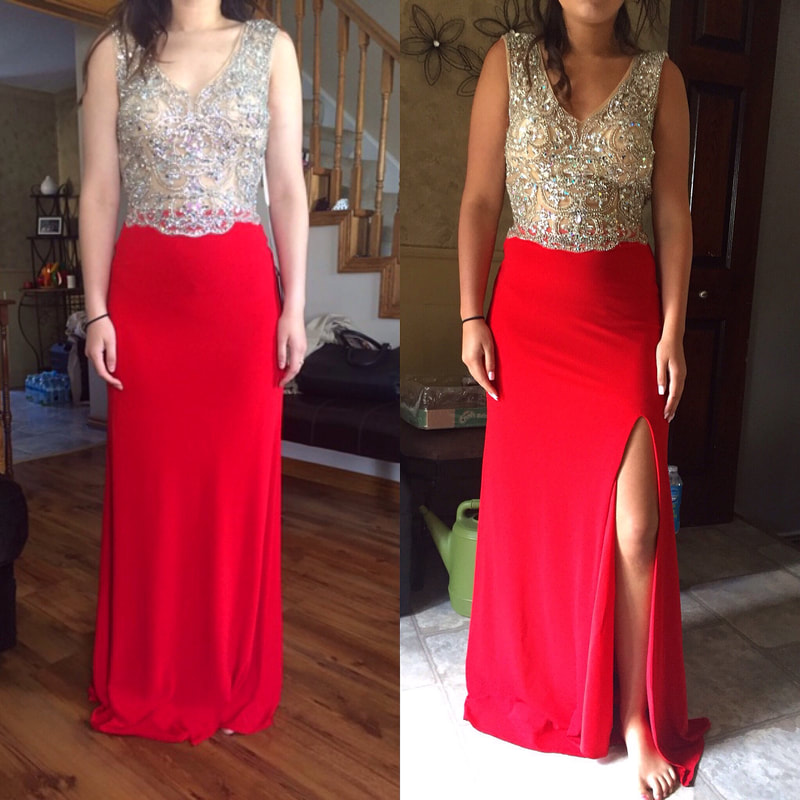
Take photos during your fitting so you can review the before and after when you’re not in the excitement of the moment. This can also help if you need to reference the fit during a second appointment.
Alterations aren’t just an optional extra—they’re an essential investment in achieving that perfect, custom fit that will make you feel confident and comfortable on one of the most memorable nights of your high school experience. Very few people can wear a formal gown straight off the rack without any adjustments, so building alteration costs into your prom budget from the beginning is simply smart planning.
Is Altering a Prom Dress Worth the Cost?
Remember, the key to managing prom dress alteration costs is starting early, choosing your alterations wisely, and working with a reputable tailor who specializes in formal wear. While it might be tempting to cut corners or wait until the last minute, neither approach will save you money in the long run—and could leave you with a dress that doesn’t fit properly for the big night.
Your Action Plan: Don’t wait another day to start planning your alterations. Book your first fitting appointment now for 4–6 weeks before prom, and budget £75–£200 (or more for complex work) to ensure your dress fits like it was made just for you. Your future self, standing confidently at prom in a dress that fits perfectly, will thank you for the planning you did today.
To avoid alteration fee, you can order a custom-tailor prom dress from Happyprom.co.uk. The dress will make for you with your own size measurement, your favorite color, you special detail request, all these will make the dress fit you like gloves.
Frequently Asked Questions
Q1: How much does it typically cost to alter a prom dress?
A: Most prom dress alterations cost between £75-£200 for standard alterations like hemming and taking in the bodice. Simple adjustments (hemming a single-layer dress) may cost as little as £30-£50, while complex work involving beading, multiple layers, or major reconstruction can run £250-£400 or more.
Q2: How long before prom should I get my dress altered?
A: Book your first fitting appointment 4-6 weeks before prom. This gives your tailor adequate time to complete the work without rushing and allows for a second fitting if needed. For complex alterations or during peak prom season (March-May), schedule 6-8 weeks in advance.
Q3: What’s the most expensive type of prom dress alteration?
A: Major reconstruction work like adding a corset back (£75-£150), changing the neckline (£60-£120), or complete redesigns (£150-£300+) are the costliest alterations. Hemming heavily beaded or multi-layer dresses can also be expensive at £60-£100+ due to the intricate work required.
Q4: Is it cheaper to take in or let out a prom dress?
A: Taking in a dress (making it smaller) is almost always cheaper and easier than letting it out. Many formal dresses have limited seam allowance, meaning there isn’t enough fabric to make them larger. Always buy a size up if you’re between sizes.
Q5: Can I alter my own prom dress to save money?
A: While simple hems on basic fabrics might be DIY-friendly if you have sewing experience, most prom dress alterations require professional expertise. Working with delicate fabrics, beading, structured bodices, or multiple layers can easily go wrong, potentially costing more to fix than hiring a professional from the start.
Q6: Do I need to tip my prom dress tailor?
A: Tipping isn’t required but is appreciated for exceptional service. A 15-20% tip on the alteration cost is standard if your tailor went above and beyond, completed rush work, or achieved perfect results on a challenging dress.
Q7: What if my prom dress doesn’t fit properly after alterations?
A: Reputable tailors typically offer adjustment guarantees and will fix any fit issues at no additional charge if you return within a reasonable timeframe. Always schedule your final fitting at least 1-2 weeks before prom to allow time for any necessary tweaks.
Q8: How much does it cost to hem a prom dress?
A: Hemming costs vary based on complexity: simple single-layer hems cost £30-£50, while multi-layer or beaded hems run £60-£100 or more. The number of layers, embellishments, and fabric type all affect the final price.
Q9: Should I get my dress altered where I bought it or find an independent tailor?
A: Both options work, but independent tailors often charge 20-40% less than boutique alteration services. Get quotes from both to compare. Ensure any independent tailor specializes in formal wear and has experience with prom or wedding dresses.
Q10: What should I bring to my prom dress alteration appointment?
A: Bring the exact shoes you’ll wear on prom night, the specific undergarments (strapless bra, shapewear), and a trusted friend or parent for honest feedback. The heel height and foundation garments directly affect how your dress should be altered.
Related Post:
