
Finding the perfect homecoming dress isn’t just about the style—it’s about the fit.
You can have the most beautiful dress in the world, but if it doesn’t fit right, it won’t look or feel the way you want. On the other hand, a well-fitted dress can instantly boost your confidence and make everything look more polished.
In this guide, you’ll learn exactly how to choose a homecoming dress that fits perfectly—without stress, guesswork, or last-minute surprises.
Why Fit Matters More Than Style
It’s easy to focus on trends, colors, or fabrics—but fit is what truly makes a dress work.
A good fit:
- Enhances your natural shape without feeling tight
- Allows you to move, sit, and dance comfortably
- Prevents constant adjusting throughout the night
If you’ve ever worn something that looked great but felt uncomfortable, you already know how important this is.
👉 If you’re still deciding on your overall look, check our guide on what to wear to homecoming to start with the right style direction.

Step 1: Know Your Exact Measurements
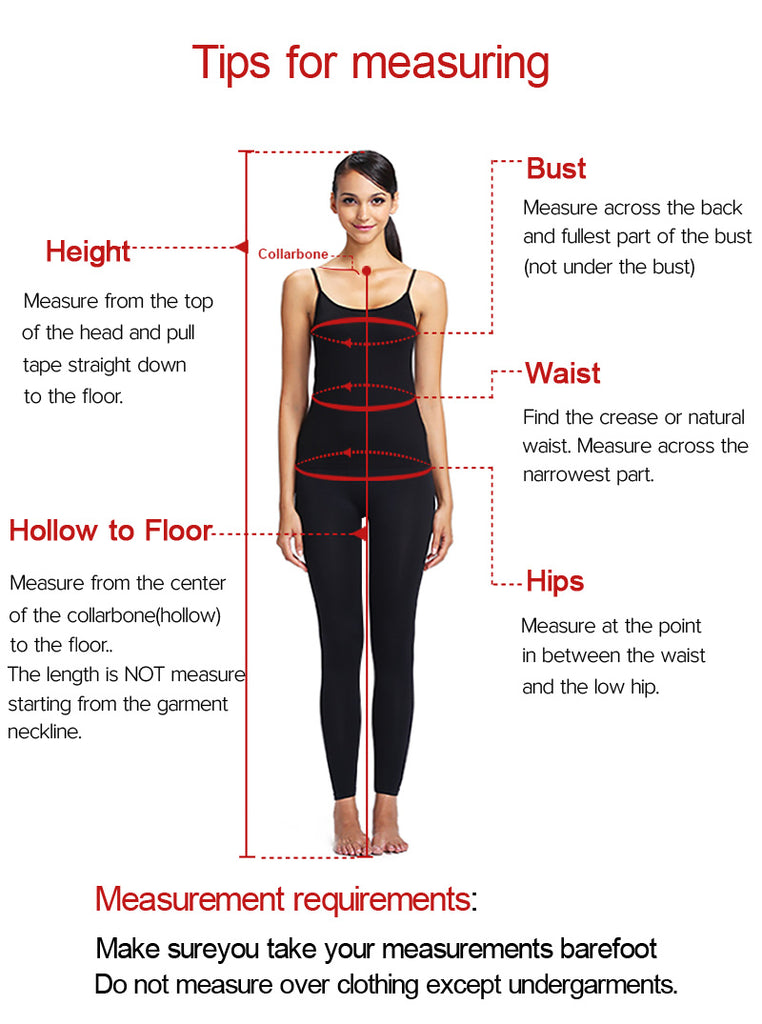
Before you buy anything, take your measurements. This is the foundation of finding the right fit—especially when shopping online.
Measure These 3 Key Areas:
- Bust — Around the fullest part of your chest
- Waist — The narrowest part of your torso
- Hips — The widest part of your hips
Use a soft measuring tape and keep it snug, but not tight.
👉 Compare your measurements with the brand’s size chart—don’t rely on your usual size, since sizing can vary a lot.
[Continue to read: How to Measure Yourself for Right Fitting Homecoming Dress]
Step 2: Choose a Dress That Matches Your Body Shape
Not every dress fits every body type the same way—and that’s completely normal.
The key is choosing styles that naturally work with your proportions.
Examples:
- A-line dresses — Flattering for most body types because they define the waist and flow outward
- Bodycon dresses — Best if you want a more fitted, curve-hugging look
- Empire waist — Great if you prefer a looser fit around the waist
👉 For more detailed recommendations, explore best homecoming dresses for your body type.
Step 3: Pay Attention to Fabric & Stretch
Fabric plays a huge role in how a dress fits and feels, and understanding how different materials behave can help you choose a size more accurately.
Stretchy Fabrics (More Flexible Fit)
- Jersey
- Stretch satin
- Spandex blends
These fabrics contain elastic fibers that allow the dress to stretch and move with your body. This means they can accommodate slight differences in measurements without feeling restrictive. For example, if your bust or hips fall between two sizes, a stretchy fabric can often adapt without creating tightness or pulling.
Stretchy materials also tend to be more comfortable for long events like homecoming because they allow easier movement when sitting, walking, or dancing. However, keep in mind that while they are forgiving, they can also highlight body contours more closely, so the fit should still feel supportive rather than loose or overly tight.

Structured Fabrics (More Precise Fit)
- Tulle
- Organza
- Non-stretch satin
These require more accurate sizing because they don’t stretch much.
Choosing the right fabric can make a big difference in both comfort and appearance.
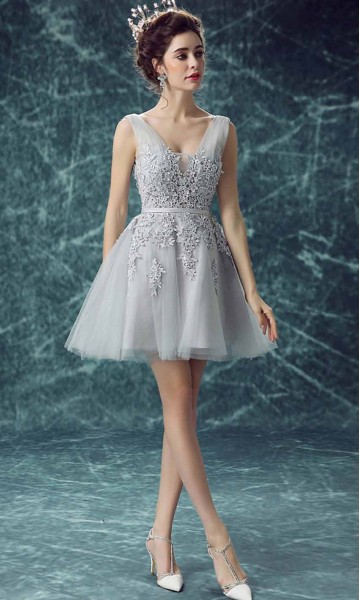
Step 4: Check the Dress Length
Length affects both fit and comfort more than most people expect.
- Too long → You’ll step on it or need alterations
- Too short → You may feel uncomfortable sitting or moving
Make sure to:
- Check the model’s height (if shopping online)
- Read product descriptions carefully
- Consider heels when thinking about length
👉 Not sure which length works best? Read can you wear a long dress to homecoming for guidance. Check out our short homecoming dresses collection to find the perfect length now.
Step 5: Try It On (or Simulate It)
If possible, always try your dress on before the event.
When trying it:
- Sit down
- Walk around
- Raise your arms
- Dance a little
This helps you catch any issues early—like tight areas or slipping straps.
If you’re ordering online, consider ordering early so you have time to exchange or adjust.
Step 6: Plan for Minor Alterations
Even the best dress might need small adjustments—and that’s completely normal. In fact, most formal dresses are designed with the expectation that they’ll be tailored slightly to achieve the best possible fit.
What Alterations Usually Involve
Minor alterations are typically quick and affordable, especially if you plan ahead. Common adjustments include:
- Shortening the hem — Ensures the dress hits the right length, especially if you’re wearing heels
- Adjusting straps — Helps the dress sit properly on your shoulders without slipping
- Taking in the waist or bust — Creates a more tailored, flattering silhouette
- Fixing loose areas — Smooths out any extra fabric for a cleaner look
When to Schedule Alterations
Try to get your dress altered 1–2 weeks before homecoming. This gives enough time for adjustments without feeling rushed.
If possible:
- Bring the shoes you plan to wear
- Wear the undergarments you’ll use for the event
- Move around during the fitting to test comfort
Why Alterations Matter
Even a small tweak can make a big difference. A properly tailored dress will:
- Fit your body more naturally
- Stay in place throughout the night
- Look more polished in photos
A simple alteration can turn a “good” fit into a perfect one.
Common Fit Mistakes to Avoid
Avoid these mistakes to save yourself time and frustration:
- Choosing the Wrong Size on Purpose
Some people size down hoping for a tighter look—but this often leads to discomfort and visible pulling. - Ignoring the Size Chart
Every brand is different. Always check measurements instead of guessing. - Waiting Until the Last Minute
Ordering too late leaves no time for exchanges or tailoring, which can be stressful. - Prioritizing Looks Over Comfort
If you can’t move comfortably, it will affect your entire experience.
Learn more in homecoming dress code explained to balance style and comfort.
Quick Fit Checklist Before Homecoming
Before your event, ask yourself:
- Does it fit comfortably without squeezing?
- Can I sit, walk, and dance easily?
- Does it stay in place without constant adjusting?
- Do I feel confident wearing it?
If the answer is yes—you’re ready.
Real-Life Fit Examples
Here’s what a “good fit” looks like in practice:
- A dress that hugs your waist but isn’t restrictive
- Straps that stay in place without slipping
- A hemline that allows easy movement
- Fabric that lays smoothly without pulling
These small details make a big difference in how your outfit looks overall.
FAQ: Homecoming Dress Fit
It should feel fitted but not restrictive. You should be able to move comfortably without the fabric pulling or digging in.
It’s usually better to size up and tailor the dress slightly rather than choosing a size that’s too tight.
Yes—most dresses can be altered, especially for length and fit adjustments.
Ideally 3–4 weeks before homecoming. This gives you time for exchanges or minor alterations.
Final Thoughts
Choosing a homecoming dress that fits perfectly isn’t complicated—but it does take a little planning.
Focus on: Accurate measurements; The right fabric; A comfortable, flattering fit.
When everything fits the way it should, you won’t have to think about your dress—you’ll just enjoy the night. And that’s exactly how it should be.
