
A destination wedding in a tropical or coastal setting is breathtakingly romantic — but choosing bridesmaid dresses for the heat and humidity requires more thought than a simple color match. The right fabric, silhouette, and color can mean the difference between your bridal party glowing in the sea breeze and wilting before the first dance.
Planning a destination wedding somewhere tropical or humid? Then your bridesmaid dress choices are not just about style—they’re about comfort, fabric science, and smart planning.
Why Humid Climate Changes Everything
Humidity affects:
- Fabric breathability
- Sweat visibility
- Comfort during long ceremonies
- Dress structure and cling
👉 In high humidity, the wrong dress can quickly become:
- Sticky
- Wrinkled
- See-through
- Uncomfortable
Your goal: Finding lightweight, breathable, forgiving styles bridesmaid dresses that still photograph beautifully.
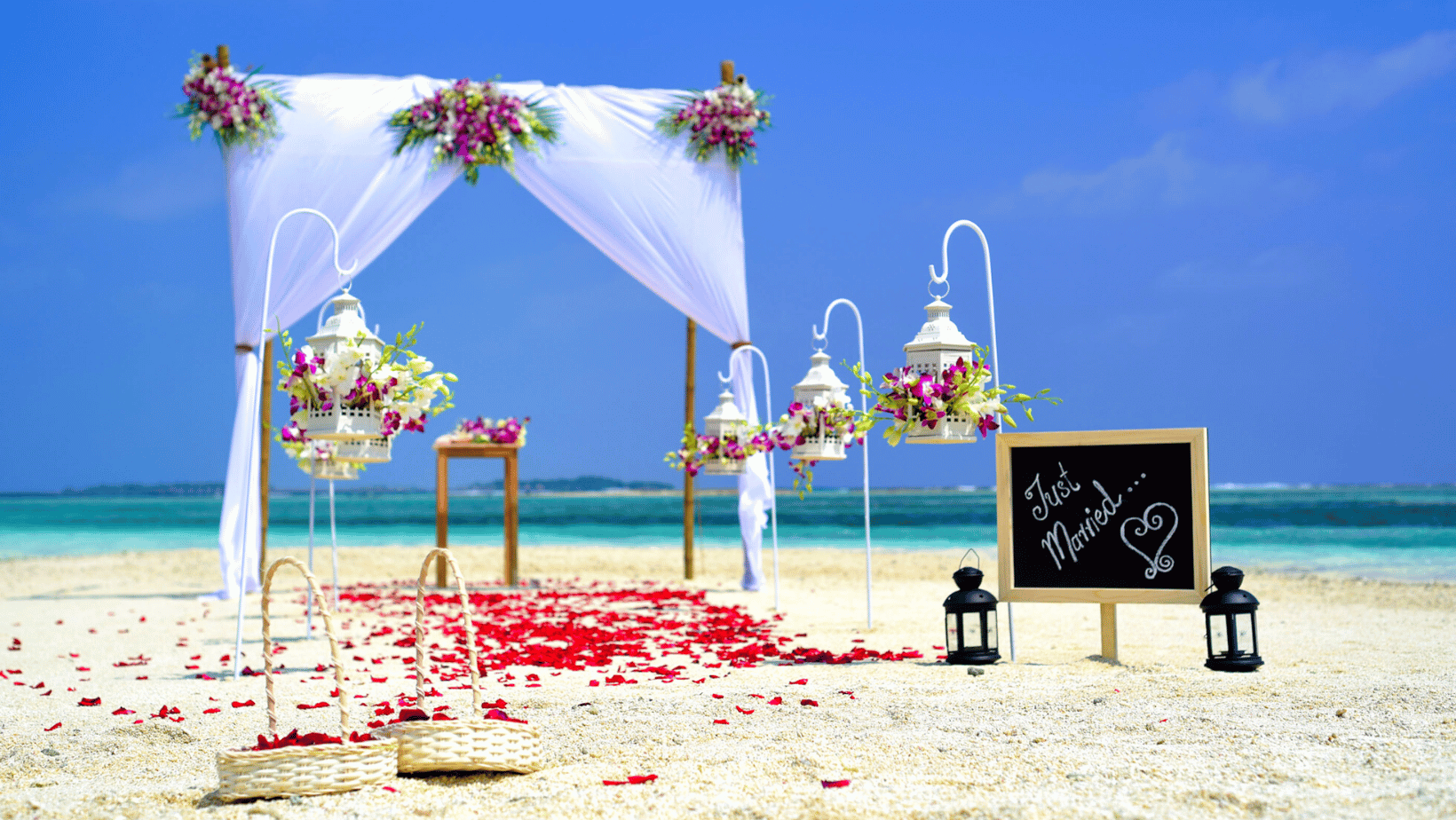
Best Fabrics for Humid Weather Bridesmaid Dresses
Fabric is Everything. In a humid environment, fabric choice is the single most important decision you’ll make. Heavy, synthetic materials trap heat and moisture, causing discomfort, visible sweat, and creasing. Breathable, natural, and semi-natural fibers are your best allies.
- Chiffon (Top Recommendation)
Lightweight and airy, chiffon flows beautifully in an ocean breeze and doesn’t cling when humid.
Why it works:- Extremely breathable
- Flowy → doesn’t cling to sweat
- Elegant in motion (perfect for beach photos)
- Best for: Beach weddings, garden venues, tropical resorts
- Classic Line
Highly breathable and naturally moisture-wicking. Embrace the relaxed texture — it suits tropical settings perfectly. - Chiffon-Lined Satin: Hybrid
Gets you the sheen of satin with airflow. A smart compromise for more formal destination affairs. - Rayon / Viscose: Budget-Friendly
Drapes well and breathes better than most synthetics. Look for loose-weave versions for maximum airflow. - Tulle (Light & Airy Volume)
Why it works:- Lightweight layers allow airflow
- Adds volume without heaviness
- Avoid: Overly structured or stiff tulle (can trap heat)
- Lightweight Satin (Use Carefully)
Choose thin, matte satin over heavy glossy satin.- Pros: Luxurious look, great for evening weddings
- Cons: Shows sweat easily; Can cling in humidity
Fabrics to Avoid in Humidity
- Thick polyester
- Heavy velvet
- Structured jacquard
- Non-breathable blends
The Right Bridesmaid Dress Silhouette for the Heat
Beyond fabric, how a dress is constructed determines how hot it will feel. Structure and coverage add warmth, so lean toward open, flowing shapes.
- Flowy maxi or midi lengths – Full-length chiffon skirts catch the breeze and actually feel cooler than bare legs exposed to direct sun.
- Open backs and V-necks – Strategic cutouts allow heat to escape from the body’s natural ventilation points.
- Sleeveless or thin spaghetti straps – Avoid sleeves unless they’re sheer and billowy; even short sleeves trap significant heat.
- Slip-style or bias-cut – Minimal structure means no boning, lining, or padding trapping body heat.
- High-low hems – Allow freedom of movement on uneven terrain like beach sand or cobblestone.
- Avoid: fitted bodices with heavy boning – These act like a thermal layer and make dancing extremely uncomfortable.
Pro Tip: Consider the “Mix & Match” Approach
Let each bridesmaid choose a silhouette that suits her body and comfort level in the same fabric and color family. A jumpsuit, a midi dress, and a maxi can look cohesive and stunning — and each person stays comfortable their own way.
Best Colors for Humid Weather Weddings
Tropical and coastal light is dramatically different from a church or ballroom. The intense natural light washes out pastels and makes deep jewel tones look incredibly vibrant and saturated. Think carefully about how your chosen palette will photograph and read on warm skin tones in bright sunshine.
Colors that thrive in humid, sun-drenched settings:
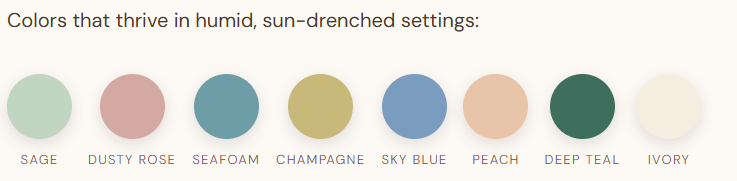
Avoid stark white (it reads washed-out in tropical sun and shows perspiration instantly) and very dark colors like black or navy — they absorb heat and can be visually heavy against a bright landscape. Terracotta, coral, and warm earth tones have become perennial favorites for this setting, offering richness without heaviness.
Practical Details That Matter
Even a beautiful, well-chosen dress can become a liability if you haven’t considered the logistical realities of a destination wedding.
- Wrinkle resistance— Chiffon recovers well from being folded in a suitcase. Linen does not. Ask bridesmaids to hang dresses in a steamy bathroom upon arrival at the hotel if needed.
- Footwear compatibility— Floor-length hems on sand can be disastrous. Consider hems that hit just above ankle, or plan for a bustle option.
- Sweat-proof undergarments— Recommend seamless, moisture-wicking shapewear or adhesive bras. Alert bridesmaids early so they can source these before travel.
- Dress length on the beach— If the ceremony is on sand, knee-to-midi lengths make walking and posing much easier. Save the maxi drama for the reception venue.
- Sun protection— If the ceremony is outdoors midday, consider a sheer cover-up or wrap option that can be removed for photos.
- Open backs or low backs – ventilation.
- Sleeveless or thin straps – less heat retention ventilation.
- Built-in lining (lightweight) – prevents transparency.
The Humidity Test
Before finalizing your choice, have one bridesmaid wear the dress sample for a few hours on a warm, humid day — even going for a walk or doing light activity. If she’s uncomfortable after an hour, the whole party will be miserable after six hours of dancing. Real-world testing beats showroom impressions every time.
Shopping Smart for Destination Styles
Not every bridal boutique will stock humidity-appropriate options, so knowing where to look saves time and stress.
- Shop early— Destination weddings require dresses that travel well, which narrows the field. Start looking 8–10 months out, especially if ordering custom or international sizes.
- Order swatches first— Online fabric samples let you feel the weight and drape before committing a full party to a dress no one has touched in person.
- Consider brands known for occasion wear— Labels like Reformation, Show Me Your Mumu, Jenny Yoo, and Amsale regularly design with warm-climate wearability in mind.
- Budget for alterations— A dress that fits perfectly needs far fewer adjustments than one fighting against the body. In heat, fit matters even more.
- Leave room in the budget for emergency shipping— Destination weddings mean potential customs delays. Always plan for a backup dress option or speedy local alterations at the venue location.
“The best bridesmaid dress is the one she’ll actually want to wear again — and the one she’ll be smiling in at 11pm on the dance floor.”
The Destination Bride’s Motto
Best Dress Styles for Hot & Humid Destinations
1. Flowy Chiffon A-Line Dresses
Breathable + flattering: Allows airflow, universally flattering and hides sweat patches.
Perfect for beach ceremonies, works for all body types.
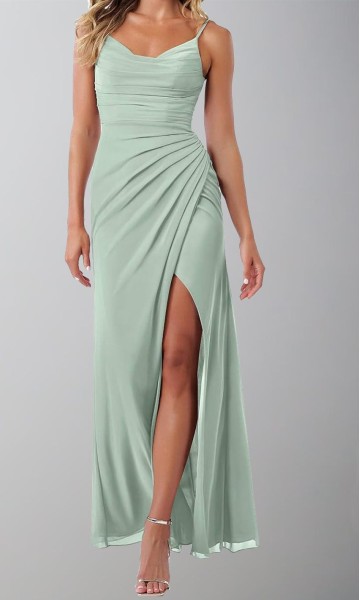
2. Minimal Slip Dresses (Minimalist Chic)
Sleek + modern: They are lightweight and modern aesthetic. Best for evening tropical weddings, choose matte, thin satin.

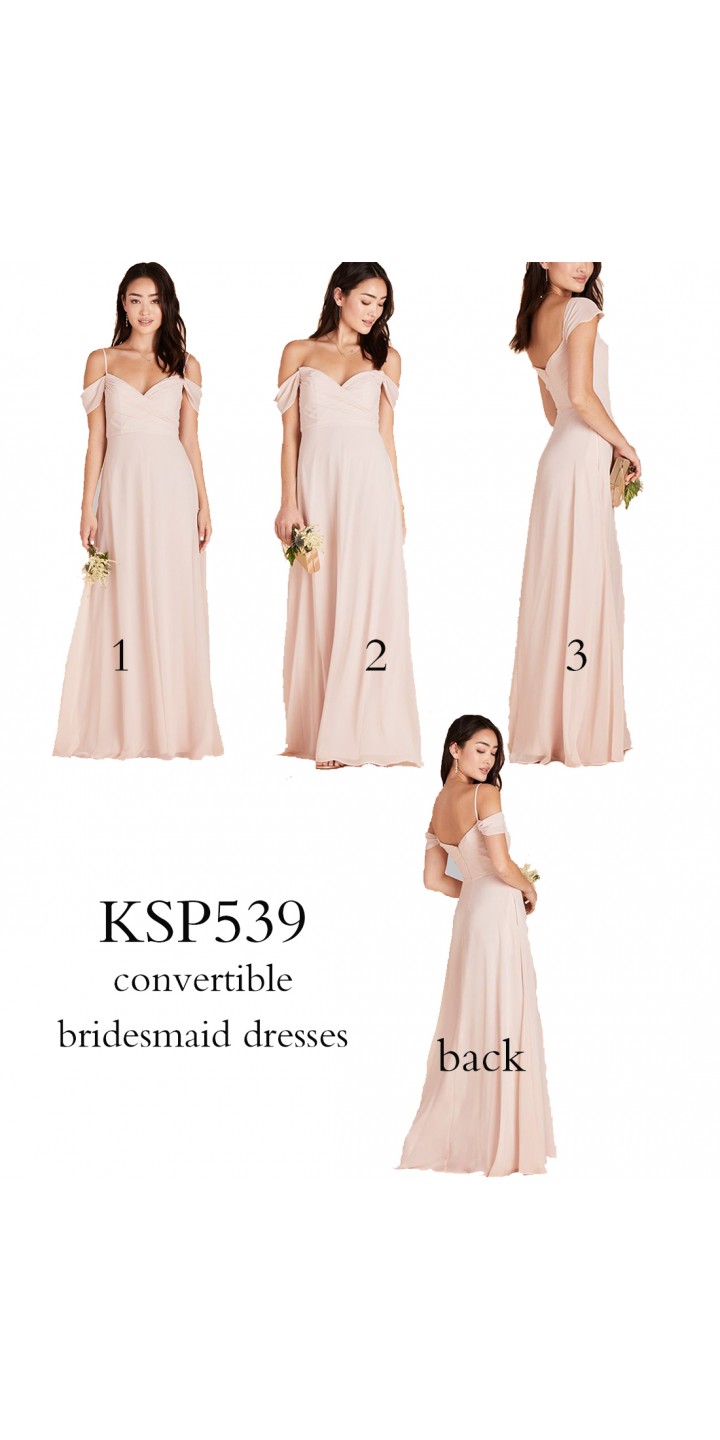
3. Convertible / Multiway Dresses
One dress, multiple styles: Travel-friendly and flexible, ideal for mixed bridesmaid preferences.
Travel-Friendly Bridesmaid Dress Tips
Destination weddings = packing stress.
Choose dresses that:
- Don’t wrinkle easily
- Can be folded compactly
- Don’t require heavy steaming
- Are easy to alter locally
Pro tip: Chiffon is your BEST friend here.
Frequently Asked Questions About Bridesmaid Dresses Humid Climate
Heavy satin is best avoided — it traps heat, clings when damp, and shows perspiration easily. If you love the look of satin, opt for a chiffon-lined satin blend or a lightweight charmeuse, which drapes more softly and breathes better. Keeping the silhouette loose also helps significantly.
For a ceremony directly on the sand, midi lengths (hitting mid-calf) or tea-length styles are the most practical. Floor-length hems drag in sand and make walking difficult. If you have your heart set on a maxi, consider having a shorter version for the ceremony and a full-length skirt overlay for the reception.
Linen does wrinkle, but this has become part of its charm for destination and boho-style weddings — a relaxed, lived-in look that suits tropical settings beautifully. To minimize creasing during travel, roll dresses instead of folding them, and hang them in a steam-filled bathroom on arrival. A linen-cotton blend wrinkles less than pure linen while retaining the breathability.
Beyond the dress itself, a few extras make a big difference: provide handheld fans, ensure hair and makeup appointments account for humidity (waterproof everything), offer a shaded waiting area before the ceremony, and time your outdoor portion for the cooler hours — early morning or late afternoon. Cooling mist sprays and blotting papers in bridesmaid emergency kits are always appreciated.
Mix-and-match is actually ideal for destination weddings. It allows each bridesmaid to choose a silhouette suited to her body and comfort level — whether that’s a flowy maxi, a breezy midi, or a sleek jumpsuit. Anchor the look with a shared fabric (like chiffon) and a consistent color family, and the group will look cohesive while each person stays comfortable throughout the day.
Tropical light is intense and directional, which washes out very pale pastels and makes mid-tone and earthy colors shine. Sage green, dusty rose, terracotta, warm champagne, and soft teal all perform exceptionally well. Avoid stark white (washes out and shows sweat) and very dark shades like black or deep navy — they absorb heat and can look heavy against a bright sky or lush greenery backdrop.
Continue to read:
