
Quick answer: Identify your body shape first — pear, apple, hourglass, rectangle, or inverted triangle — then look for the specific silhouette, neckline, or fabric within your bridal party’s chosen color and style that works with your shape, not against it. Most modern bridesmaid dresses collections offer several silhouettes in the same color specifically so each bridesmaid can find her best fit.
Shopping for a bridesmaid dress is different from shopping for yourself. You’re usually working within a color the bride has chosen, sometimes a specific style, and always alongside a group of other bridesmaids whose bodies may look completely different from yours. The good news: knowing your body shape still helps enormously, even with less freedom to choose.
How to Identify Your Body Shape
Compare the width of your shoulders, bust, waist, and hips:
| Shape | Shoulders/Bust vs. Hips | Waist Definition |
|---|---|---|
| Pear | Hips wider than shoulders/bust | Defined |
| Apple | Similar, or shoulders slightly wider | Less defined |
| Hourglass | Balanced shoulders and hips | Very defined |
| Rectangle | Similar measurements throughout | Minimal |
| Inverted Triangle | Shoulders/bust wider than hips | Defined |
What to Look For, by Shape
Bridesmaid Dress for Pear Body Shape:
A-line and empire-waist silhouettes balance proportions beautifully — they skim over the hips rather than clinging. If your bridal party’s dress has any embellishment or detail, one positioned at the neckline or bodice draws the eye upward.
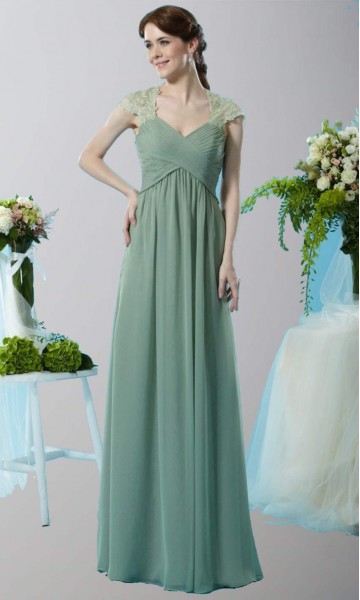
Bridesmaid Dresses for Apple Bodies:
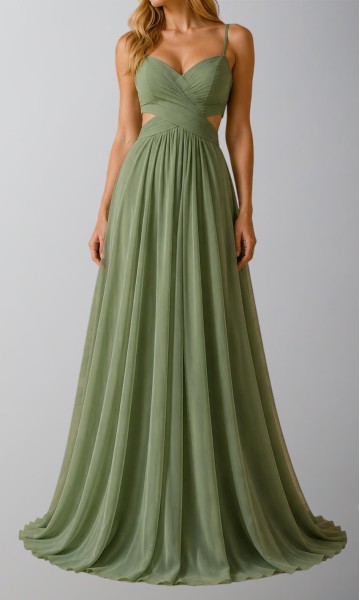
Empire waist and wrap-style bridesmaid dresses are especially flattering, since they create definition without needing a fitted waistband. Flowing fabrics (chiffon, soft satin) move better than stiff, structured ones.

Dresses for Hourglass Shaped Bodies:
You have the most flexibility of any shape — fitted and wrap styles both celebrate a defined waist. If your bridal party’s dress is a fit-and-flare or mermaid style, this is genuinely the easiest shape to wear it well.

Bridal Party Dresses for Rectangle Figure:
Ruching, a fitted bodice, or a dress with some structure at the waist helps create curves that aren’t naturally there. Ball-gown-style bridesmaid skirts (if your palette includes one) add volume that works well here too.
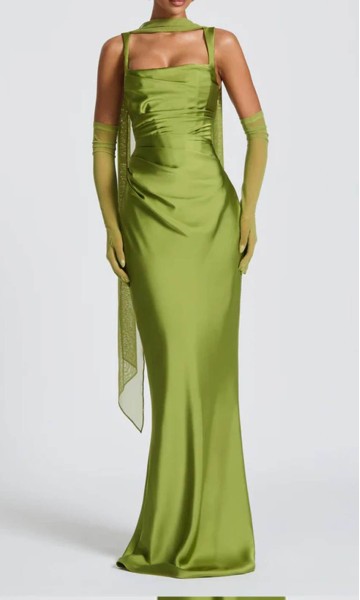
Bridesmaids Dress for Inverted Triangle:
A-line skirts balance a fuller bust or shoulders by adding volume below the waist. If the group dress has straps or sleeves, look for softer, less structured versions rather than anything with shoulder padding or stiff cap sleeves.
When You Don’t Get to Choose the Silhouette
Sometimes the bride has picked one specific dress for everyone. If that style isn’t naturally suited to your shape:
- Ask about mix-and-match. Many modern bridal parties let each bridesmaid choose her own silhouette within one shared color — worth raising gently with the bride if it hasn’t been offered. See the Bridesmaid Dresses Guide for the full breakdown of matching vs. mix-and-match approaches.
- Lean on alterations. A skilled seamstress can adjust darts, add or remove structure, and shift how a dress sits on your specific shape — often more than people expect. See Bridesmaid Dress Alterations: Who Pays and How Much Do They Cost?
- Focus on what you can control. Undergarments, shapewear, and how you accessorize can meaningfully shift how a dress sits, even when the silhouette itself is fixed.
Shop Bridesmaid Dress by Body Shape FAQ
Talk to her directly and kindly — most brides want their bridesmaids to feel confident, not just matching. If changing the style isn’t possible, alterations and the right undergarments can make a real difference.
Some styles (like A-line) are genuinely flattering across most shapes, which is why they’re so popular for bridal parties. Others (fitted mermaid styles, for example) work better for some shapes than others — worth flagging to the bride early if the whole party has very different body types.
Always the dress’s own size chart, not your usual size — sizing varies significantly between brands and even between styles from the same brand.
Yes, the same principles apply — the difference is just how much choice you have within the constraint of matching your bridal party.
You may also interested in:
