
Executive Summary
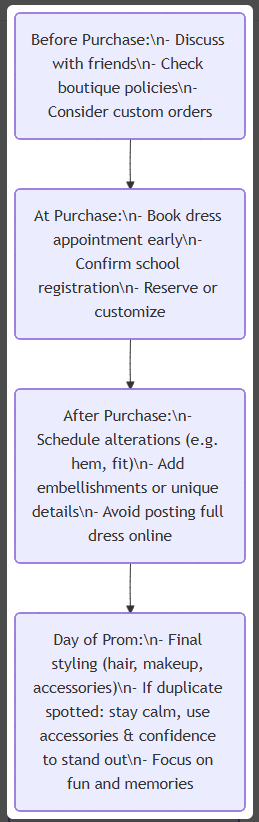
- Plan early and coordinate. Before shopping, discuss dress ideas with friends and check if local boutiques track purchases by school. Many smaller prom shops register dresses to one school1 or even lock a style exclusively2.
- Choose unique or custom options. Consider non-traditional styles (jumpsuits, separates) or bespoke dresses. A custom-made gown guarantees a one-of-a-kind look3, though it costs more and needs weeks of lead time.
- Utilize alterations and accessories. Add personal touches like belts, sleeves, or embroidery. UK seamstresses charge roughly £30–£80 for common alterations (hems, taking in sides, straps)4,5, transforming a standard dress into a unique outfit.
- Handle etiquette gracefully. It’s generally seen as rude to demand exclusivity. Instead, focus on styling. For example, complimenting a dress twin or joking “we have great taste!” shows maturity6. Emphasise confidence and personal flair through hair, makeup, and jewelry7.
Featured Snippet Answers
- How can I avoid someone wearing the same prom dress? Plan ahead: shop at boutiques that limit duplicate sales or register dresses by school1,2. Communicate with friends (share dress ideas in a group chat) to prevent overlap. Consider unique styles or custom designs – a bespoke gown is truly one-of-a-kind3.
- Is it rude to ask someone not to wear the same dress? Generally yes, unless you’re very close. Etiquette experts warn that asking someone to change “can come across as entitled”8. A kinder approach is to focus on differentiating your own look (e.g. adding accessories, changing hairstyle) or coordinating colors/styles with friends instead8,6.

Before You Buy: Planning & Coordination
- Before shopping, talk with friends and family. Create a group chat to share dress choices and avoid clashes.
- Check if your school or venue has prom dress guidelines (some UK schools have colour themes or modesty rules).
- Research stores early: independent boutiques often have limited stock and may ask for your school name to track purchases1. For example, Proms & Beyond uses an exclusivity registry: once a dress is chosen it’s “locked to her school” so “no other girl from the same school can buy it”2.
- If you find a gown you love online or at a large retailer, act fast or consider another unique option in case others buy the same.
- Shopping off-season (months ahead or very last-minute clearance) can also mean less competition for popular styles.
At Purchase: Store & Vendor Strategies
When buying, ask about store policies. Some UK prom boutiques explicitly limit one dress per school9. If the shop has a registry, ensure your name and school are noted with the dress code/style. An appointment-only boutique might register your dress on the spot2. Alternatively, consider stores with small batches of each design – “smaller boutiques typically carry limited quantities of each dress” for greater uniqueness1.
If a duplicate dress is impossible to avoid (e.g. sale stock or a friend insists on it), you have options at the till:
- Swap or reserve. Some shops allow exchanges or holds. If you discover a classmate picked your dress, politely ask if you can swap for a different colour or style.
- Custom order or pre-order. Many UK retailers (including Happyprom) offer made-to-order colors, details. For a small fee, you might custom-dye a dress or add bespoke trims, making it distinct before it’s even made.
- Choose alternatives. Remember, prom attire isn’t limited to gowns. Consider suits, tuxes, jumpsuits, or separates which inherently reduce duplication. For example, one girl suggested wearing a glittery waistcoat with velvet flares and Docs – a look no one could copy10.
After Purchase: Personalize with Alterations
Once you’ve got the dress, make it uniquely yours. A skilled tailor can perform standard alterations (hemming, taking in seams, strap adjustments) for modest sums (often £30–£60 each)4,5. You can also add personal touches: sew on a belt, swap clasps, or attach a corsage.
For bigger changes, consider:
- Custom panels or sleeves. Adding a lace or contrasting fabric to the neckline/back can dramatically change the look.
- Embellishments. Sparkly beads, floral appliqués or embroidery make a mass-produced dress unique. Many seamstresses do small embroidery work (£5–£15 per motif)11.
- Accessory upgrades. Try a statement necklace, patterned shawl, or a colored bolero. These don’t alter the dress itself but change your silhouette.
- Different underlayers. Swap a beige slip for a black or metallic lining to alter the drape.
For example, one UK prom guide advises turning a standard gown “into a one-of-a-kind” by changing the back design or adding lace sleeves12. Remember to budget for alterations: full restyling can run into the low hundreds (£100–£200) depending on complexity. Always book your seamstress 4–6 weeks before prom (some require even longer for heavy work13).
Internal link: See our [Alterations Guide]14 for typical tailoring costs and timelines.
Day of Prom: What to Do If It Actually Happens
Even with the best planning, you might still run into someone wearing your exact dress. Here’s how to handle it in the moment.
Stay calm and confident. Your first reaction matters most. How you wear the dress is just as important as the dress itself — your confidence, personality, and styling will differentiate you far more than the dress alone.
Embrace it with humor. Some of the best prom memories come from unexpected moments like this. Approach your “dress twin,” laugh about it together, and take a photo side by side. It shows maturity and turns an awkward moment into a fun story.
Make a few quick styling adjustments:
- Add or remove a statement necklace or bold earrings
- Wrap a decorative belt or sash around your waist
- Drape a shawl, bolero, or wrap over your shoulders
- Pin your hair up if it was down, or let it down if it was up — small hairstyle changes make a real visual difference
- Add a bolder lip color or more dramatic eye makeup if you have backup products with you
How to handle it depends on who it is:
- If it’s a close friend: talk to them directly and as soon as possible. One of you might be willing to style it completely differently for the night, or even exchange for another dress if there’s still time. Approach it with kindness, not ownership.
- If it’s someone you don’t know well, or don’t get along with: take the high road. Focus on your friends, your date, and the night itself rather than any sense of competition — how you handle it says more about you than the dress does.
- If several people end up in the same dress: at that point it stops being about any one person and becomes a shared, often funny, coincidence. A group photo can turn it into one of the more memorable parts of the night.
Remember what the night is actually about. Prom celebrates your friendships and this stage of your life — the dress is one part of the evening, not the whole thing. The photos and memories that matter most are the ones of you enjoying yourself, not a side-by-side dress comparison.
Etiquette & Communication
Legally, no one owns a dress design – anyone can buy what’s sold. Socially, however, asking someone to change can be touchy. Etiquette experts advise against demanding exclusivity. As one guide says, “asking someone to change their dress can come across as entitled”8. Instead:
- Be kind and understanding. If a friend loves the same style, compliment them and suggest coordinating other elements (different jewelry or flower corsages).
- Mind your tone. Approach any conversation with empathy. Emphasize your feelings (“I was so excited about this dress…”), not blame.
- Use humor carefully. A light-hearted comment (“I guess we both have great taste!”) often diffuses tension.
- Respect final decisions. If they still choose it, resist arguments. Shift your focus to making your version shine.
Sample Messages
Here are examples of polite ways to coordinate or request exclusivity:
- To a friend: “Hey [Name], I’m loving that [blush pink sequin] dress you found for prom. I actually just ordered it too, and I want us both to feel special. How about we coordinate by wearing different accessories or shades? We’ll both look amazing and still different!”
- To a boutique: “Hi [Store Name], I’m interested in your [style code]. I heard some shops register prom dresses by school. Could you let me know if this dress is still available for [Our School Name] prom, or suggest a similar unique style? Thank you!”
- Group chat: “Just a heads-up, everyone – I just bought a blue satin ballgown for prom (see pic). If anyone else loves it, let’s pick different colors or add our own flair so we don’t match exactly!”
Comparison of Prevention Tactics
| Strategy | Effectiveness | Approx. Cost | Time to Implement |
|---|---|---|---|
| Boutique with one-per-school policy (lock dress to your school) | Very High – guarantees no duplicate at your prom | Dress price (varies) | Moderate (book appointment) |
| Custom-made dress (unique design) | Very High – truly one-of-a-kind | £500+ (custom gown) | Long (4–12+ weeks) |
| Designer alterations/embellishments (personal details) | High – creates distinct look | ~£30–£150+ (depending on changes) | Short to moderate (2–4 weeks) |
| Coordinate with friends (shared info/group chat) | Medium (among your circle) | Free | Minimal (communication) |
| Shop early (or very late) (less competition) | High if trends not set; depends on luck | Normal dress cost | Planning ahead or risk hunting |
| Different style (jumpsuit/suit) | High – already unique by form | Varies (often ~£50–£300) | Moderate (finding alternate outfit) |
| Accessories & styling (day-of) | Low as prevention, but good contingency | Low (£0–£50) | Immediate (on prom day) |
Strategies like boutique policies or custom gowns cost more and require planning, but offer the strongest guarantee against duplicates. Coordinating with friends is free but only covers your friend group.
Prom Dress Planning Checklist
- Discuss styles with friends: Start a chat to share ideas and avoid overlap.
- Research boutiques: Look for stores with “one-dress-per-school” or similar policies2,9.
- Book early appointments: The sooner you shop, the more styles are available (Proms & Beyond notes booking early gives maximum choice17).
- Review return/exchange policies: Check Happyprom’s returns/exchanges18 in case you need to swap.
- Plan alterations: Schedule your tailor 4–6 weeks before prom. Decide on custom changes (length, shape, add-ons) and budget for ~£30–£150+4,5.
- Gather accessories: Choose belts, wraps, shoes and jewelry that can completely change your dress’s look.
- Pre-prom check: Take a friend or parent to confirm that your styling is truly distinct.
- Have a backup plan: If duplicates happen on prom night, bring a statement necklace or spare shawl to differentiate your outfit at the last minute.
Quick Tips
- Avoid full dress selfies on social media. Don’t broadcast your gown online before prom; someone might see and copy it. Keep photos partial or blurred until after the event.
- Use color or pattern: If you love a popular dress shape, pick a unique colour or print. A floral brocade or bold teal stands out against common pastels or blacks.
- Think outside a gown: A chic suit, sparkly jumpsuit, or topper can be just as glamorous – and less likely to match anyone else.
- Communicate with your date: Coordinate your looks so you complement, not copy, each other (e.g. matching accent color, not same dress).
- Stay positive: Even if a twin dress shows up, own your style and enjoy the night. Confidence and kindness always outshine any wardrobe clash.
For more on fabrics, see Happyprom’s [prom dress fabrics guide]19. Our [Alterations vs. Bespoke guide]14 details costs and timelines for customization. Also review Happyprom’s [Returns Policy]18 on the website for choosing your perfect dress material.
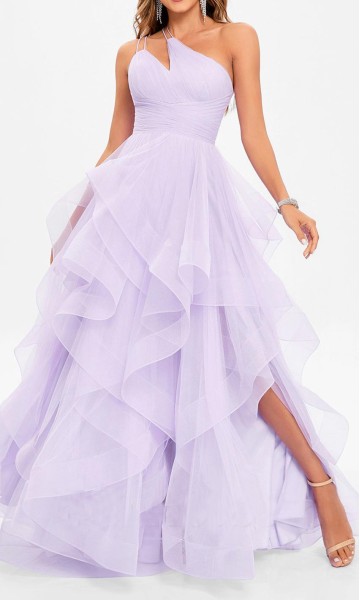
By following these tips – planning ahead, personalizing your outfit, and handling duplicates with grace – you can focus on making prom night memorable for all the right reasons, not a wardrobe clash. Enjoy your unique look and the celebration! Check out our full prom dresses 2026 collection now.
How to Prevent Same Dress FAQ:
You have options: exchange your dress for a different style if there’s time, work with a seamstress to add unique details, or commit to styling it completely differently with accessories, hair, and makeup. Talking to the other person directly can help you both coordinate.
Try not to let it affect your evening. Focus on your relationship with your date and the night you’re sharing together — that’s what actually matters, and handling it with confidence is the best response.
Take the high road and don’t engage with negativity. A kind or neutral response (or simply ignoring it) reflects better on you than any dress ever could — don’t let someone else’s comment take away from your night.
You may also interested in:
Top Prom Dress Trends for 2026 Styles, Colors & Top Designers (Sherri Hill, Jovani)
