
Forget the cookie-cutter silhouettes and the sea of “same-as-everyone-else” gowns. This year, the most stylish way to look forward is by looking back. Whether you’re drawn to the rebellious fringe of a 1920s jazz club, the sweeping, cinematic volume of a 1950s garden party, or the bold, geometric energy of a 1960s mod shift, vintage-inspired fashion offers a level of personality that modern trends just can’t touch. But how do you wear a look from the past without feeling like you’re heading to a costume party? Welcome to The Retro Edit, your ultimate guide to mastering the best decades of the 20th century and bringing that timeless glamour straight to the 2026 dance floor.
Understanding Vintage Prom Dress Eras: 1920s, 1950s & 1960s Styles
Choosing the right vintage era starts with understanding what makes each decade distinctive. Each period in fashion history brought its own signature silhouette, aesthetic, and cultural vibe that can help you express your personal style at prom.
1920s Flapper Prom Dresses: The Art of the Shimmer
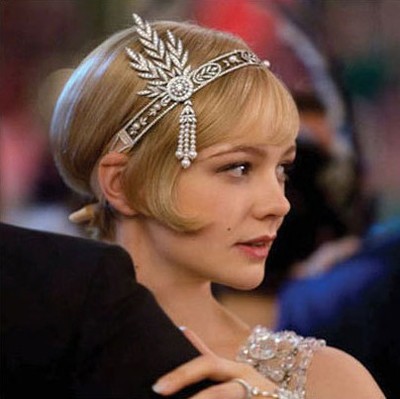
The Roaring Twenties brought us Art Deco glamour and the liberating flapper silhouette. These vintage 20Ss prom dresses feature dropped waists that sit at the hips rather than the natural waistline, elaborate beading and sequins that catch every light, and playful fringe that moves with you on the dance floor. The shift-style silhouette was revolutionary for its time, offering freedom of movement that previous generations couldn’t imagine.
If your prom goal is to exude effortless mystery and high-end drama, the 1920s is your decade. This era moved away from restrictive corsetry and toward the iconic drop-waist silhouette, prioritizing movement—perfect for a night spent on the dance floor. It’s a look that feels both architectural and liquid, thanks to the heavy beadwork and metallic threads that defined the Jazz Age.
This is your “Great Gatsby” moment—all about jazz, rebellion, and shimmering sophistication. The 1920s flapper prom dress works beautifully for those who want to make a dramatic entrance with sparkling embellishments and vintage Hollywood glamour.
The Key Elements of 1920s Prom Dress:
To nail the “Flapper” aesthetic without looking like a caricature, look for these specific details:
- Intricate Textures: Seek out dresses featuring art-deco bead patterns, sequins, or long silk fringe that dances when you move.
- The Silhouette: Look for “shift” or “column” styles. These dresses hang straight from the shoulder, offering a sophisticated, relaxed fit that’s a refreshing break from modern bodycon styles.
- The Hemline: While we often think of the 20s as the era of the “mini,” most formal gowns were tea-length or featured uneven “handkerchief” hems that added gorgeous dimension.

Styling the “New” Roaring Twenties
Modernizing this look is all about the balance between the dress and the “extras.” Skip the plastic pearls and opt for a sleek, jeweled headband worn across the forehead or tucked into a low, textured bun.
For makeup, you can lean into the drama with a smoky eye and a deep berry lip, but keep your skin finish light and dewy to ensure the look feels 2026, not 1926. Finish the ensemble with a pair of T-strap heels—they aren’t just historically accurate; they’re incredibly comfortable for a long night on your feet.
1950s Fit-and-Flare Prom Dresses: The Ultimate Fairytale Moment
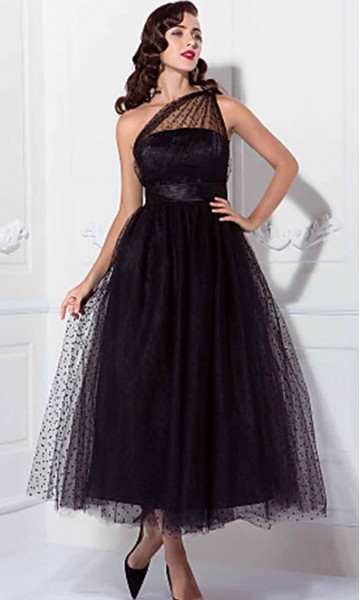
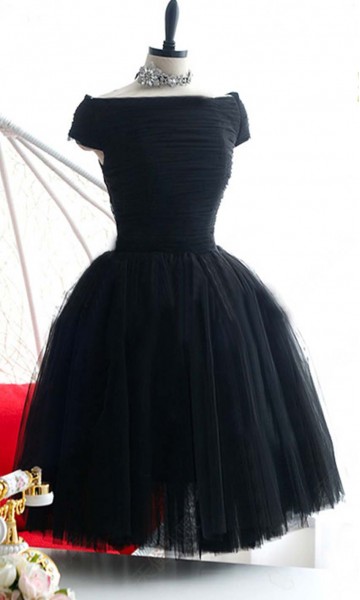
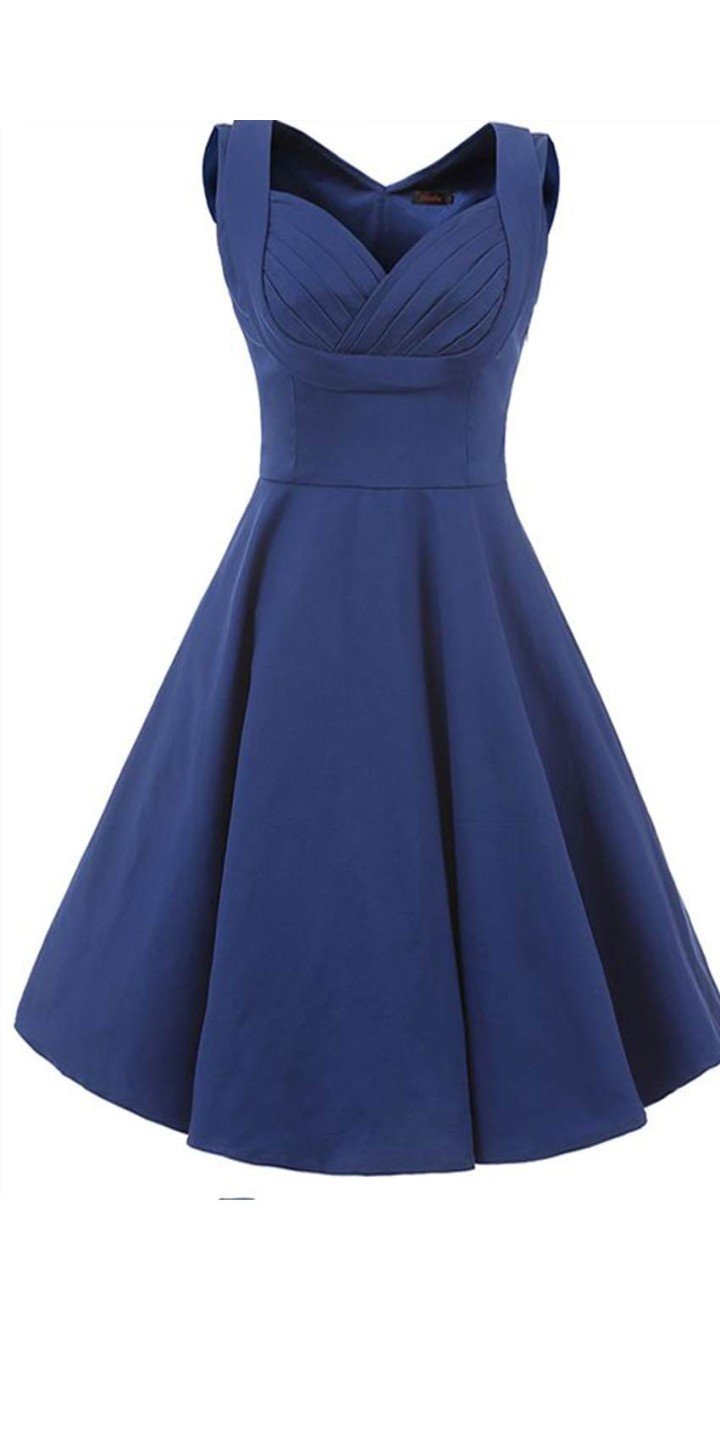
The fifties perfected classic femininity with the iconic fit-and-flare silhouette. These retro prom dresses feature fitted bodices that accentuate the waist, full tea-length skirts supported by layers of petticoats, and romantic sweetheart necklines. The hourglass shape created by this silhouette remains one of the most universally flattering vintage prom dress styles.
If your prom vision involves a dramatic entrance and a silhouette that commands the room, the 1950s is your golden era. This decade was defined by “The New Look”—a celebration of ultra-feminine shapes, cinched waists, and skirts so full they practically have their own zip code. It’s the quintessential “prom” aesthetic that feels both nostalgic and high-fashion.
This is the ultimate “Cinderella” look—elegant, ladylike, and utterly enchanting. The 1950s prom dress aesthetic is perfect for anyone who dreams of twirling across the dance floor in clouds of tulle and taffeta.
The Key Elements
The 50s look is all about structure and contrast. To capture this mid-century magic, keep an eye out for:
- The Fit-and-Flare Silhouette: A structured, fitted bodice that hits right at the natural waist, opening up into a massive, voluminous skirt.
- Classic Necklines: Look for sweetheart, halter, or off-the-shoulder cuts. These styles highlight the collarbone and add an air of “Old Hollywood” elegance.
- Tea-Length vs. Floor-Length: While floor-length gowns were common for formal balls, the iconic 50s prom look often stopped at the mid-calf (tea-length), allowing you to show off a killer pair of shoes.
Styling the Mid-Century Modern Way
The 1950s look lives and dies by the petticoat. If your dress doesn’t already have layers of crinoline built-in, buying a separate tulle underskirt is the secret to getting that authentic bell shape.
To keep the look from feeling too “poodle skirt” or costume-like:
- The Hair: Swap the stiff, hairsprayed curls for a soft, bouncy blowout or a sleek high ponytail with flipped ends.
- The Accessories: Think “refined minimalist.” A simple strand of pearls or dainty drop earrings works best.
- The Color Palette: While pastels like mint and powder blue are classic, try a 50s silhouette in a moody jewel tone like emerald or burgundy to give it a sophisticated, modern edge.
1960s Mod Prom Dresses: Minimalist Edge and Bold Revolution
The sixties brought a fresh, youthful energy to fashion with clean-lined shift dresses, bold geometric patterns, and architectural high necklines. Some vintage-inspired prom dresses from this era feature empire waists that create a graceful, elongated silhouette, while others embrace the mini length that scandalized the older generation.
If you want to break away from the traditional “ballgown” mold, the 1960s is your playground. This decade was all about youth culture, rebellion, and breaking the rules of formal wear. It’s the perfect era for the person who wants to feel edgy, comfortable, and a little bit playful.
This era is edgy, playful, and refreshingly minimalist—perfect for the fashion-forward prom-goer who wants to make a modern statement. The 1960s mod prom dress offers a sleek alternative to the fuller silhouettes of previous decades.
The Key Elements
The 60s moved away from the cinched waists of the 50s and toward freedom of movement. Look for these defining features:
- The Shift Silhouette: A short, sleeveless dress that hangs straight from the shoulders. It’s minimalist, chic, and incredibly easy to wear.
- The Empire Waist: For a softer “babydoll” look, choose a dress that cinches right under the bust and flows out. This was a massive trend for late-60s formal wear.
- Bold Textures and Prints: Think metallic brocades, heavy lace, or even “space age” PVC accents. Geometric patterns and vibrant, saturated colors are the hallmark of this era.
Styling with a Modern Twist
The 60s look is famous for its “more is more” approach to beauty and accessories. To keep it feeling like a high-fashion prom look:
- The Footwear: This is the only era where you can skip the heels entirely. A pair of high-shine Mary Janes or white go-go boots will make your outfit an instant conversation starter.
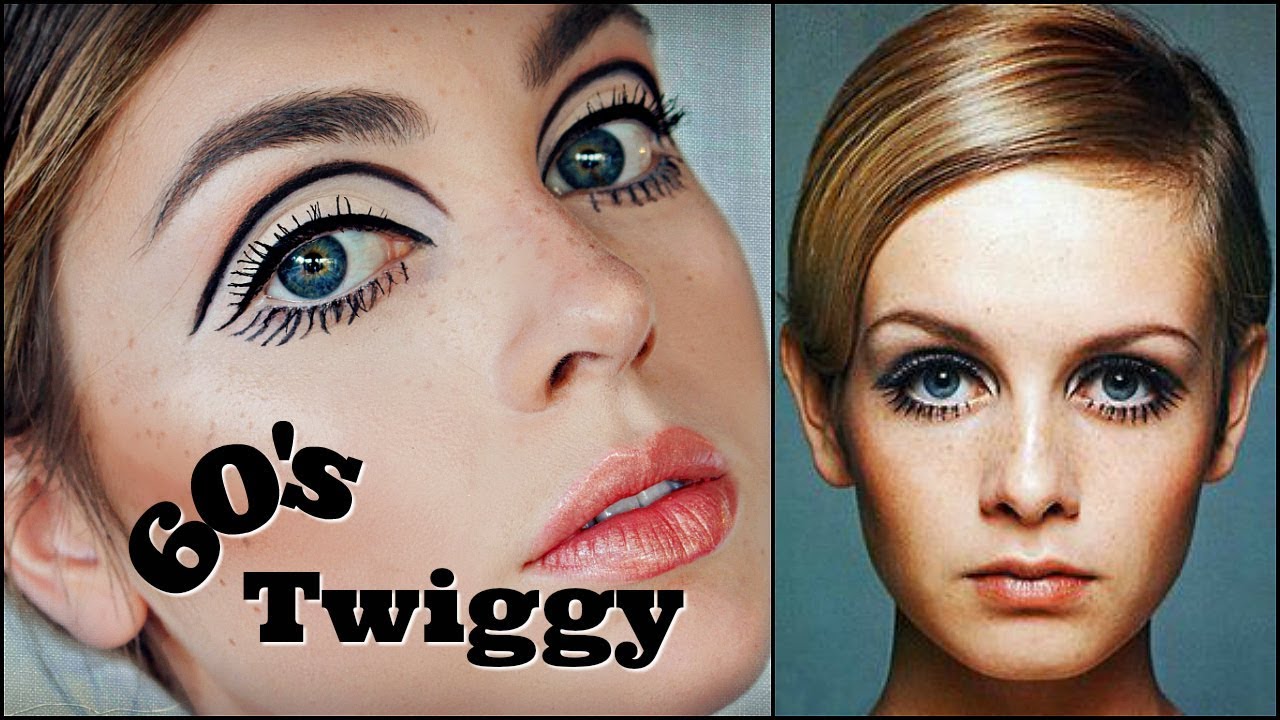
- The Eyes Have It: 60s beauty is all about the eyes. Go for heavy winged liner, “spider” lashes on the bottom lid, and a pale, nude lip to let your gaze do the talking.
- The Hair: Think volume. Whether it’s a sleek “beehive-lite” updo or a sharp, ironed-flat bob with flipped ends, the hair should feel intentional and structured.
How to Style Vintage Prom Dresses: Accessories by Era
A vintage prom dress is only half the battle. The right accessories and styling transform your look from costume to couture, ensuring you look intentionally vintage rather than like you raided your grandmother’s closet.
1920s Prom Dress Accessories: Beading, Headbands & T-Straps
Complete the Art Deco aesthetic with T-strap heels in metallic gold, silver, or satin finishes. These shoes were the height of 1920s fashion and remain elegant today. Style your hair in finger waves or a sleek bob—both signature styles of the flapper era—and add a beaded headband or jeweled hair clip for authentic glamour.
Makeup should be dramatic to match the theatrical style of the era. Think dark plum or deep red lipstick with defined, thin brows (or use makeup to create the illusion of thinner brows) and smoky eyes. A long cigarette holder as a prop (no actual smoking necessary!) or a beaded clutch completes the Great Gatsby vibe.
1950s Prom Dress Styling: Petticoats, Pearls & Cat-Eye Liner
The secret to nailing the 1950s vintage prom dress look is volume. Invest in a multi-layered petticoat or crinoline to give your skirt that iconic lift and sway—this foundation garment is non-negotiable for an authentic fifties silhouette. Classic pearls (either a choker or graduated strand) are essential accessories, paired with white gloves if you’re feeling extra elegant.
Master the cat-eye liner for that perfect fifties flick, add a bold red lip in a blue-based red shade, and consider victory rolls or soft waves in your hair. A small structured handbag or clutch and kitten heels or classic pumps complete this timeless retro prom dress ensemble.
1960s Prom Dress Look: Go-Go Boots & Twiggy Lashes
Channel Twiggy and the London mod scene with white or metallic go-go boots for a mini dress, or keep it sweet with Mary Jane heels in patent leather. Heavy false lashes on the upper lid with minimal lower makeup creates that wide-eyed sixties look that defined the decade.
Hairstyles should be either sleek and geometric—think high ponytails with volume at the crown, blunt bobs, or even a short pixie cut if you’re committed to the mod aesthetic. Bold geometric earrings and a structured handbag add the finishing touches to your 1960s vintage-inspired prom dress.
True Vintage vs. Vintage-Inspired Prom Dresses: What to Buy
Understanding the difference between authentic vintage pieces and modern reproductions will help you shop smarter and choose the right option for your needs, budget, and style preferences.
Benefits of True Vintage Prom Dresses
Shopping for actual vintage garments (usually 20+ years old, with true vintage typically meaning 40+ years) offers unparalleled uniqueness and sustainability. You’ll own a piece of fashion history that no one else at prom will have. These authentic vintage prom dresses often feature superior craftsmanship, hand-sewn details, and quality materials that are hard to find in modern fast fashion.
However, these pieces come with challenges. They can be delicate, with fragile fabrics, broken zippers, or missing beads. Sizing is often much smaller than modern standards—a vintage size 12 might fit like today’s size 4 or 6. They may also have yellowing, underarm stains, or that distinctive “vintage smell” that requires professional cleaning. Prices can vary wildly from thrift store steals to high-end vintage boutique prices.
Advantages of Vintage-Inspired Reproductions
Modern brands creating vintage-style prom dresses offer significant advantages for the practical prom-goer. You’ll find a full range of contemporary sizes, including plus-size vintage prom dresses, more durable and washable fabrics, and modern construction techniques like sturdy zippers instead of dozens of tiny hooks and eyes.
These vintage-inspired prom dresses often incorporate comfort features like stretch panels, adjustable straps, or built-in bras while maintaining authentic silhouettes. You can also return them if they don’t fit, which isn’t an option with most true vintage purchases. The trade-off is less uniqueness—you might see similar styles elsewhere—but you gain reliability, fit, and often lower maintenance requirements.
Modernizing Vintage Prom Dresses: Avoid the Costume Look
The line between “vintage-inspired prom queen” and “costume party” is all in the execution. Here’s how to keep your retro prom dress looking current and intentional rather than like you’re heading to a themed event.
Mixing Vintage Silhouettes with Modern Elements
Mix eras thoughtfully by pairing a 1950s fit-and-flare silhouette with sleek, modern metallic heels or minimalist jewelry instead of going completely period-accurate. Try contemporary makeup techniques—like the soft “clean girl” glow with dewy skin, natural brows, and glossy lips—with a 1920s beaded dress for an unexpected twist that feels fresh.
Consider adding modern accessories like a contemporary clutch, current jewelry styles, or even a leather jacket for photos (then check it at the door) to bridge vintage and modern aesthetics.
Contemporary Color Palettes for Retro Prom Dresses
Choose vintage silhouettes in decidedly modern colors: neon pink in a fifties fit-and-flare, or muted millennial pink in a flapper style. Sage green, dusty blue, or even metallics like rose gold can make a vintage-inspired prom dress feel current. Consider updated fabric choices like structured satin instead of heavy taffeta, or modern sequins that have more movement and less weight than vintage beading.
The key is making it look like you chose vintage elements because you love them, not because you’re trying to recreate a history textbook photo or yearbook from decades past.
Vintage Prom Dress Tailoring: Why Fit Matters
Here’s the truth about vintage and vintage-inspired prom dresses: they are unforgiving when it comes to fit. The structure of a 1950s bodice, the drape of a 1920s shift, the clean lines of a 1960s mod dress—all of these rely on precise fit to look intentional rather than ill-fitting.
A skilled tailor can transform a $50 vintage find into something that looks like a $500 custom gown. They can take in seams, adjust hemlines to the perfect tea-length, add or remove sleeves, update necklines, and ensure the waistline hits exactly where it should on your body. This is especially important for true vintage pieces, which may need structural repairs, new closures, or updates to work with modern undergarments.
Budget $50-150 for alterations when you’re planning your vintage prom dress look. It’s not an optional extra—it’s the difference between looking like you’re wearing a costume and looking like you’re making a deliberate style statement. Many vintage-inspired prom dresses also benefit from tailoring to achieve that custom, high-end fit.
Foundation Garments: The Secret to Authentic Vintage Silhouettes
If you’re going for a 1950s vintage prom dress look, don’t skip the foundation garments. A good crinoline or petticoat is what gives that iconic “poodle skirt” lift and the dramatic silhouette that makes fifties dresses so memorable. Without proper structure underneath, even the most beautiful fit-and-flare prom dress will fall flat—literally. Look for petticoats with at least two layers, or three to four layers if you want maximum volume.
Similarly, 1920s flapper dresses often look best with a smoothing slip underneath to let the beading and fringe take center stage without clinging to your body. The shift silhouette should skim rather than hug. For 1960s shift dresses, a simple slip that allows the dress to hang straight from the shoulders without clinging creates that architectural, mod look.
Consider shapewear if you want a smoother line under your vintage-inspired prom dress, but make sure it’s comfortable enough to wear all night while dancing.
Where to Find Vintage and Vintage-Inspired Prom Dresses
Shopping for retro prom dresses requires knowing where to look. For true vintage pieces, check local vintage boutiques, online marketplaces like Etsy (search for “vintage formal dress” plus your era), estate sales, and specialized vintage clothing stores. Sites like Poshmark, Depop, and even eBay can yield amazing finds if you’re patient and know your measurements.
For vintage-inspired reproductions, many mainstream retailers now offer retro-styled prom dresses. ModCloth, Unique Vintage, and Stop Staring! specialize in vintage-inspired clothing. Even larger retailers like ASOS, Lulus, and Nordstrom often carry vintage-style formal dresses. Search for terms like “tea-length prom dress,” “fit and flare formal,” or “beaded shift dress” to find vintage silhouettes.
Don’t overlook local bridal shops, as many fifties-style wedding dresses make perfect vintage prom dresses, and you’ll get professional fitting services included.
Vintage Prom Dresses Shopping Tips for Success
Finding the perfect throwback piece is half the fun, but it requires a bit more strategy than a quick trip to the mall. Whether you’re hunting for a genuine relic or a high-quality “repro,” here is how to shop like a pro:
1. Know Your Measurements (Not Your Size)
Vintage sizing from the 20s through the 60s is vastly different from the “vanity sizing” we see today. A 1950s “Size 12” might fit like a modern “Size 4.”
- The Fix: Keep a small tape measure in your bag. Focus on your bust, natural waist (the narrowest part of your torso), and hips. Compare these to the garment rather than looking at the tag.
2. Inspect the “Bones” of the Dress
When buying true vintage, check for the “Three S’s”: Stains, Scents, and Seams.
- Look for yellowing under the arms or at the hem.
- Check that the zippers glide smoothly (older metal zippers can be finicky).
- Gently tug at the seams to ensure the thread isn’t “rotting” or becoming brittle with age.
3. Seek Out Reproduction Brands
If you love the look but want modern durability and inclusive sizing, look for “Vintage-Inspired” or “Retro-Reproduction” brands. These companies use modern fabrics (which often have a bit of helpful stretch!) but cut them using authentic mid-century patterns.
4. Factor in the “Tailor Tax”
Rarely does a vintage find fit perfectly off the rack. When budgeting for your prom look, set aside a little extra for a professional tailor. Shortening a hem, narrowing a shoulder, or adding modern cups to a 50s bodice can transform a “thrifted find” into a custom masterpiece.
Frequently Asked Questions About Vintage Prom Dresses
What is a vintage prom dress?
A vintage prom dress is either an authentic garment from a past era (typically 20+ years old) or a modern dress designed to replicate the silhouettes, fabrics, and styling of a specific historical period. True vintage pieces are original garments from the 1920s through 1990s, while vintage-inspired dresses are contemporary reproductions that capture the aesthetic of these eras.
What’s the difference between vintage and vintage-inspired prom dresses?
True vintage prom dresses are authentic garments from past decades, offering unique, one-of-a-kind pieces with historical craftsmanship but potentially challenging sizing and fragility. Vintage-inspired prom dresses are modern reproductions that mimic historical styles but include contemporary sizing, durable fabrics, and modern construction techniques, making them more practical for most prom-goers.
How much do vintage prom dresses cost?
Prices vary dramatically. True vintage dresses can range from $30-100 at thrift stores to $200-800+ at specialized vintage boutiques, depending on condition, rarity, and era. Vintage-inspired prom dresses from retailers typically cost $80-400, similar to contemporary prom dress prices. High-end designer vintage reproductions can exceed $500.
What size should I order in vintage prom dresses?
For true vintage pieces, sizes run significantly smaller than modern standards—often 2-4 sizes smaller. Always go by exact measurements (bust, waist, hips) rather than size numbers. For vintage-inspired dresses, sizing is usually standard contemporary sizing, but always check the retailer’s size chart. When in doubt, order the larger size, as taking in a dress is easier and less expensive than letting it out.
Where can I buy vintage prom dresses?
Purchase true vintage at local vintage boutiques, Etsy, estate sales, eBay, Poshmark, and Depop. Find vintage-inspired prom dresses at retailers like ModCloth, Unique Vintage, ASOS, Lulus, and department stores. Many bridal shops also carry vintage-style dresses that work beautifully for prom.
Can you wash a vintage prom dress?
Never machine wash a true vintage dress. Most require professional dry cleaning, though some delicate hand-washing may be appropriate for certain fabrics—always test an inconspicuous area first. Vintage-inspired dresses usually have care labels with specific washing instructions; many are dry-clean only, but some modern reproductions can be gently hand-washed.
Which vintage era is best for prom dresses?
The “best” era depends on your personal style and body type. The 1950s fit-and-flare is universally flattering and romantic; the 1920s flapper style suits those who love sparkle and Art Deco glamour; the 1960s mod look works for fashion-forward individuals who prefer clean lines and minimalism. Consider which silhouette makes you feel most confident.
How do I avoid looking like I’m wearing a costume?
Mix vintage pieces with modern elements like contemporary shoes, current makeup techniques, or modern jewelry. Choose vintage silhouettes in unexpected modern colors. Ensure perfect fit through professional tailoring. Keep hair and makeup updated rather than completely period-accurate, and avoid wearing every single vintage accessory from one era at once.
Do I need a petticoat for a 1950s prom dress?
Yes, absolutely. A petticoat or crinoline is essential for achieving the iconic 1950s silhouette. Without it, the skirt won’t have the proper volume and shape that defines the era. Look for multi-layered petticoats, and consider trying the dress on with it before making final alterations.
Are vintage prom dresses sustainable?
True vintage dresses are among the most sustainable fashion choices, as they reuse existing garments and prevent textile waste. Vintage-inspired reproductions vary in sustainability depending on the brand’s manufacturing practices, but choosing quality pieces you’ll wear again or can resell improves their sustainability profile.
Make Your Vintage Prom Dreams Come True
Choosing a vintage or vintage-inspired prom dress is about more than just picking a pretty gown. It’s about connecting with fashion history, expressing your individual style, and creating a look that will stand out in all the right ways. Whether you go full flapper with 1920s beaded fringe, embrace fifties femininity with a tea-length fit-and-flare, or channel mod minimalism in a 1960s shift, the key is committing to the aesthetic with the right styling, perfect fit, and modern touches that keep the look fresh.
Remember that the most important element of any vintage prom dress is how you feel wearing it. When you find that perfect retro silhouette that makes you feel confident, beautiful, and authentically yourself, you’ll create a prom night look as timeless as the memories you’ll make.
Start your vintage prom dress search early, budget for alterations, invest in the right foundation garments and accessories, and don’t be afraid to mix eras and modern elements to create a look that’s uniquely yours. Your vintage-inspired prom dress will ensure you stand out from the crowd while celebrating the enduring elegance of fashion’s most iconic eras.
Related Post:
