

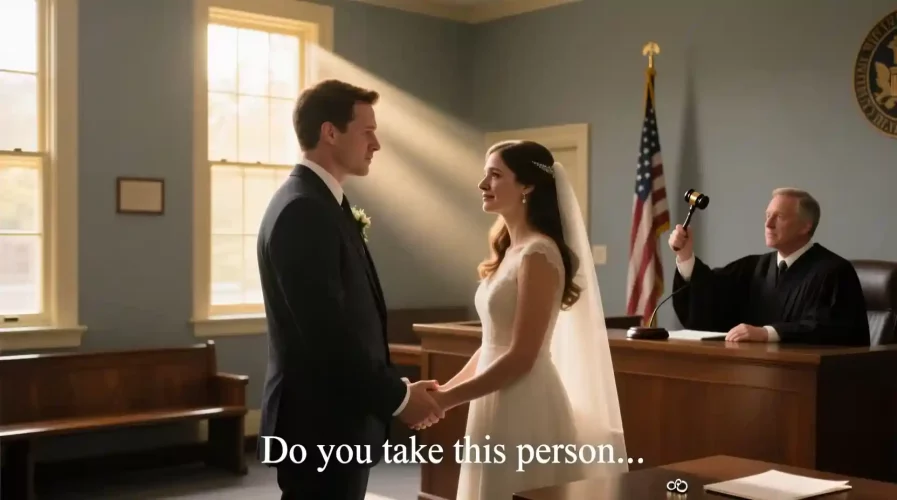
There’s something beautifully romantic about stripping a wedding back to what matters most: the two of you. Whether the idea of planning a year-long wedding feels overwhelming, or you simply want to get married sooner rather than later, a register office wedding could be the perfect choice. Far from being a “lesser” option, register office weddings are a growing trend — and for good reason. They’re intimate, budget-friendly, and surprisingly versatile.
The key to a great register office wedding is doing your homework early. Requirements and fees vary by council, so understanding your local rules in advance will save you last-minute stress. You’ll also want to get comfortable with the idea that you can’t choose your registrar — but the good news is that registrars are experienced professionals who do this every day.
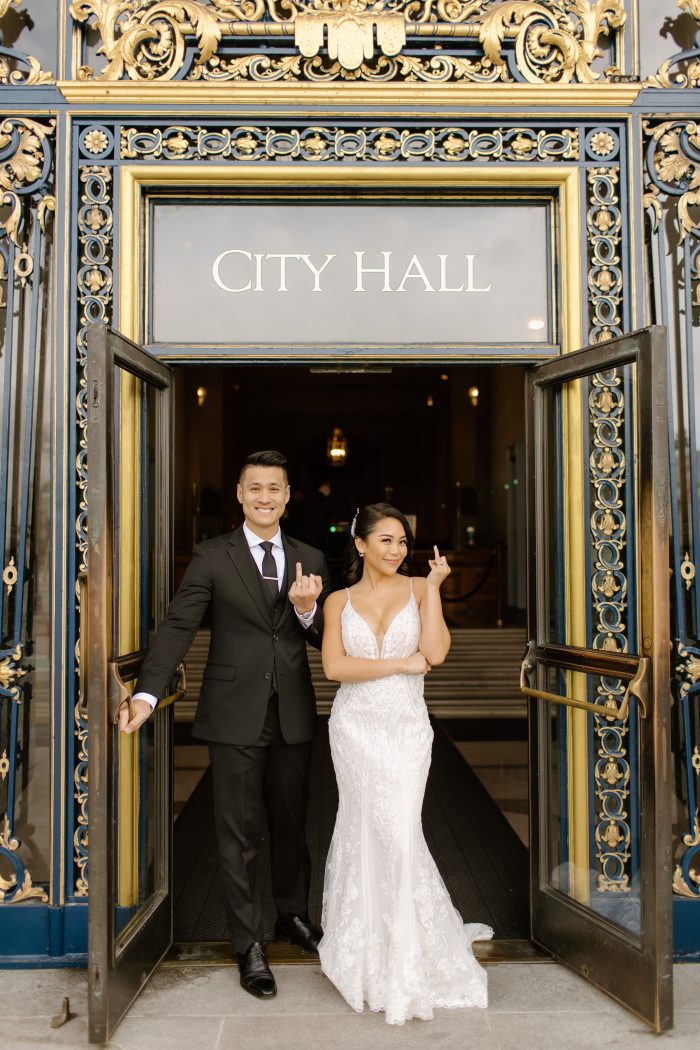
Ready to get started? Here’s everything you need to know to plan a courthouse wedding that feels authentically you.
What to Know About Register Office Weddings
A register office wedding is a civil ceremony led by a registrar at a register office or another licensed venue. The ceremony itself typically lasts 20–30 minutes, and most register offices allow a small number of guests to witness it in the basic statutory room, with larger (pricier) ceremony rooms available at many locations for bigger guest lists.
The exact process, fees, and guest limits are set locally by your council, so it’s worth checking your specific register office’s website rather than assuming a single UK-wide standard. Some register offices now offer livestreaming so loved ones who can’t attend in person can watch remotely — worth asking about if this matters to you.
Pro tip: always check your specific council’s current requirements and fees well before your planned date — schedules and prices change, and you don’t want a surprise close to your big day.
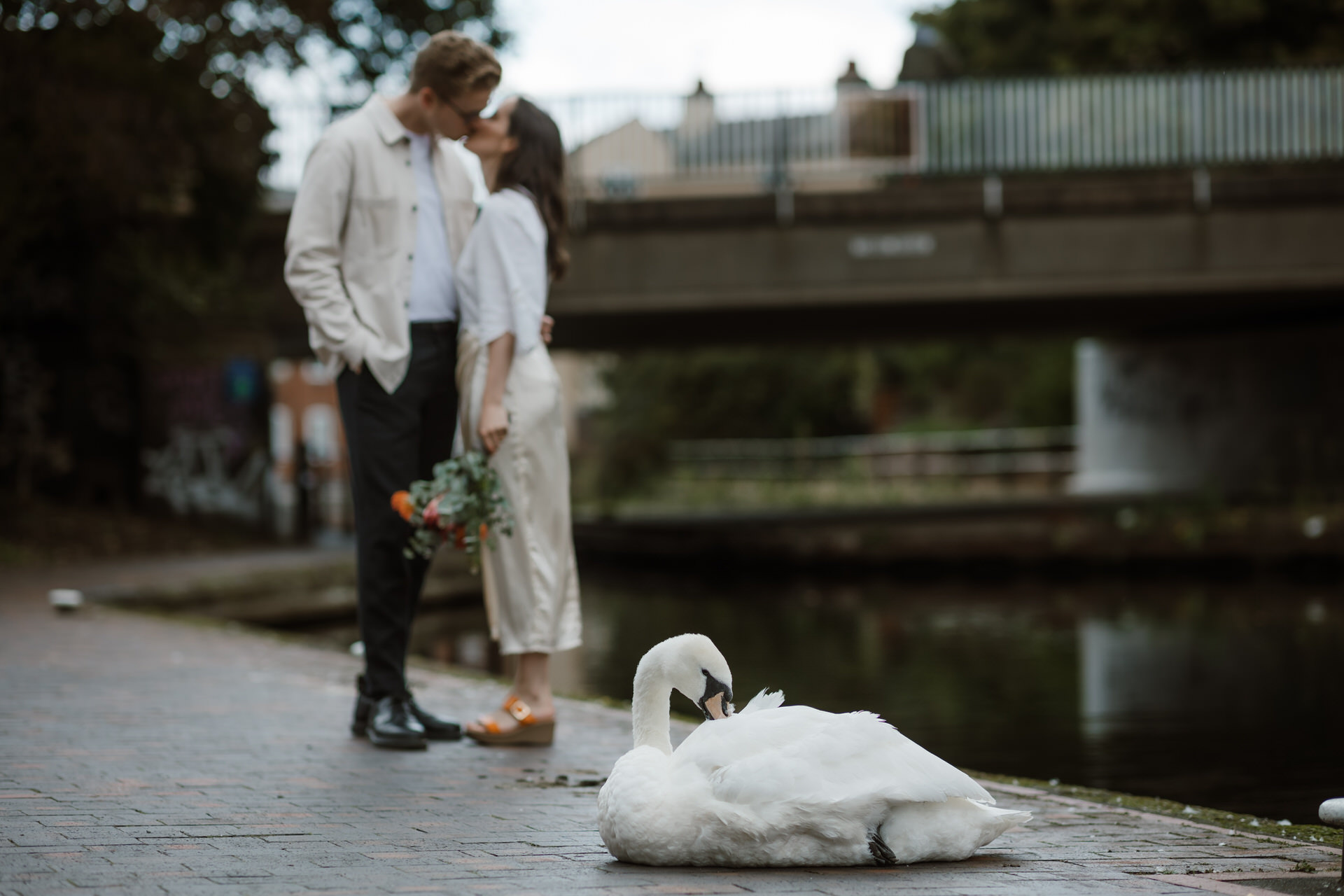
How to Plan a Register Office Wedding in 10 Simple Steps
1. Choose a Register Office That Feels Right
You’re not limited to your nearest one — some register offices are in genuinely beautiful historic buildings with grand staircases or lovely grounds. It’s worth visiting in advance to scout photo spots and get a feel for the space.
2. Understand the Notice of Marriage Requirement
Both partners must give notice of marriage at their local register office at least 28 days before the ceremony (longer if either partner is subject to immigration control, in which case the fee and process differ). You must have lived in your registration district for the 7 days before giving notice. If you live in different areas, you can usually give notice separately at your own local register offices.
The notice fee is typically £35–£47 per person, rising to roughly £57 per person if a Home Office referral is required. Notice is valid for 12 months, so don’t leave it too close to your date, but also don’t give it excessively early.

3. Give Notice and Gather Your Documents
You’ll typically need a valid passport or full birth certificate, proof of address, and — if either of you has been married or in a civil partnership before — your decree absolute/final order, or a former partner’s death certificate if applicable. This is a more straightforward document list than the US marriage-license process, with no blood tests or social security numbers involved.
4. Book Your Ceremony Date
Popular dates and weekend slots fill up quickly, so book as early as you reasonably can. Many register offices operate limited hours, with weekday appointments generally easier to secure than weekends.
Pro tip: work backwards from your ceremony date to make sure your 28-day notice period (and its 12-month validity) will still be in place.
5. Put Together Your Wedding Day Checklist
Before the day, make sure you have: your notice confirmation and any required paperwork, valid photo ID for both partners, your witnesses (register offices require at least two, and they must be adults), and confirmation of anything special you’d like included, such as personal readings (non-religious only) or photography — some register offices have rules about what’s allowed inside the ceremony room.
Arrive early to allow time for parking and check-in.
6. Think About Your Guest List — Including Virtual Guests
Basic statutory ceremony rooms are often quite small. If space is limited or you’re keeping things private, consider livestreaming for loved ones who can’t be there in person — some register offices offer this as a low-cost or complimentary option.
Pro tip: consider having a close friend or family member serve as one of your official witnesses, or ask your photographer to fill that role if it’s just the two of you.

7. Hire a Photographer You Love
If there’s one place worth investing in, it’s photography — a good photographer captures the day in a way you’ll treasure for decades. Ideally, look for someone with experience shooting at register offices, who’ll know the best angles and nearby spots for portraits.
8. Choose an Outfit That Makes You Feel Amazing
A register office wedding doesn’t mean you can’t feel incredible — whether that’s a classic dress, a chic suit, or something entirely unexpected. A short cocktail-style dress or a bridesmaid-style dress can offer a stunning look at a fraction of the cost of a full bridal gown.

9. Add Personal Touches That Make It Yours
Even within a legal ceremony, there’s room to make it feel special: a meaningful bouquet, sentimental rings, a small keepsake or guest book. Just remember that readings, music, and any personal wording must be non-religious at a register office ceremony.
10. Celebrate However Feels Right for You
The ceremony might be short, but the celebration doesn’t have to end there. Grab coffee afterwards, host a dinner for two, or throw a bigger party later with a wider guest list — there’s no rulebook here.
Frequently Asked Questions About Register Office Wedding
Typically 20–30 minutes for the ceremony itself, though the full visit (including check-in and paperwork) may take a bit longer.
Many register offices allow personalised elements like readings or wording, but everything must be non-religious by law. Check with your specific register office about what’s permitted.
This varies significantly by council and room — a basic statutory room might only fit a handful of guests, while a larger ceremony room at the same register office could hold 40 or more for a higher fee. Always confirm the exact limit before sending invitations.
Roughly £150–£260 for the legal essentials (notice fees for both partners, the basic ceremony, and a certificate), though this varies by council — check your local register office’s current fee schedule for an accurate figure.
They’re similar in spirit but not identical. A register office wedding is a planned civil ceremony, often with a small group of witnesses and guests, while an elopement tends to be more private and can happen anywhere, sometimes with no guests at all.
A valid passport or full birth certificate, proof of address, and — if previously married or in a civil partnership — your decree absolute/final order or a former partner’s death certificate. No blood tests or social security numbers are required.
Requirements and fees vary by local council and can change — always verify current details directly with your chosen register office or via GOV.UK before making firm plans.
Related Post:
