

You’ve found the perfect dress—the one that makes you feel confident, elegant, and ready to shine. Whether it’s for a wedding, gala, prom, or another milestone event, your formal dress UK represents more than just fabric and thread. It’s an investment of both emotion and money, a garment you want to look flawless from the moment you slip it on until the last dance of the evening. But between champagne toasts, enthusiastic hugs, and hours of celebration, how do you keep your dress looking as pristine as it did on the hanger?
The secret lies in thoughtful formal dress care at three critical stages: before you wear it, during the event itself, and after the celebration ends. In this comprehensive guide, we’ll walk you through each phase with practical tips that will help you protect your gown and keep it looking beautiful for years to come.
Before the Event: How to Prep Your Formal Dress
The best defense against dress disasters is preparation. Taking time to properly prep your evening gown before the big day can prevent most common issues and give you peace of mind.
Final Fitting Tips for Formal Dresses
Final Fittings Matter
Schedule a final fitting at least a week before your event. This isn’t just about fit—it’s your last opportunity to have a professional check that all hems are secure, seams are reinforced, and embellishments are firmly attached. A loose bead or wobbly sequin is much easier to fix now than when it’s dangling by a thread mid-event.
Steaming vs. Ironing: Best Practices for Delicate Fabrics
How to Remove Wrinkles from a Formal Dress
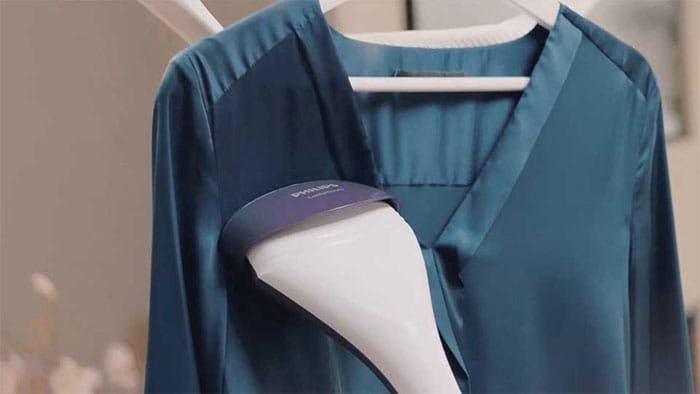
Here’s a golden rule for formal dress care: when it comes to evening gowns, steaming is almost always safer than ironing. The direct heat and pressure of an iron can damage delicate fabrics like silk, chiffon, tulle, and lace, potentially leaving shiny marks or even melting synthetic fibers. A garment steamer, on the other hand, uses gentle steam to relax wrinkles without direct contact.
Wrinkle Removal Done Right
Hang your dress properly as soon as you bring it home. Use the built-in hanging loops inside the dress rather than the straps, which can stretch under the garment’s weight. Keep it in a cool, dry place away from direct sunlight. If wrinkles persist, use a handheld steamer, holding it a few inches away from the fabric and working from top to bottom. For stubborn creases, hang the dress in your bathroom while you take a hot shower—the steam will naturally help relax the fabric.
How to Pack a Formal Dress for Travel
The Right Garment Bag Makes All the Difference
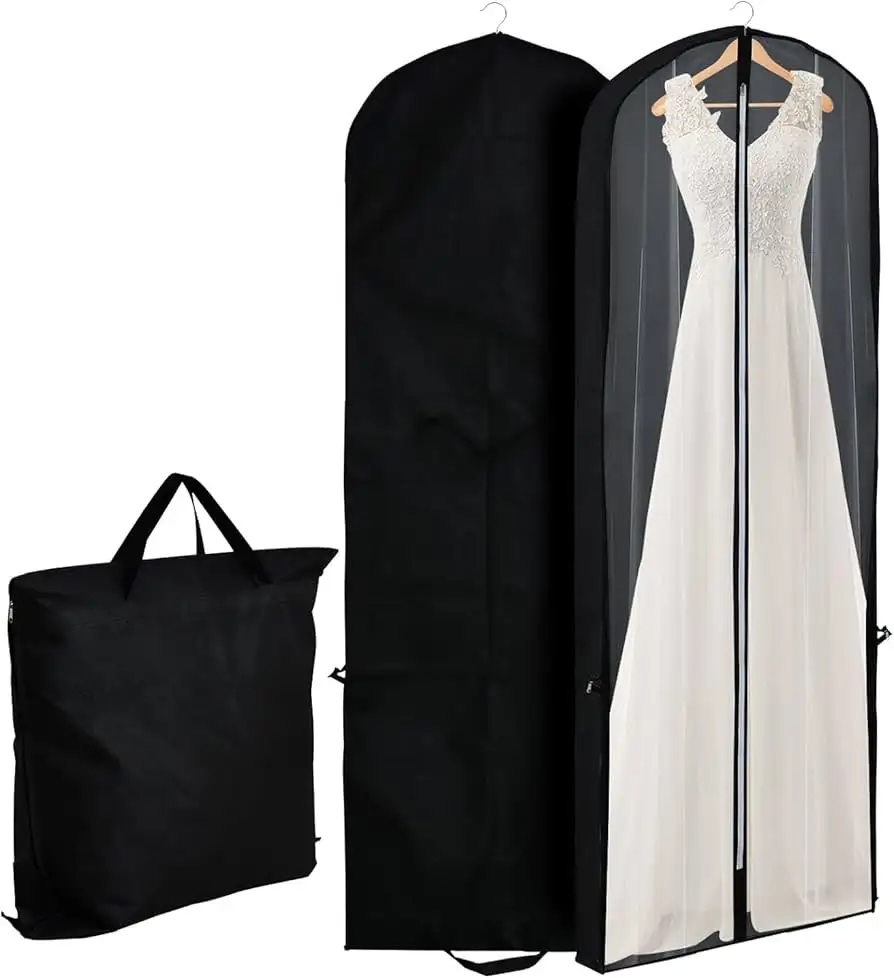
If you need to travel with your dress or store it before the event, invest in a breathable fabric garment bag made of cotton or canvas. Avoid plastic bags, which trap moisture and can lead to mildew, yellowing, or musty odors. Your dress needs to breathe, especially if it will be stored for more than a few days.
Travel Tips for Wrinkle-Free Arrival
Traveling to your event? Pack strategically. If you’re driving, lay the dress flat on top of other luggage or hang it in the back seat using a garment hook. For flying, consider rolling the dress with acid-free tissue paper between the layers to minimize creasing, or call ahead to ask if you can hang it in the flight attendant’s closet. Some airlines accommodate formal wear with advance notice.

Essential Emergency Kit for Formal Events
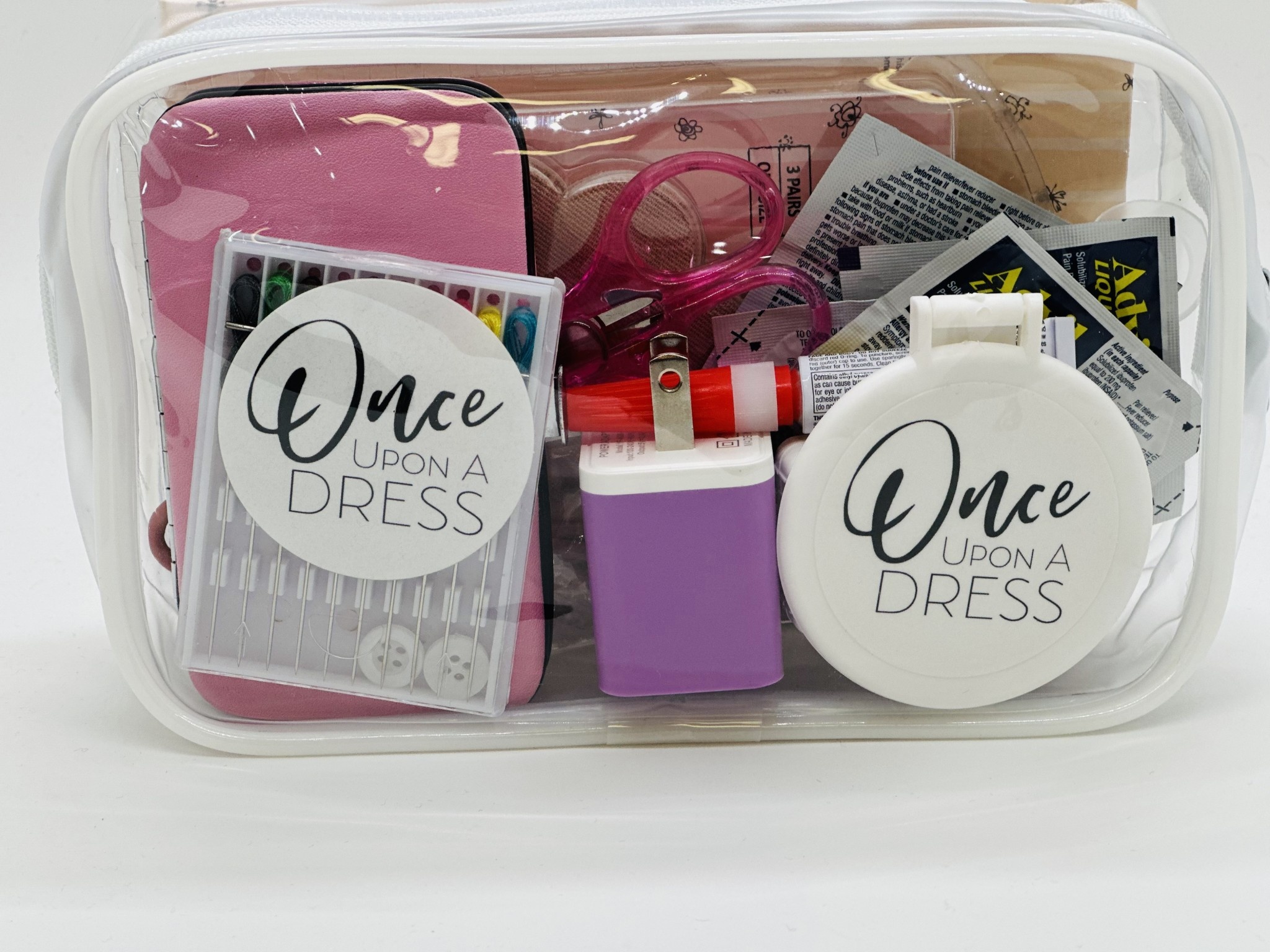
Even with the best planning, small mishaps happen. Pack a tiny emergency kit to bring to the event:
- Safety pins in various sizes for quick hem or strap repairs
- Double-sided fashion tape for securing necklines or fixing a fallen hem temporarily
- A mini sewing kit with thread that matches your dress color
- Stain removal pen or wipes (test on an inconspicuous area first!)
- A small bottle of clear nail polish to stop runs in delicate fabrics
This kit can be tucked into a clutch or given to a trusted friend. It’s the difference between a minor inconvenience and a major wardrobe malfunction.
During the Event: Protecting Your Dress from Damage
You’re dressed, you’re stunning, and the event is underway. Now it’s time to enjoy yourself while being mindful of your beautiful gown.
How to Sit in a Formal Dress Without Wrinkles
The Art of Sitting
Before you sit down, gather your skirt and give it a gentle fluff or smooth it to the sides. This prevents the fabric from bunching underneath you, which can create deep creases or crush delicate embellishments. If you’re wearing a ball gown or dress with significant volume, sitting gracefully takes practice—but it’s worth it to avoid spending the evening with a wrinkled lap.
Dancing with a Train or Full Skirt
A dramatic train or voluminous skirt is breathtaking, but it can also be tricky on the dance floor. Consider having a wrist loop sewn in (called a “bustle”) that allows you to hook the train up and out of the way. Alternatively, designate a trusted friend as your “dress handler” who can help you navigate crowded spaces. When in doubt, gather the train in one hand while dancing or walking through tight areas.
Quick Stain Removal Tips for Formal Wear
The Golden Rule: Don’t Rub
If disaster strikes and something spills on your dress, resist the urge to rub the stain. Rubbing pushes the stain deeper into the fibers and can damage delicate fabric. Instead, blot gently from the outside edges of the stain toward the center using a clean white napkin or cloth.
Quick Fixes for Common Spills
For water-soluble stains like wine, soda, or juice, blot with a damp cloth and let it air dry. For oil-based stains like butter or salad dressing, gently dab (don’t rub!) with a dry napkin to absorb excess oil. Remember: these are temporary measures only. The real solution is professional formal dress cleaning as soon as possible. Trying to aggressively treat a stain yourself can cause more harm than good.
Preventing Snags and Tears on Delicate Fabric
Jewelry Check
Before your event, examine your jewelry. Rings with prominent prongs, bracelets with sharp edges, or textured clutches can easily snag lace, chiffon, or tulle. Consider wearing smooth jewelry and being extra cautious when adjusting your dress or reaching for items.
Venue Awareness
Pay attention to your surroundings. Ornate chair legs, rough brick walls, or even the edges of tables can catch on delicate fabrics. When walking through tight spaces or sitting down, take an extra moment to ensure your dress isn’t in harm’s way.
After the Event: Professional Cleaning and Storage Tips
The party’s over, but your dress care routine isn’t. What you do in the days following your event will determine whether your dress remains a treasured keepsake or becomes a regret.
Immediate Care Steps After Wearing Your Dress
Air It Out
As soon as you get home (or the next morning), hang your dress in a clean, dry, well-ventilated area. Let it air out for at least 24 hours to release accumulated odors from perfume, sweat, smoke, or environmental scents. This also gives the fabric time to relax after being worn.
Inspect Thoroughly
Before you send your dress to the cleaners, conduct a careful inspection. Check the hem (where dirt and grime accumulate), underarms, neckline, and any areas where you might have eaten or drank. Use a piece of white chalk or a safety pin to mark stains so the cleaner can give them special attention. Tell them exactly what caused each stain—this information helps them choose the right treatment.
Why Professional Formal Dress Cleaning Matters
Finding a Specialist Dry Cleaner for Formal Gowns
Timing is Everything
Don’t wait weeks or months to have your dress cleaned. Many stains, especially those from sugary drinks, food, or perspiration, become permanent if left untreated. Invisible stains can also oxidize over time, eventually turning brown or yellow. Aim to get your dress to the cleaners within a week of wearing it.
Finding a Specialist
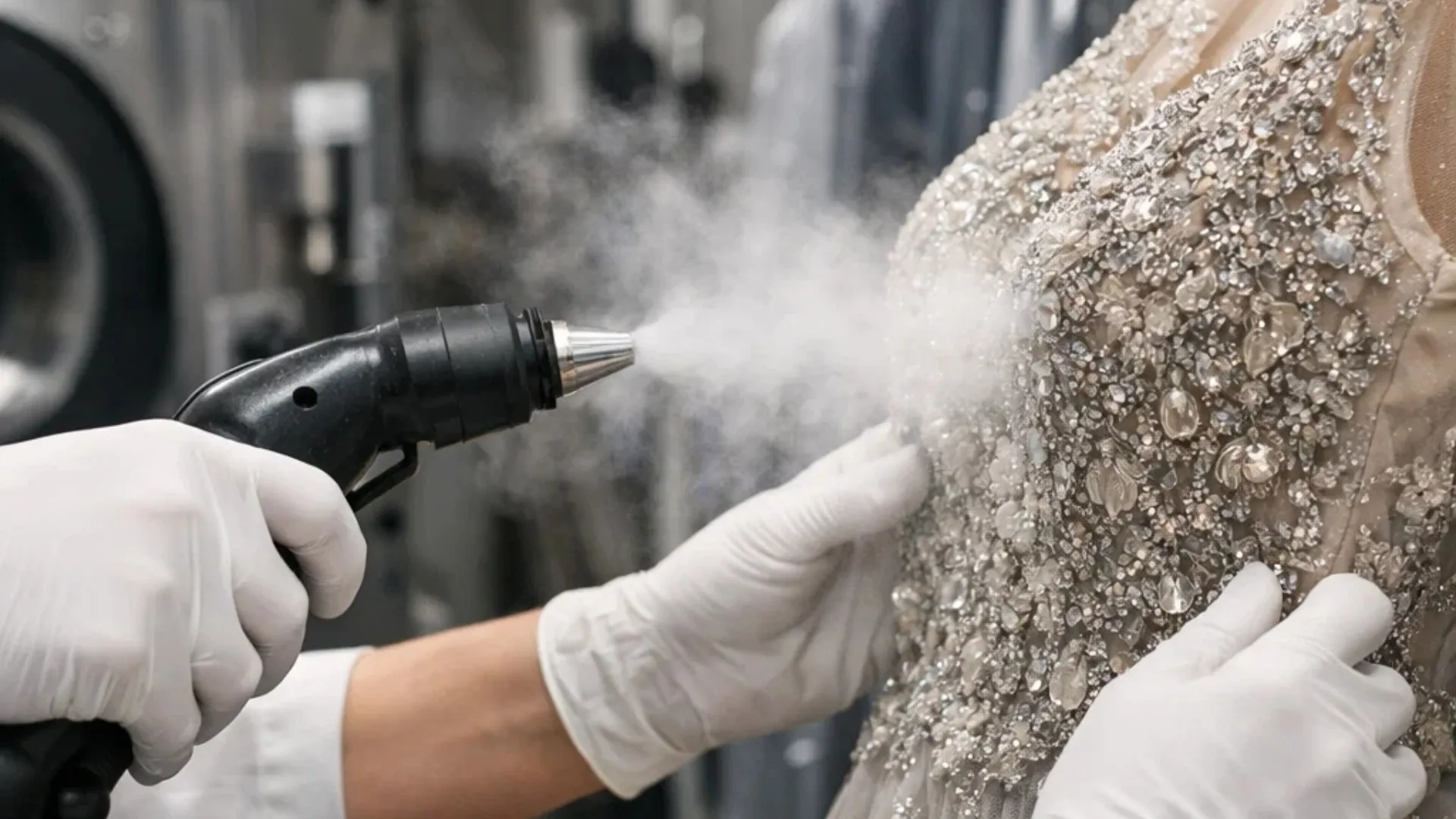
Not all dry cleaners are created equal. Look for one that specializes in formal wear, wedding gowns, or couture garments. These specialists understand the intricacies of delicate fabrics, beading, and complex construction. Ask questions: How do they handle embellishments? Do they hand-clean certain areas? Can they provide references? A good cleaner will be happy to discuss their process.
Communicate Clearly
When you drop off your dress, tell the cleaner everything: where the stains are, what caused them, what fabric the dress is made of (check the label), and any special concerns you have. The more information they have, the better they can care for your garment.
How to Store a Formal Dress Long-Term
Acid-Free Storage Solutions for Formal Dresses
Acid-Free is the Way to Be
If you’re storing your dress long-term (perhaps as a keepsake or to pass down), invest in acid-free, archival-quality storage. This might be a specialized preservation box or a breathable cotton garment bag. Never leave your dress in the plastic bag from the dry cleaner—plastic traps moisture, which can lead to yellowing, mildew, and fabric deterioration.
Location, Location, Location
Store your dress in a cool, dry place with stable temperature and humidity. A closet shelf in a climate-controlled room is ideal. Avoid attics (too hot), basements (too humid), or areas with direct sunlight, which can fade colors and weaken fibers. If you’re storing the dress in a box, place it flat with acid-free tissue paper between folds to prevent creasing.
Frequently Asked Questions About Formal Dress Care
How often should I clean my formal dress?
Your formal dress should be professionally cleaned after each wear, ideally within one week of your event. Even if the dress looks clean, invisible stains from perspiration, body oils, perfume, and environmental factors can oxidize and become permanent over time. If you’re storing the dress long-term, cleaning it first is essential to prevent yellowing and fabric deterioration.
Can I wash my formal dress at home instead of dry cleaning?
While some formal dresses have care labels indicating they’re hand-washable, we strongly recommend professional cleaning for most formal wear. Dry cleaners who specialize in formal gowns have the expertise and equipment to handle delicate fabrics, intricate beading, and complex construction safely. Home washing risks shrinkage, color bleeding, fabric damage, and ruined embellishments.
Should I steam or iron my formal dress?
Always choose steaming over ironing for formal dresses. Steaming is gentler and safer for delicate fabrics like silk, chiffon, tulle, lace, and satin. The direct heat and pressure from an iron can create shiny marks, scorch delicate fabrics, or even melt synthetic fibers. Hold the steamer 2-3 inches away from the fabric and work from top to bottom.
How do I get wrinkles out of a formal dress without a steamer?
If you don’t have a steamer, hang your dress in the bathroom while you take a hot shower. The steam will naturally relax most wrinkles. Make sure the dress isn’t touching the wet shower walls. You can also hang it near (not directly on) a humidifier. For stubborn wrinkles, consider renting a garment steamer or having your dress professionally pressed at a dry cleaner.
What should I pack in my formal dress emergency kit?
Your emergency kit should include safety pins in various sizes, double-sided fashion tape, a small sewing kit with matching thread, stain removal pen or wipes (test first!), clear nail polish to stop runs, small scissors, and baby powder or cornstarch for oil-based stain absorption. Keep this kit in your clutch or give it to a trusted friend.
How do I transport my formal dress without wrinkling it?
For car travel, hang the dress using a garment hook in the back seat, or lay it flat on top of luggage. Use a breathable garment bag to protect it. For air travel, roll the dress with acid-free tissue paper between layers, or call the airline ahead to ask about hanging it in a closet. Some travelers carry their dress on the plane and ask flight attendants for accommodation.
What’s the best way to sit in a formal dress without crushing it?
Before sitting, gather your skirt with both hands and gently smooth or fluff it to either side of your body. This prevents the fabric from bunching underneath you. Sit toward the front of the chair when possible, allowing extra fabric to drape behind you. For ball gowns with significant volume, practice sitting beforehand.
What should I do immediately if something spills on my dress?
Don’t panic, and definitely don’t rub! Blot the stain gently from the outside edges toward the center using a clean white napkin or cloth. For water-based spills (wine, soda, juice), blot with a slightly damp cloth. For oil-based spills (butter, salad dressing), use a dry napkin to absorb excess oil, then apply a tiny amount of baby powder or cornstarch. These are temporary fixes—professional cleaning is the real solution.
Can jewelry damage my formal dress?
Yes, absolutely. Rings with prominent prongs, bracelets with sharp edges, or watches with rough clasps can easily snag delicate fabrics like lace, chiffon, tulle, or silk. Before your event, examine all jewelry for sharp edges. Consider wearing smooth bangles instead of chain bracelets, and be mindful when adjusting your dress.
How soon after wearing it should I get my dress cleaned?
Within one week is ideal, but the sooner the better. Many stains—especially those from sugary drinks, food, perspiration, and makeup—become permanent if left untreated for weeks or months. Even “invisible” stains can oxidize over time, eventually turning yellow or brown.
How do I find a good dry cleaner for formal wear?
Look for a dry cleaner that specializes in formal wear, wedding gowns, or couture garments. Ask about their experience with formal gowns and delicate fabrics, how they handle beading and embellishments, and request references. Read online reviews and ask for recommendations from bridal shops or formalwear boutiques.
Should I keep my dress in the plastic bag from the dry cleaner?
No! Never store your dress long-term in the plastic bag from the dry cleaner. Plastic traps moisture, which can lead to mildew, yellowing, musty odors, and fabric deterioration. Remove the plastic as soon as you get home and transfer the dress to a breathable cotton or canvas garment bag, or store it in an acid-free archival box.
How should I store my formal dress long-term?
For long-term storage, use an acid-free archival preservation box or a breathable cotton garment bag. Store the dress in a cool, dry, climate-controlled space like a bedroom closet—avoid attics, basements, or areas with direct sunlight. If boxing the dress, fold it with acid-free tissue paper between each fold to prevent creasing.
What is acid-free storage and why does it matter?
Acid-free storage materials are specially made without chemicals that can break down fabric fibers over time. Regular cardboard boxes, tissue paper, and plastic bags contain acids that can cause yellowing, weakening, and deterioration—especially in delicate fabrics like silk and lace. Acid-free materials are pH-neutral and safe for long-term textile preservation.
How do I care for a silk formal dress?
Silk requires special care. Always steam (never iron) silk, keeping the steamer several inches away. Store silk away from direct sunlight, which causes fading. Never spray perfume directly on silk—it can stain permanently. After wearing, have silk dresses professionally cleaned by a cleaner experienced with silk.
Can beaded or sequined dresses be dry cleaned?
Yes, but only by a professional cleaner with experience handling embellished formal wear. Beading and sequins require gentle handling and specialized cleaning processes. Before leaving your dress, ask specifically how they handle beading. Check that all embellishments are secure before cleaning.
My dress has a small tear. Can I fix it myself?
Small tears in seams can sometimes be temporarily repaired with matching thread and small stitches, but take the dress to a professional seamstress or tailor as soon as possible for a proper repair. Tears in the fabric itself are more challenging and usually require professional repair. Don’t attempt major repairs yourself—you could make the damage worse.
There’s a stain I didn’t notice until after the event. Is it too late?
It’s not ideal, but it’s not necessarily too late. Take the dress to a professional cleaner immediately and explain what happened. Be honest about how old the stain is and what caused it. Some stains become more difficult to remove over time, but professional cleaners have specialized products and techniques that can often remove even old stains.
What temperature and humidity are best for storing formal dresses?
The ideal storage environment is 65-70°F (18-21°C) with 50-55% relative humidity. Avoid temperature extremes and fluctuations. High heat can weaken fibers and cause yellowing, while high humidity promotes mildew and mold. A climate-controlled bedroom closet is usually ideal.
Conclusion
Your formal dress is more than just an outfit—it’s part of your story, a tangible memory of an important moment in your life. By following these three phases of care—thorough preparation before the event, mindful protection during the celebration, and diligent cleaning and storage afterward—you can ensure your dress remains as beautiful as the memories you created while wearing it.
The key to successful formal dress care is simple: treat your gown with the respect and attention it deserves. With these tips in your arsenal, you can step into your event with confidence, enjoy every moment without worry, and preserve your dress as a treasured keepsake for years to come. After all, a dress this special deserves care that’s just as exceptional.
Related Post:
