


After you toss your graduation cap and say goodbye to high school, you might find yourself wondering: does college have prom like high school? It’s a question that crosses the mind of many incoming freshmen who are still reminiscing about their magical prom night.
Here’s the direct answer: No, colleges generally do not have an event called “prom.” But before you get disappointed, here’s the exciting news—colleges have equivalent, and often more varied, formal social events that are just as memorable (if not more so!).
In this complete guide, we’ll break down what these college formal events are, who organizes them, what they’re really like, and how they compare to your high school prom experience.
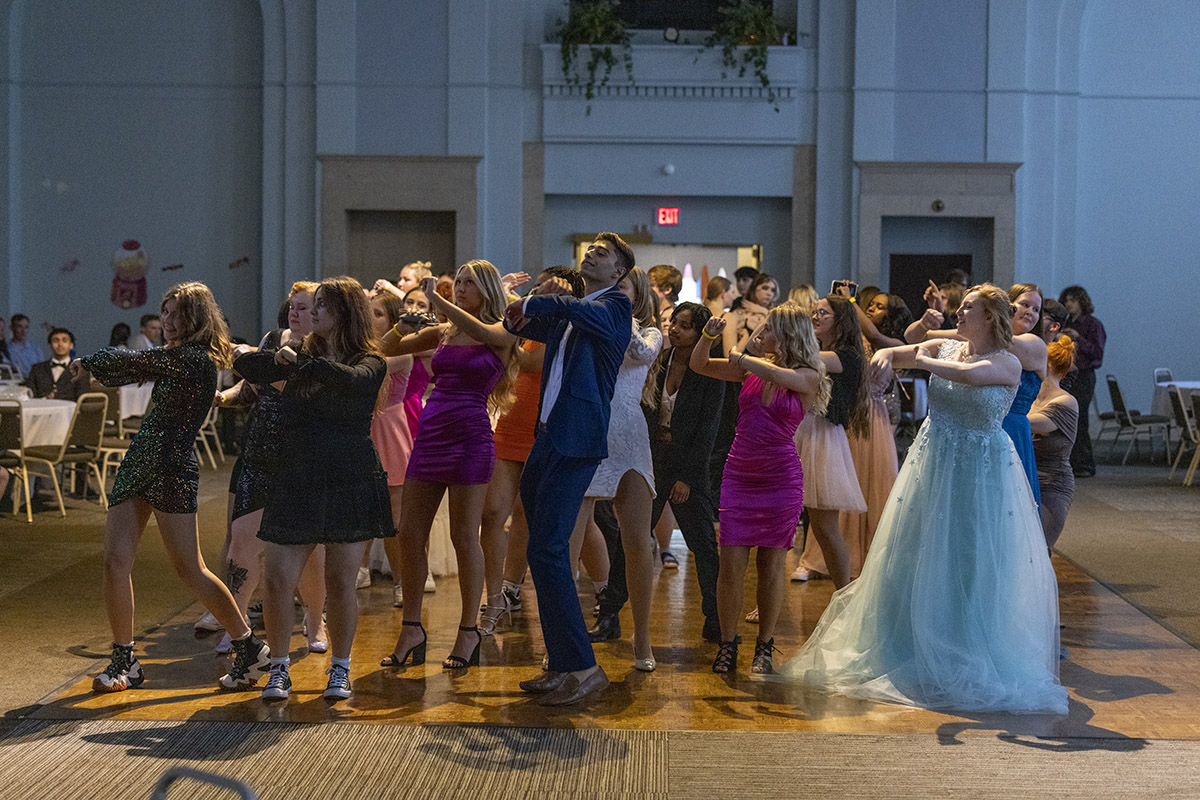
What Replaces Prom in College? Types of College Formal Events
So what replaces prom in college? Here are the main formal events you can expect at most universities:
Greek Life Formals
If you join a fraternity or sorority, formals are a major part of the social calendar. These are semi-formal or formal dances organized by individual Greek organizations, often held at off-campus venues like hotels, banquet halls, or event spaces. Many Greek life formals are weekend getaways to nearby cities or resorts, making them more elaborate than typical high school prom.
Homecoming Dances
Many colleges host homecoming events that include formal or semi-formal dances. These university formal dances are usually open to the entire student body and celebrate school spirit, often coinciding with big football games or alumni weekends.
Student Organization Formals
Academic clubs, honor societies, cultural organizations, and professional groups frequently host their own formal events. Engineering societies, business clubs, and pre-med organizations often throw elegant galas or banquets that double as networking opportunities.
University-Wide Galas
Some universities organize large-scale formal events like Winter Balls, Spring Formals, or End-of-Year Galas that are open to all students. These college gala events often feature live music, dancing, and sometimes even celebrity guest appearances.

Residence Hall Formals
Dorms and residential communities sometimes organize their own formal events to build community among residents. These tend to be more casual and affordable than other options, perfect for first-year students.
College Formal vs. High School Prom: Key Differences
While college formals share some similarities with prom, there are significant differences you should know about. Here’s a comprehensive comparison:
Quick Comparison Table
| Feature | High School Prom | College Formal |
|---|---|---|
| Frequency | Once per year | Multiple events per semester |
| Average Cost | $500-$1,000+ | $50-$300 |
| Date Required? | Often expected | Optional, groups common |
| Dress Code | Strict (floor-length gowns, tuxedos) | Flexible (cocktail dresses, suits) |
| Supervision | Heavily chaperoned | Minimal to none |
| Planning Intensity | High (promposals, limos) | Low (casual carpooling) |
| Venue | School gym or hotel ballroom | Hotels, event spaces, campus venues |
| Who Attends | Entire grade level | Specific organizations or open invitation |
Who You Go With: Date Culture
High School Prom: There’s often pressure to have a romantic “date” and the whole promposal culture makes finding a date feel like a requirement. Going alone can feel awkward.
College Formals: It’s completely normal (and common!) to go with a group of friends. There’s much less pressure to have a romantic date. Many students go solo or bring a friend from another school. The focus is on having fun together rather than romantic pairings. In fact, going with a friend group is often more fun and less stressful.
What to Wear to College Formal: Dress Code Flexibility
High School Prom: Think floor-length ball gowns and traditional tuxedos. The dress code is usually quite strict and formal. You might feel underdressed in anything less than a full-length gown.
College Formals: The dress code is broader and more flexible. A cocktail dress, formal jumpsuit, or even a nice midi dress is often perfectly acceptable. For guys, a well-fitted suit is standard, though tuxedos are less common. It’s more about looking sophisticated and feeling confident than following rigid “prom rules.” Always check with the organizing group for specific dress code requirements.
The Planning Process
High School Prom: Remember all that elaborate planning? The creative promposals, booking limos months in advance, coordinating matching outfits, organizing pre-parties with parents taking dozens of photos, and the whole pre-prom dinner tradition?
College Formals: Planning is significantly more relaxed. Transportation is usually rideshares, carpooling with friends, or just walking if the venue is close. The “pre-game” with friends is common, but it’s less about elaborate fanfare and more about hanging out before heading out. No parents snapping photos (though you’ll take plenty of your own for social media!). The whole experience feels more spontaneous and less orchestrated.
The Atmosphere and Freedom
High School Prom: Typically one big night for your entire class, heavily chaperoned by teachers and administrators, with a set schedule, planned activities, and strict end times (usually by midnight).
College Formals: Multiple formal events throughout the year hosted by different organizations, minimal to no supervision, more freedom to come and go as you please, and events that often extend into late-night after-parties. The vibe varies widely depending on the organization hosting—some are elegant networking events, others are dance parties, and some are somewhere in between.
How Much Does a College Formal Cost?
One important consideration is budgeting for college formal events. Here’s a typical cost breakdown:
- Tickets: £20-£100 (sometimes more for elaborate events with dinner included)
- Outfit: £50-£200 (or more if purchasing new)
- Hair/Makeup: £30-£100 (optional)
- Transportation: £10-£30 (rideshares, gas)
- Photos: Free (use your phone!) to £50 (professional photographers)
Total Average: £150-£300 per event
The good news? College formals are generally less expensive than high school prom, and you can reuse outfits for multiple events throughout the year.
Practical Tips for Attending Your First College Formal
Ready to experience your first college formal? Here’s how to make the most of it:
Budget Smart
College formals typically require purchasing tickets plus outfit costs. Here’s how to keep expenses manageable:
- Rent formal wear from services like Rent the Runway, Nuuly, or local shops for a fraction of retail cost
- Thrift shop for unique, affordable options at Goodwill, Plato’s Closet, or local consignment stores
- Swap with friends who have different events coming up
- Rewear strategically across different organizations—you’ll attend multiple formals, so invest in versatile pieces that can be styled differently
- DIY hair and makeup by watching YouTube tutorials or hosting a getting-ready party with friends
- Split transportation costs by carpooling with a group
Balance Networking and Fun
Here’s something high school prom didn’t prepare you for: many college formals, especially those tied to professional organizations, honor societies, or academic departments, are excellent networking opportunities. Strike a balance between having fun and making professional connections. Chat with that guest speaker, exchange contact info with club leaders and alumni, and introduce yourself to industry professionals, but don’t forget to hit the dance floor and enjoy yourself!
Embrace the Group Dynamic
One of the best parts of college formals is the group experience. Don’t stress about finding a romantic date—grab your friends and make it a squad outing. Group photos, shared transportation, coordinating (but not matching) outfits, and dancing together often creates more memorable moments than traditional date pressure. Plus, you’ll have more fun when you’re with people you’re comfortable around.
Check the Specifics
Always verify details with the organizing club or committee before the event:
- What’s the actual dress code? (Semi-formal vs. black tie vs. cocktail attire makes a big difference!)
- Where’s the venue and what time does it start and end?
- Are tickets required, and when’s the deadline to purchase?
- Is dinner included, or should you eat beforehand?
- What’s the age policy if alcohol is being served?
- Is there a theme you should incorporate into your outfit?
- What’s the refund policy if something comes up?
Don’t Overthink It
Unlike prom, which feels like a once-in-a-lifetime event with enormous pressure to be perfect, you’ll have multiple opportunities to attend formals throughout your college years. If the first one isn’t exactly what you expected, there’s always the next one. This takes the pressure off and lets you actually relax and enjoy yourself. Think of it as practice for future formal events, weddings, and professional galas you’ll attend in your adult life.
Safety First
Remember these safety tips:
- Stay with your group and establish a buddy system
- Never leave drinks unattended and watch them being made
- Arrange safe transportation home before the event
- Share your location with trusted friends
- Know the venue’s exit locations and emergency procedures
- Have phone numbers for campus security or local rideshare services
15 Most Popular Types of College Formal Events
Here’s a comprehensive list of formal events you might encounter during your college experience:
- Sorority/Fraternity Formals – Organization-specific dances, often the most elaborate
- Homecoming Dances – School-wide celebrations of tradition and spirit
- Winter Ball/Snow Ball – Holiday-themed formal events
- Spring Formal – End-of-year celebrations
- Military Ball – For ROTC students and military-affiliated organizations
- Honor Society Galas – Academic achievement celebrations
- Cultural Organization Formals – Celebrating heritage and community
- Academic Department Banquets – Business school galas, engineering formals, etc.
- Athletic Team Formals – For varsity and club sports teams
- Student Government Balls – Leadership organization events
- Residence Hall Formals – Dorm community building events
- Charity Galas – Fundraising events with formal dress codes
- International Student Formals – Cross-cultural celebration events
- Graduate Student Mixers – Professional networking with formal elements
- Senior Ball – Graduating class celebration (the closest to a traditional prom)
No matter what types of college formal events you will attent, you will get the unique cocktail dress, formal party dresses online from Happyprom.

Frequently Asked Questions About College Formals
Do any colleges have actual proms?
Very few colleges use the term “prom,” but most universities have formal dances and events that serve the same social function. Some schools host events called “Senior Ball” or “Graduation Ball” that closely resemble traditional prom. The main difference is that college formal events happen multiple times throughout the year and are organized by different groups rather than being one school-wide event.
How much does a college formal typically cost?
College formal ticket prices range from $20 to $100 or more, depending on the organization and venue. When you factor in outfit costs, transportation, and other expenses, most students spend between $150-$300 per event. However, this is generally less expensive than high school prom, and you can reuse your formal wear for multiple events throughout the year.
Can you go to a college formal alone?
Absolutely! Many students attend college formals solo or with a group of friends rather than a romantic date. There’s significantly less pressure to bring a date compared to high school prom. Going with friends or solo is completely normal and often more fun because you have the freedom to mingle and dance with different people throughout the night.
What should I wear to a college formal?
For women, cocktail dresses, formal jumpsuits, midi dresses, or floor-length gowns are all appropriate depending on the specific dress code. For men, a suit with dress shoes is standard, though some events may call for tuxedos. Always check with the organizing committee about the specific dress code—it can range from “semi-formal” to “black tie.” When in doubt, it’s better to be slightly overdressed than underdressed.
How often do college formals happen?
Unlike high school where prom happens once a year, college students typically have access to multiple formal events each semester. Depending on your involvement in Greek life, clubs, and organizations, you could attend anywhere from 2-10 formal events per year. This gives you plenty of opportunities to enjoy these social experiences without the pressure of a single “once-in-a-lifetime” event.
Are college formals only for Greek life?
No! While Greek organizations do host many formal events, there are numerous non-Greek formal events available to all students. Homecoming dances, residence hall formals, academic honor society galas, cultural organization events, and university-wide balls are all open to students regardless of Greek affiliation. Most campuses offer a variety of formal events for different interests and communities.
Do I need a formal dress or can I rent one?
Renting formal wear is extremely common and practical for college students! Services like Rent the Runway, Nuuly, and local formal wear shops offer affordable rental options. Since you’ll likely attend multiple formals during college, renting allows you to wear different styles without breaking your budget. Many students also thrift formal wear or borrow from friends.
What’s the difference between semi-formal and formal dress codes?
Semi-formal (also called cocktail attire) typically means cocktail dresses, dressy separates, or suits. For women, knee-length to midi dresses are appropriate. For men, a suit with a tie is standard. Formal (or black tie optional) means floor-length gowns or very dressy cocktail dresses for women and tuxedos or dark suits for men. Black tie specifically requires floor-length gowns and tuxedos. Always check the invitation for clarification.
Conclusion: College Formals Are Better Than Prom
So, do colleges have prom? Not in the traditional high school sense—but what universities offer is even better. College formals are more mature, less stressful, more frequent, and incredibly varied depending on who’s organizing them. Whether you’re dancing at a Greek life formal in a downtown hotel, networking at an honor society gala, or celebrating with your residence hall community, these events offer unique opportunities to dress up, socialize, create lasting memories, and develop social skills that will serve you well beyond college.
The best part? You’re not limited to just one magical night with months of buildup and pressure. Throughout your four years, you’ll have countless chances to experience different types of formal events, each with its own flavor, vibe, and community. You can experiment with different styles, attend with different friend groups, and find the types of events that best match your personality and interests.
College formals offer the elegance and fun of prom without the intense pressure, rigid rules, and one-time-only stress. They’re opportunities to celebrate achievements, strengthen friendships, network professionally, and simply enjoy yourself in a sophisticated setting. Embrace these experiences—they’re some of the most memorable moments of your college journey.
What was your favorite college formal event? Share your stories, tips, and pictures in the comments below! Or if you’re an incoming freshman, which type of college formal are you most excited to attend? Let us know!
You may also interested in:
How Do You Choose the Perfect Formal Dress Without Compromising on Comfort?
Quinceañera vs Sweet 16: Celebrating the Journey to Womanhood

Great article! Thanks for sharing these details.