
Why Bridesmaid Dress Fabrics Matters: More Than Just Looks
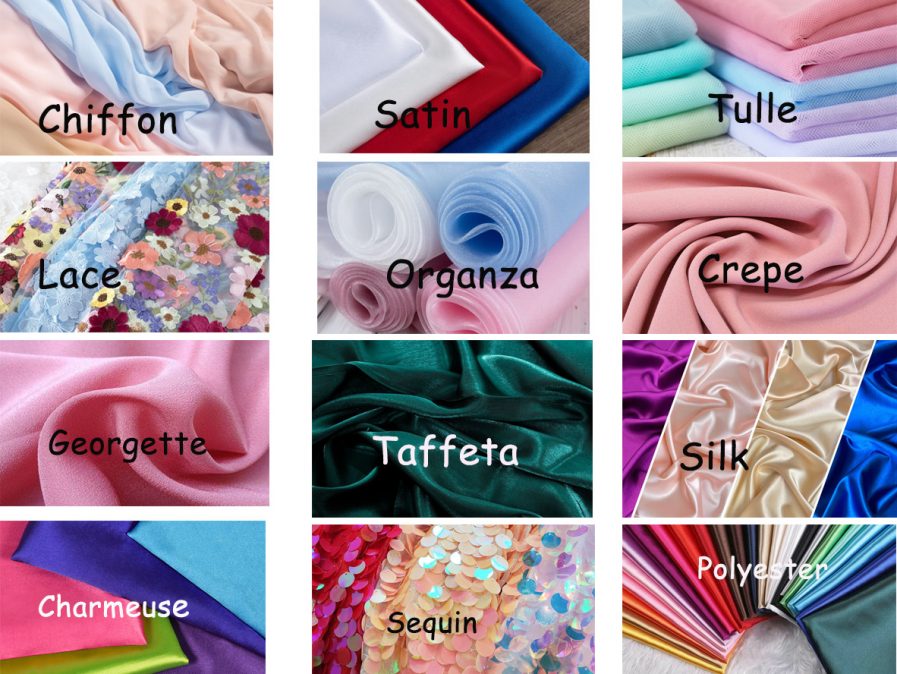
Bridesmaid dress fabrics are more than just material—it’s the foundation of your bridal party’s comfort, style, and confidence. The right fabric determines everything from drape and sheen to breathability and how your bridesmaids will feel throughout your wedding day. Choose wisely, and your bridal party will look stunning in photos and feel comfortable from ceremony to reception. Choose poorly, and you’ll have bridesmaids struggling with wrinkles, overheating, or restrictive movement.
The key to selecting the best bridesmaid dress fabrics lies in understanding how different materials complement your venue, season, and overall wedding aesthetic. A heavy velvet gown creates drama at a winter ballroom wedding but would be unbearable at a summer beach ceremony. Similarly, delicate chiffon flows beautifully outdoors but might feel too casual for a black-tie evening event.
In this comprehensive bridesmaid fabric guide, we’ll break down the best materials by weight, texture, and seasonality to help your bridal party look amazing and feel even better.
Quick Reference: Bridesmaid Dress Fabric Comparison
-$$-$$
| Fabric | Best Season | Formality Level | Price Range | Wrinkle Resistance | Breathability |
|---|---|---|---|---|---|
| Chiffon | Spring/Summer | Semi-formal to Formal | $$ | Medium | Excellent |
| Velvet | Fall/Winter | Formal to Black-tie | $$$ | High | Poor |
| Satin | Year-round | Formal to Black-tie | Low | Poor | |
| Crêpe | Year-round | Modern/Formal | $$ | High | Good |
| Tulle | Spring/Summer | Romantic/Playful | $ | High | Excellent |
| Jersey Knit | Year-round | Casual to Semi-formal | $ | Excellent | Good |
| Lace | Year-round | Romantic/Vintage | Medium | Varies | |
| Taffeta | Fall/Winter | Formal/Vintage | $$ | Medium | Poor |
Price Range: $ = Budget-friendly | $$ = Moderate | $$$ = Premium | $$$$ = Luxury
Luxurious & Structured Bridesmaid Dress Fabrics for Formal Weddings
These bridesmaid dress materials offer rich texture, structure, and opacity, making them ideal for black-tie affairs, winter celebrations, or evening weddings where sophistication and warmth are priorities.
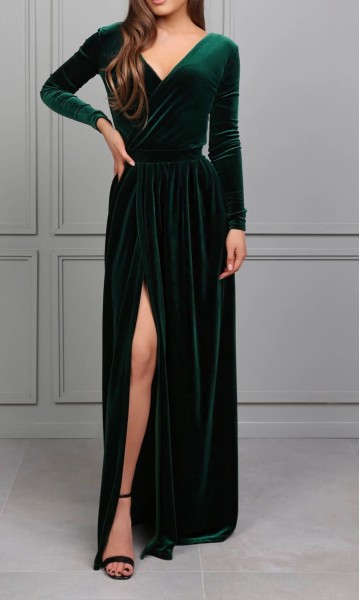
Velvet Bridesmaid Dresses: Luxury and Warmth
There’s nothing quite like the plush, soft, and substantial feel of velvet bridesmaid dresses. This luxurious fabric practically radiates elegance and is perfect for fall weddings, winter ceremonies, holiday celebrations, or highly formal evening events. Velvet offers incredible depth of color that photographs beautifully, with rich texture that adds dimension to any silhouette. It’s also wonderfully warm, making it a practical choice for cold-weather celebrations.
However, keep in mind that velvet can be very warm, which might be uncomfortable if your reception venue is overheated. It can also appear bulky if not cut properly, and it requires dry cleaning. But for the right setting, velvet bridesmaid dresses create an unforgettable, luxurious statement that your bridal party will treasure.
Silk & Satin Bridesmaid Dresses: Classic Elegance
When discussing silk and satin bridesmaid dress fabrics, it’s important to understand the distinction. Silk is a natural fiber that’s breathable and expensive, while satin refers to a weave structure that can be made from polyester, rayon, or silk. Both offer smooth texture with high sheen and excellent drape.
These fabrics are perfect for formal, elegant, and black-tie weddings. Satin bridesmaid dresses provide gorgeous drape that moves beautifully, photographic sheen that catches the light perfectly, and timeless elegance that never goes out of style. The main drawbacks are that these materials show every wrinkle and imperfection (especially stretch satin), and they can be quite hot. If you choose satin or silk bridesmaid dresses, make sure your bridal party has access to steaming equipment and consider the temperature of your venue.

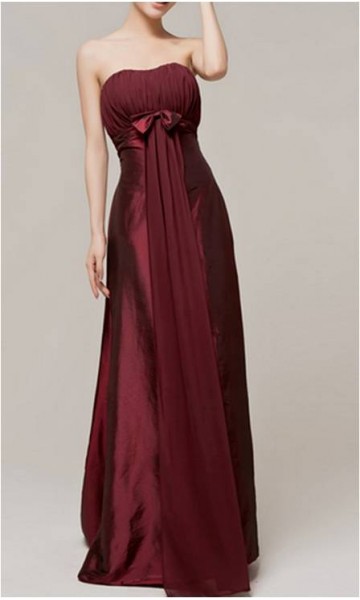
Brocade & Taffeta: Structured Formal Fabrics
For brides seeking high fashion looks or vintage themes, brocade and taffeta are excellent bridesmaid dress fabric choices. These materials feel stiff and structured, holding their shape beautifully. Brocade often features woven patterns that add an extra layer of visual interest.
These fabrics are ideal for structured silhouettes like A-line or ballgown skirts. They create volume, hide undergarment lines, and deliver a sophisticated look that photographs dramatically. The trade-offs include a rustling noise when moving and heavier weight. But if you’re going for dramatic, structured elegance, these formal bridesmaid dress fabrics deliver.
Light & Breathable Fabrics for Summer and Outdoor Weddings
These bridesmaid dress materials are flowy, breathable, and perfect for outdoor celebrations, beach weddings, or summer ceremonies where comfort and movement are essential.
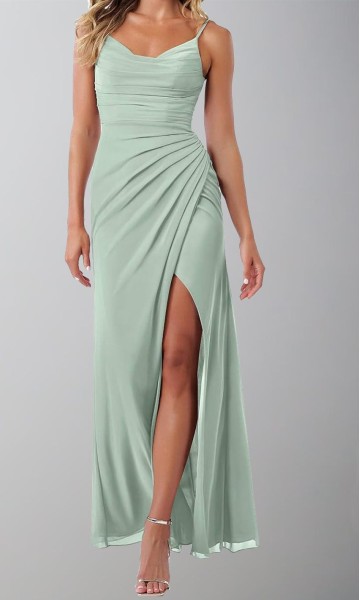
Chiffon Bridesmaid Dresses: The Most Popular Choice
Chiffon is beloved for good reason and remains the most popular bridesmaid dress fabric. This lightweight, sheer, and delicate material feels soft to the touch and is perfect for spring weddings, summer celebrations, destination ceremonies, and outdoor venues. Chiffon bridesmaid dresses offer incredible movement and drape that’s very forgiving on different body types, making it one of the most versatile options available.
Chiffon is breathable and easily layered, often seen in double or triple layers to create beautiful depth without adding weight. The main considerations are that it can snag easily and generally requires lining due to its sheerness. Despite these minor drawbacks, chiffon remains a top choice for warm-weather weddings and is considered the best bridesmaid dress fabric for summer.
Tulle Bridesmaid Dresses: Romantic and Whimsical
Tulle features a light, stiff mesh structure that creates romantic, fairytale, or playful looks. It’s generally used as an overlay for skirts, adding an ethereal quality to bridesmaid dresses. Tulle adds volume without weight, creating that dreamy, floating effect while remaining budget-friendly.
The potential downsides include itchiness if not lined properly and a tendency to catch and tear easily. Make sure any tulle bridesmaid dresses are properly constructed with soft linings to keep your bridal party comfortable throughout the celebration.

Crêpe Bridesmaid Dresses: Modern Matte Drape
For brides seeking a modern, minimalist, or architectural aesthetic, crêpe is an excellent bridesmaid dress fabric. This material has a slightly rough or crinkled texture with an excellent matte drape. It’s particularly well-suited for warmer climates where you want a flowy look without the sheen of satin.
Crêpe doesn’t wrinkle much, making it easy to move in and travel with—ideal for destination weddings. It also hides imperfections better than satin, offering a forgiving fit. Care requirements can vary depending on whether it’s silk crêpe or polyester crêpe, so check the care instructions before committing. Crêpe bridesmaid dresses work beautifully year-round.

Versatile Bridesmaid Dress Fabrics: The Perfect Middle Ground
These bridesmaid dress materials strike the perfect balance between comfort, versatility, and moderate pricing, making them excellent all-around choices for various wedding styles.
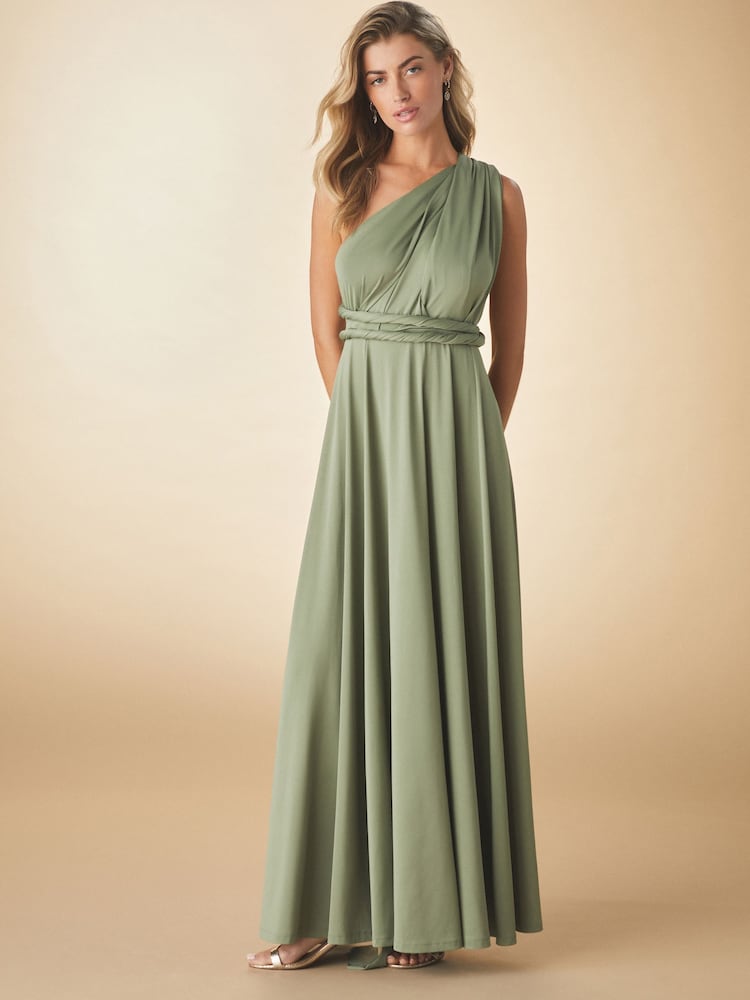
Jersey Knit Bridesmaid Dresses: Maximum Comfort
Jersey knit feels stretchy, soft, and comfortable—like your favorite T-shirt, but in a finer, more refined version. This bridesmaid dress fabric is perfect for casual celebrations, bohemian weddings, or comfortable maternity styles and works year-round. Jersey is wrinkle-resistant, making it the best bridesmaid dress fabric for travel, extremely comfortable for all-day wear, and affordable.
The main consideration is that jersey clings to the body, so it requires proper undergarments and may not be the best choice for bridesmaids who prefer more structured, forgiving silhouettes. But for comfort-focused celebrations, jersey knit bridesmaid dresses are hard to beat.
Lace Bridesmaid Dresses: Timeless Texture
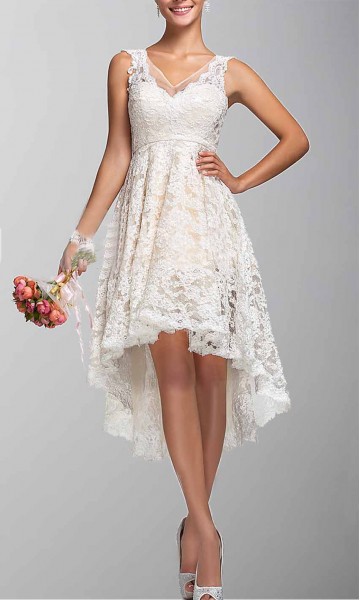
Lace adds delicate, intricate beauty and texture to bridesmaid dresses. It’s perfect for bohemian weddings, vintage themes, or romantic celebrations and is often used as an overlay or for sleeves and bodices. Lace adds instant romance and detail to any dress, and it can be combined with almost any base fabric like satin or chiffon for endless styling possibilities.
Keep in mind that lace can be expensive, especially high-quality versions, and care instructions vary widely depending on the type. But for the visual impact and romantic feel it provides, many brides find lace bridesmaid dresses worth the investment.
Polyester Blends: Budget-Friendly Options
While rarely used alone, polyester is the base of most satins and chiffons you’ll encounter in bridesmaid dresses. It’s the practical choice for budget-friendly options, durability, and travel. Polyester bridesmaid dress fabrics are affordable, very durable, colorfast (holds dye well), and resist wrinkling.
The downsides are that polyester isn’t breathable, which can feel hot, and it offers less luxurious drape than natural fibers. However, modern polyester blends have come a long way, and when properly constructed, they can look surprisingly elegant while keeping costs manageable.
How to Choose Bridesmaid Dress Fabric: Your Complete Checklist
Don’t choose bridesmaid dress fabric purely by how it looks in a photo—always request fabric swatches! Here’s your quick checklist for making the final decision:
- Season: Choose heavy fabrics like velvet, brocade, or satin for cold weather weddings. Opt for light bridesmaid dress fabrics like chiffon, crêpe, or tulle for warm weather celebrations.
- Venue: Structured fabrics work beautifully in grand ballrooms and formal settings, while flowy fabrics are perfect for barns, gardens, and beach weddings.
- Budget: Natural fibers like silk and high-end lace cost more than blends like polyester and poly-satin. Be honest about your budget from the start.
- Body Types: Choose forgiving fabrics like chiffon or crêpe that drape well. Avoid clingy materials unless your entire bridal party is comfortable with form-fitting styles.
- Climate & Weather: Consider both the ceremony and reception venues. Outdoor summer weddings need breathable bridesmaid dress fabrics, while indoor winter celebrations can handle heavier materials.
- Comfort: Prioritize comfort so your bridesmaids can actually enjoy the day! Happy bridesmaids make for better photos, more energy on the dance floor, and cherished memories for everyone involved.
Frequently Asked Questions About Bridesmaid Dress Fabrics
What is the best fabric for bridesmaid dresses?
Chiffon is widely considered the best overall bridesmaid dress fabric because it’s lightweight, breathable, flattering on all body types, and works well for spring and summer weddings. For formal winter weddings, velvet or satin are excellent choices. The “best” fabric ultimately depends on your wedding season, venue, and formality level.
What is the most comfortable bridesmaid dress fabric?
Jersey knit is the most comfortable bridesmaid dress fabric due to its stretch and softness. Chiffon is a close second, offering excellent breathability and movement without feeling restrictive. For cooler weather, crêpe provides comfort with a more structured drape.
What fabric doesn’t wrinkle for bridesmaid dresses?
Jersey knit and crêpe are the most wrinkle-resistant bridesmaid dress fabrics, making them ideal for destination weddings or travel. Polyester blends also resist wrinkling well. Avoid pure silk and satin if wrinkle resistance is a priority, as these materials show every crease.
Is chiffon or satin better for bridesmaid dresses?
Chiffon is better for warm weather, outdoor weddings, and when you want a flowy, forgiving silhouette. Satin is better for formal, black-tie weddings where you want elegant sheen and structure. Chiffon is more comfortable and breathable, while satin photographs with more drama and luxury.
What is the best bridesmaid dress fabric for summer weddings?
Chiffon is the best bridesmaid dress fabric for summer weddings due to its lightweight, breathable nature and beautiful movement. Tulle and lightweight crêpe are also excellent summer options. Avoid heavy fabrics like velvet, thick satin, or taffeta for warm-weather celebrations.
What is the best bridesmaid dress fabric for winter weddings?
Velvet is the best bridesmaid dress fabric for winter weddings, offering warmth and luxury. Satin, brocade, and heavier crêpe are also excellent winter choices. These fabrics photograph beautifully in low light and keep your bridal party warm during cold-weather ceremonies.
How do I choose bridesmaid dress fabric by body type?
For diverse body types, choose forgiving fabrics with good drape like chiffon, crêpe, or soft jersey. Avoid stiff fabrics like taffeta or clingy materials like stretch satin unless your entire bridal party is comfortable with these. Fabrics with some structure but flexibility work best for mixed body types.
Are polyester bridesmaid dresses good quality?
Modern polyester bridesmaid dresses can be good quality when properly constructed. Most “chiffon” and “satin” bridesmaid dresses are actually polyester blends. While not as luxurious as natural fibers, quality polyester fabrics are durable, affordable, wrinkle-resistant, and hold color well—making them practical for bridal parties.
What bridesmaid dress fabric is best for pregnant bridesmaids?
Jersey knit is the best bridesmaid dress fabric for pregnant bridesmaids due to its stretch and comfort. Chiffon with empire waists also works well. Look for fabrics with drape and give rather than structured, form-fitting materials. Avoid anything too clingy or restrictive.
Should I order fabric swatches before choosing bridesmaid dresses?
Yes, always order fabric swatches before committing to bridesmaid dresses. Photos can be misleading about texture, weight, and true color. Swatches let you feel the quality, test how the fabric drapes, and see how it looks in your wedding venue’s lighting. Most retailers offer free or low-cost swatch samples.
Final Thoughts: Finding Your Perfect Bridesmaid Dress Fabric
Remember, the perfect bridesmaid dress fabric balances your aesthetic vision with practical considerations like season, venue, comfort, and budget. When your bridal party feels comfortable and confident in their dresses, it shows in every photograph and every moment of your celebration.
The most important step? Request those fabric swatches, feel them in person, and imagine your bridesmaids wearing them throughout your entire wedding day—from getting ready photos through the last dance. The right bridesmaid dress material will make everyone look stunning while feeling their best.
Ready to start shopping? Use this guide as your reference, narrow down your top fabric choices by season and venue, and don’t hesitate to mix textures (like lace overlays on chiffon) for a unique look that’s perfectly suited to your wedding vision.
You may also interested in:
