
Picture the classic bridesmaid line-up: six people in identical stiff chiffon, all in the same shade of dusty pink, all quietly counting the hours until they can get out of it. Now picture the alternative: a bridal party in a soft, considered palette, each person wearing something that suits her, feels good, and looks like it belongs at a great party rather than a costume fitting.
Let’s be honest: no bridesmaid actually wants to spend hundreds of pounds on a stiff chiffon gown that will sit in the back of their wardrobe for the next decade. Modern UK brides are officially ditching the cookie-cutter “bridal party uniform” in favour of fashion-forward silhouettes, rich textures, and rewearable designs. Whether you’re planning a relaxed pub wedding, an outdoor barn celebration, or a sleek London city-hall ceremony, choosing bridesmaid dresses that don’t look like classic bridesmaid dresses is the ultimate win-win—your favourite people get to feel like themselves, and you get an effortlessly cool, Pinterest-worthy bridal party aesthetic.
Bridesmaids are already spending on hen dos, travel, shoes and gifts. A dress that ends up at the back of the wardrobe is the last thing anyone needs. This guide covers the styles worth considering, how to make a mismatched party look deliberate, where to shop in the UK, and how to keep everything cohesive without forcing a single silhouette on everyone.
The Quick Answer: What Are Non-Traditional Bridesmaid Dresses?
Non-traditional bridesmaid dresses are pieces that don’t look like classic “bridesmaid dresses” and can be worn again as ordinary occasion wear. Think satin slip dresses, tailored jumpsuits, co-ord separates, printed midis and asymmetric hemlines, often in a shared colour palette rather than one identical dress.
Why brides choose them:
- Rewearability: they work for weddings, parties and dinners long after the big day
- Comfort and confidence: bridesmaids can choose a cut that suits their body and style
- Fairer on budgets: more price points, plus rental and pre-loved options
- A modern, editorial look: better in photos that feel current rather than dated
Why the “Cookie-Cutter” Look Is Fading
Identical dresses made sense when the goal was uniformity. But every bridesmaid has a different shape, height, skin tone and sense of style, and one silhouette rarely flatters everyone equally. The person who loves a plunging neckline is squeezed into a high neck; the one who lives in trousers is forced into a floor-length skirt.
There’s a practical side too. Ordering the same dress for five or six people across different cities means sizing headaches, alterations and delivery deadlines. Letting each person choose within a defined palette or fabric family removes most of that stress.
If you’re still weighing up your options, our complete bridesmaid dress guide covers colours, fits and budgeting in more depth. Below, we’re focusing on the styles that break the mould.

5 Effortless Silhouettes Your Bridesmaids Will Actually Wear Again
The secret to choosing bridesmaid dresses that don’t look like traditional bridal party attire comes down to silhouette and structure. Heavy boning, stiff satin, and floor-sweeping chiffon trains immediately scream “bridesmaid.” To keep things elevated, contemporary, and genuinely rewearable, steer your party toward these four standout styles instead.
1. The 90s Satin Slip
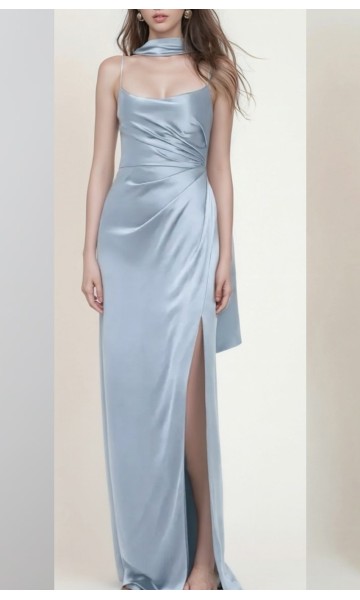
If there’s one style that captures the shift away from traditional bridesmaid dresses, it’s the satin slip. Clean lines, a fluid drape and minimal detailing mean it looks effortlessly elegant on the day and easy to restyle later.
Why it works:
- Flatters a wide range of shapes because the fabric skims rather than clings
- Photographs beautifully, especially in richer colours like olive, terracotta or deep champagne
- Dresses up with strappy heels and statement earrings, or down with an oversized blazer, trainers or a chunky knit
Styling tip: Choose a length just below the knee or a true midi for versatility. Very long slips are harder to rewear casually. Shop the dusty blue satin slip bridesmaid dress
2. Tailored Jumpsuits
A well-cut jumpsuit is one of the most underrated bridesmaid options. It’s practical (no wardrobe worries when you’re dancing, climbing into cars or chasing flower girls) and it looks decidedly fashion-forward.
What to look for:
- Wide-leg or straight-leg cuts that move well
- Fabrics with weight and drape, like crepe or satin-backed crepe, rather than thin, clingy materials
- Adjustable straps or a wrap-style bodice for a better fit
Jumpsuits also suit bridesmaids who simply don’t feel like themselves in a dress, which is worth remembering when you want everyone to feel comfortable.
3. Chic Separates and Co-ords
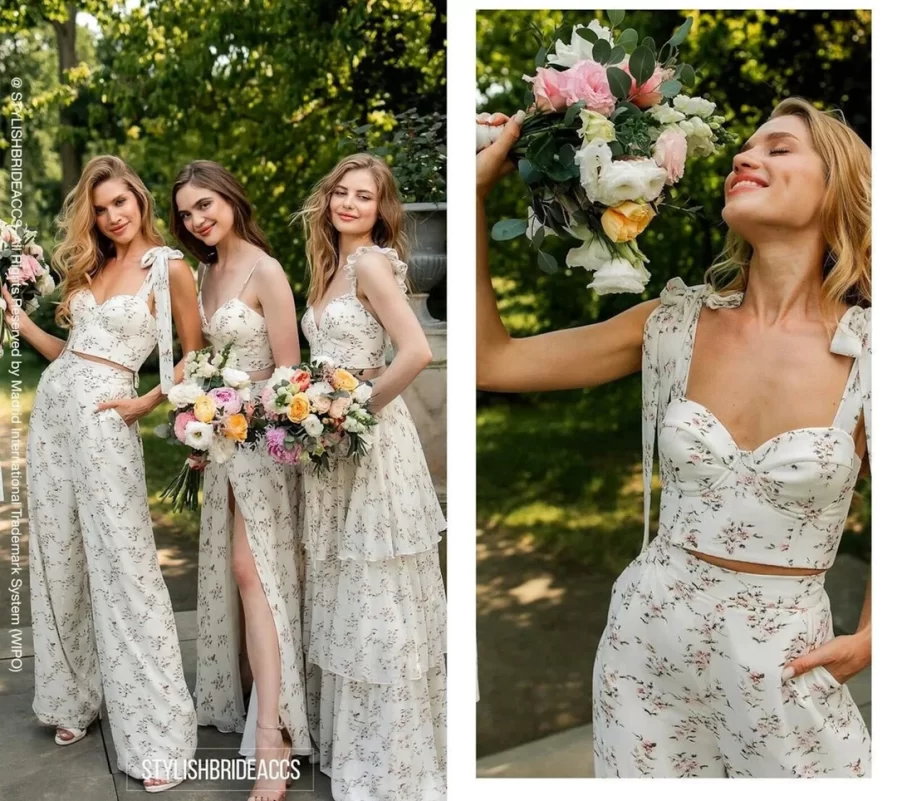
Separates give bridesmaids the most flexibility. A matching top and skirt, a co-ord set, or trousers paired with a statement blouse can create a polished, modern look and each piece can be worn separately again.
Ideas to try:
- A satin midi skirt with a fitted bodysuit or cami
- Tailored trousers and a bow-back or off-shoulder top
- A co-ord set in a shared colour for a cohesive but non-identical look
This is also the easiest way to handle different sizes: someone can be a different size on top and bottom without expensive alterations.

4. Printed and Bold Florals
Solid pastels have dominated bridesmaid style for years, but printed fabrics are having a moment. Vintage-inspired ditsy florals, painterly watercolour prints and rich, moody botanicals add personality and character.
How to make prints work:
- Keep the print family consistent (all florals, or all in the same colourway) if you want a cohesive look
- Let the bride’s flowers echo colours in the print
- Mix one or two printed dresses with solid dresses in a complementary shade for a curated, layered effect
Prints are particularly good for spring and summer weddings, or for autumn celebrations when deeper florals feel right for the season.
5. Midi and Asymmetric Hemlines
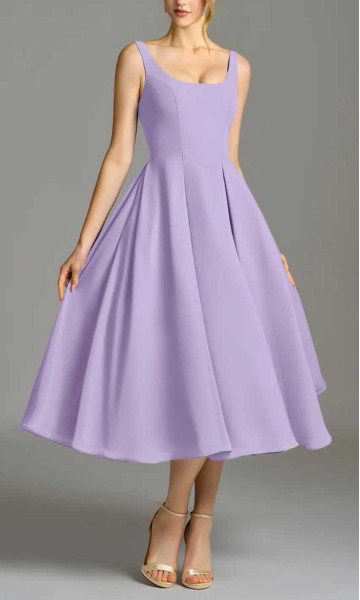
Floor-length isn’t the only way to look formal. A midi hemline feels current, is easy to dance in and instantly looks more “party” than “pageant”. Asymmetric hemlines add movement and a little drama without the fuss of a train.
Why they’re practical:
- Less fabric to trip over, particularly on grass, cobbles or a village church path
- Easier to wear again with flats, boots or heels
- Great for outdoor and garden weddings, which are hugely popular in the UK
If your wedding is at a venue with lots of walking, uneven terrain or unpredictable weather, a midi is often the most sensible choice.
Shop the style: midi lavender chiffon bridesmaid dress with scoop neckline
Styling Trends to Try
The Mismatched Look
Rather than choosing one dress, choose a colour palette and let bridesmaids pick their favourite cut within it. A few palette ideas that work well:
- Olive green, sage and moss for a natural, garden-inspired feel
- Terracotta, rust and burnt orange for autumn warmth
- Champagne, oyster and soft gold for a neutral, timeless look
- Deep navy, slate blue and dusty blue for a cool, elegant palette
Not sure which shades will suit everyone? Our guide to finding your skin undertone is a helpful shortcut when a palette needs to flatter a whole group, and our winter bridesmaid colour ideas are useful if you’re planning a colder-season wedding.
Textural Contrast
If everyone is wearing a different cut, texture is what makes the group feel intentional. Mixing matte fabrics like crepe with liquid satin, delicate lace or subtle pleating adds depth without introducing extra colour.
The rule of thumb: stay in the same colour family, but vary the fabric. A row of bridesmaids in satin, crepe, soft pleats and a touch of lace in the same shade of green looks layered and considered. It rarely looks accidental.
Traditional vs Non-Traditional Bridesmaid Dresses: A Quick Comparison
| Traditional matching dresses | Non-traditional / mismatched | |
|---|---|---|
| Look | Uniform, formal | Individual, fashion-led |
| Rewearability | Often low | High |
| Comfort and fit | One cut for everyone | Each person chooses what suits her |
| Ordering | One order, one deadline | Individual orders (more coordination) |
| Photos | Consistent, classic | Editorial, natural, layered |
| Best for | Very formal or highly traditional weddings | Modern, relaxed or fashion-conscious weddings |
Neither approach is “right”. A formal cathedral wedding might call for a more uniform look, while a garden party or city-centre venue can carry a relaxed, mixed style beautifully.
Where to Shop: UK Brands and Retailers to Explore Non-traditional Bridesmaid Dresses
This isn’t an exhaustive list, but it’s a useful starting point for different budgets and styles. Stock, sizing and ranges change often, so check each retailer’s current collection before you commit.
Contemporary Bridal Brands
If you’d like something designed specifically for bridal parties (with colour ranges, made-to-measure sizing or consistent shades across styles), look at brands such as Rewritten, Maids to Measure, Pretty Lavish and Happyprom UK. These are handy when you want a cohesive palette and reliable colour matching across different silhouettes.
High-Street and Occasionwear Labels
For pieces that don’t scream “bridesmaid” and are easy to wear again, browse occasionwear labels including Ghost, Rixo, Whistles, Coast and Monsoon. These are good for slip dresses, printed midis and separates, and many bridesmaids will already know how they fit.
Rental and Sustainable Options
If you’d like to reduce cost and waste, rental is an increasingly popular choice for bridal parties. Platforms such as HURR and By Rotation let you borrow or rent designer and high-street pieces rather than buy outright. It’s a smart option for bridesmaids who wouldn’t normally spend on a designer piece and for weddings where a dress is only going to be worn once.
Rental tips:
- Order well ahead of the wedding date, and check return deadlines and cleaning policies
- Ask about backup sizes if a dress doesn’t fit
- Remind everyone that rental items still need careful handling (no red wine near the satin!)
Buying vs. Renting Prom Dress: Which One Actually Makes Sense for You?
How to Keep a Mismatched Bridal Party Cohesive
Giving your bridesmaids the freedom to choose their own dresses is a great way to ensure everyone feels confident and comfortable. However, there is a fine line between an effortlessly curated bridal party and a group that looks like they accidentally showed up to the same party in completely unrelated outfits.
To achieve that sought-after “intentionally styled” look, follow these five golden rules:
1. Anchor the Group with a Strict Colour Palette
Giving a vague instruction like “just wear green” will result in everything from sage to neon lime. Instead, create a tight, 3-to-4 shade palette using fabric swatches or a digital mood board.
- Monochromatic: Pick one core shade (e.g., olive) and let your party pick different tones from light to dark.
- Tonal Complementary: Pick a harmonious blend of warm neutrals—like champagne, terracotta, blush, and rust.
2. Pick One Common Design Element
If every single aspect of the dresses is different—fabric, color, pattern, and length—the group will lose visual harmony. Keep at least one core variable fixed across all dresses:
- Same Fabric, Different Styles: Everyone wears liquid satin, but in whatever silhouette suits their body best.
- Same Silhouette, Different Tones: Everyone wears a 90s bias-cut midi dress, but in varied complementary shades.
- Same Length: Keep all hemlines uniform (e.g., all floor-length or all midi) even if the necklines and colors differ.
3. Balance Prints with Solid Colors
If you love the idea of patterned or floral dresses, avoid putting everyone in a heavy print, which can look chaotic in group photos. A good ratio is 1 print for every 2–3 solid dresses. Pull the solid dress colors directly from the accent shades inside the patterned fabric so the whole palette feels connected.
4. Unify the Look with Accessories & Styling
Shared styling elements act as the thread that ties mismatched dresses together. You don’t need exact matching sets, but subtle cohesion makes a huge difference:
- Bouquets: Keep the floral arrangements identical across all bridesmaids to pull the colors together.
- Footwear & Jewellery: Agree on a unifying tone, such as all gold jewelry or all nude/metallic heels.
- Hair & Beauty: A similar hair vibe—like soft, undone waves—helps maintain a cohesive aesthetic.
5. Preview the Group Layout Before Buying
Before your bridesmaids hit “order,” assemble a digital collage (using tools like Canva or Pinterest) or line up photos of the dresses side by side. Seeing the outfits together in advance makes it easy to spot if one dress sticks out too much or if the colors clash on camera.
Non Traditional Bridesmaid Dresses Frequently Asked Questions
Yes. Mismatched bridesmaid dresses are now very common at UK weddings. The key is to choose a shared colour palette (and ideally a consistent length or fabric family) so the group still looks coordinated.
Tailored jumpsuits, co-ord sets and separates such as a satin skirt and top are all popular alternatives. They’re comfortable, easy to rewear and look modern in photos.
Absolutely. A well-cut jumpsuit in a dressy fabric like crepe or satin looks polished and works for formal and relaxed weddings alike. Choose a fabric with some weight and a flattering, adjustable fit.
If you want a unified look without sticking to traditional gowns, select a single color palette or fabric finish (like bias-cut satin or crepe) and allow each bridesmaid to choose their own neckline or silhouette—such as a halter, wrap, or square-neck midi—that flatters their frame best.
Yes. Platforms like HURR and By Rotation offer designer and high-street rental, which can be a cost-effective and sustainable choice, especially for dresses that would only be worn once.
High-street and contemporary fashion brands restock and change seasonal collections far faster than traditional bridal boutiques. If you are buying from brands like Rixo, Ghost, or Pretty Lavish, purchase dresses 3 to 6 months in advance to secure sizes before seasonal drops sell out, leaving enough time for minor alterations if needed.
Yes, provided you set clear budget expectations early. In the UK, tradition often dictates that the bride covers dress costs, but if you choose a truly versatile, rewearable piece (or allow them to pick a dress they love and will wear again), many bridesmaids are happy to contribute or purchase the dress outright. Alternatively, suggest rental platforms like HURR or By Rotation for budget-friendly luxury options.
Final Thoughts: Let Your Bridesmaids Look (and Feel) Like Themselves
The best bridal parties aren’t the ones where everyone looks identical. They’re the ones where everyone looks great, feels comfortable and has a dress they’ll happily wear again.
Stepping away from traditional, uniform bridesmaid dresses isn’t just a trend—it’s a thoughtful way to celebrate your favorite people’s individuality while keeping your wedding styling elevated and personal. By focusing on rewearable silhouettes, high-street and contemporary UK labels, and a carefully curated color palette, you ensure your bridal party feels comfortable, confident, and genuinely excited about what they are wearing.
At the end of the day, when your bridesmaids feel like themselves, it shows in every single wedding photo. Your bridesmaids (and their wardrobes) will thank you.
Your turn: Are you leaning towards a classic matching look or something more fashion-led? Tell us in the comments which non-traditional style you’d choose for your bridal party. We’d love to hear your favourite looks and any tips from weddings you’ve been to.
Ready to start browsing? Explore our custom-made bridesmaid dress collection for colours and silhouettes that work beautifully together, or read our full bridesmaid dress guide for more advice on colour, fit and budget.
