
Choosing bridesmaid dresses used to mean picking one color, one style, and hoping it suits everyone. In 2026, that approach feels outdated. Modern weddings are all about personality, flexibility, and creating a visually stunning bridal party — and that’s where color coordination comes in.
What is the best way to coordinate bridesmaid dress colors?
The best way is to choose a cohesive color palette (2–4 shades), stick to similar undertones, and vary shades or styles while keeping at least one element consistent, such as fabric or dress length.
If you want your bridesmaids to look cohesive without being identical, this guide will show you exactly how to mix and match colors beautifully.
Why Color Coordination Matters
Color is the easiest way to unify different dress styles, fabrics, and body types. Even if your bridesmaids wear completely different silhouettes, a well-planned color palette keeps everything looking intentional rather than random.
The right color strategy can:
- Flatter different skin tones
- Complement your wedding theme and venue
- Elevate your photos from “nice” to editorial-level stunning

5 Proven Ways to Coordinate Mix and Match Bridesmaid Dresses Colors
1. Choose One Color, Different Shades (Ombre Effect)
This is one of the most popular trends for 2026 weddings.
Instead of forcing everyone into the exact same shade, you create a gradient using lighter and darker tones of the same color.
Example palettes:
- Dusty blue → steel blue → navy
- Blush → rose → mauve
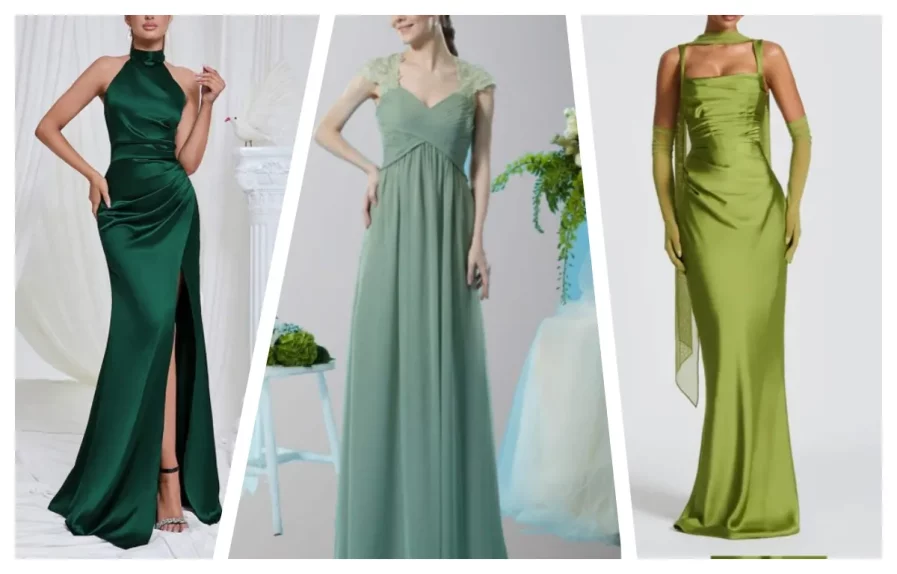
- Sage → olive → forest green
Why it works:
It adds depth and visual interest while still feeling perfectly coordinated.
Pro tip: Place dresses in order (light to dark) when lining up bridesmaids for photos.
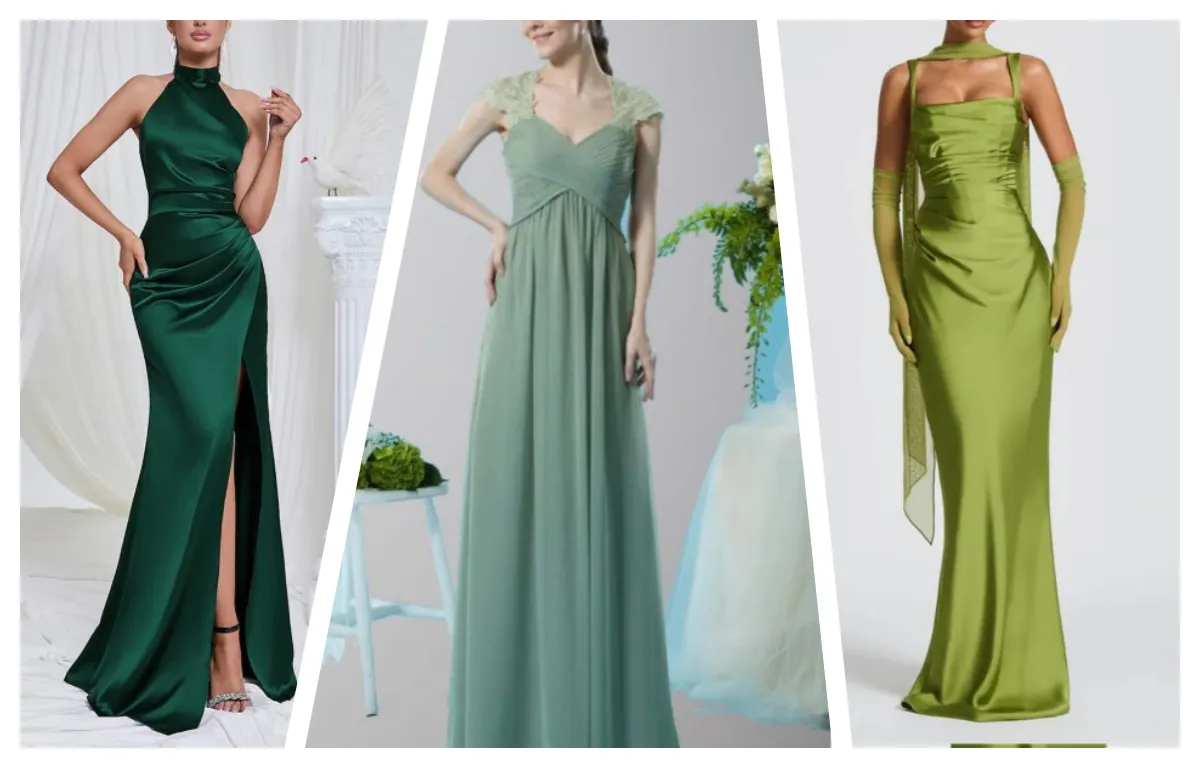
Shop: forest green bridesmaid dress / sage green chiffon bridesmaid dress / olive green bridesmaid dress affordable
2. Mix Different Colors Within One Palette
Rather than sticking to one color family, you can combine multiple complementary shades.
Popular bridesmaid dress color 2026 palettes:
- Sage green + champagne + soft gold
- Terracotta + rust + burnt orange
- Lavender + lilac + dusty blue
Why it works:
It feels modern, romantic, and curated — especially for outdoor or seasonal weddings.
Pro tip: Limit your palette to 3–4 colors to avoid visual chaos.

3. Keep the Color, Change the Fabric
If you want a subtle mix-and-match look, keep the same color but vary textures.
For Example:
- Satin slip dress
- Chiffon A-line dress
- Tulle flowy gown
Why it works:
Different fabrics reflect light differently, adding dimension without changing the color.

4. Let Bridesmaids Choose Within a Color Range
Give your bridesmaids guidelines instead of strict rules.
Example instructions:
- “Any shade of green”
- “Muted pastels only”
- “Warm neutrals like champagne, beige, or taupe”
Why it works:
Your bridal party feels comfortable and confident, which always looks better in photos.
Pro tip: Approve dresses beforehand to maintain consistency.
5. Use Prints or Patterns (Carefully)
Floral or patterned dresses are trending — but they need to be handled with care.
Best approach:
- Mix solid dresses with one or two patterned pieces
- Ensure prints include your main color palette
Why it works:
Adds personality without overwhelming the overall look.
How to Coordinate Bridesmaid Dress Colors
Match Your Wedding Setting
- Beach wedding: soft blues, sand tones, coral
- Garden wedding: sage, blush, lavender
- City wedding: black, champagne, emerald
- Autumn wedding: rust, terracotta, burgundy
Consider Skin Tones
A great palette works across different complexions.
- Universally flattering shades:
- Dusty blue
- Sage green
- Burgundy
- Champagne
Avoid overly neon or extremely pale shades that can wash people out.
Think About Seasonality
- Spring/Summer: light, airy tones (pastels, soft neutrals)
- Fall/Winter: deeper, richer shades (jewel tones, earthy hues)
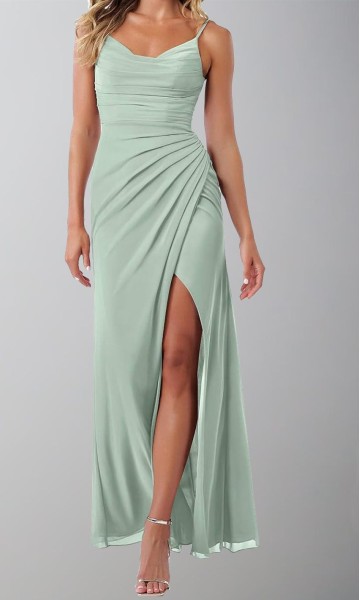
Styling Tips to Mismatched Bridesmaid Dresses Color Palette Cohesive
Even with different colors, you can tie everything together with styling.
Keep These Elements Consistent:
- Fabric family (all flowy or all structured)
- Dress length (all floor-length or all midi)
- Accessories (matching metallic tones)
- Bouquets (same flowers across all bridesmaids)
Common Color Coordinate Mistakes to Avoid
- Too Many Colors: More than 4 shades can look unplanned instead of curated.
- Clashing Undertones: Warm and cool tones don’t always mix well — test combinations first.
- Ignoring Fabric Differences: Satin and chiffon in the same shade can look different in photos.
- No Visual Plan: Always lay out your color palette together before making final decisions.
Shop the Look: Affordable Coordinated Bridesmaid Dresses at Happyprom
Coordinating bridesmaid dresses by color is the easiest way to balance individuality and harmony. Whether you choose soft ombre tones, bold seasonal palettes, or mix-and-match neutrals, the key is intentional planning. When done right, your bridal party won’t just match — they’ll elevate your entire wedding aesthetic.
Creating a cohesive look doesn’t mean spending a fortune. You can easily mix and match styles while keeping colors consistent. Look for:
- Affordable bridesmaid dresses under £100 options for larger bridal parties
- Convertible dresses (multiple styles, same color)
- Mix-and-match collections in curated palettes
FAQ: Mismatched Bridesmaid Dress Color Coordination
Yes — as long as the colors are part of a cohesive palette, it looks intentional and stylish.
Stick to 2–4 colors for the best balance between variety and cohesion.
Not necessarily, but similar fabrics help maintain a consistent look in photos.
Choose one color and allow different shades or styles — it’s simple and always works.
Absolutely. It’s one of the most popular bridal trends because it’s flattering, flexible, and visually interesting.
People also interested in:
Mix and Match Bridesmaid Dresses: How to Get a Cohesive Look
Bridesmaid Dresses Under £100 (Best Budget Picks)
Bridesmaid Dress Styles Explained (A-Line, Mermaid, Empire & More)
