
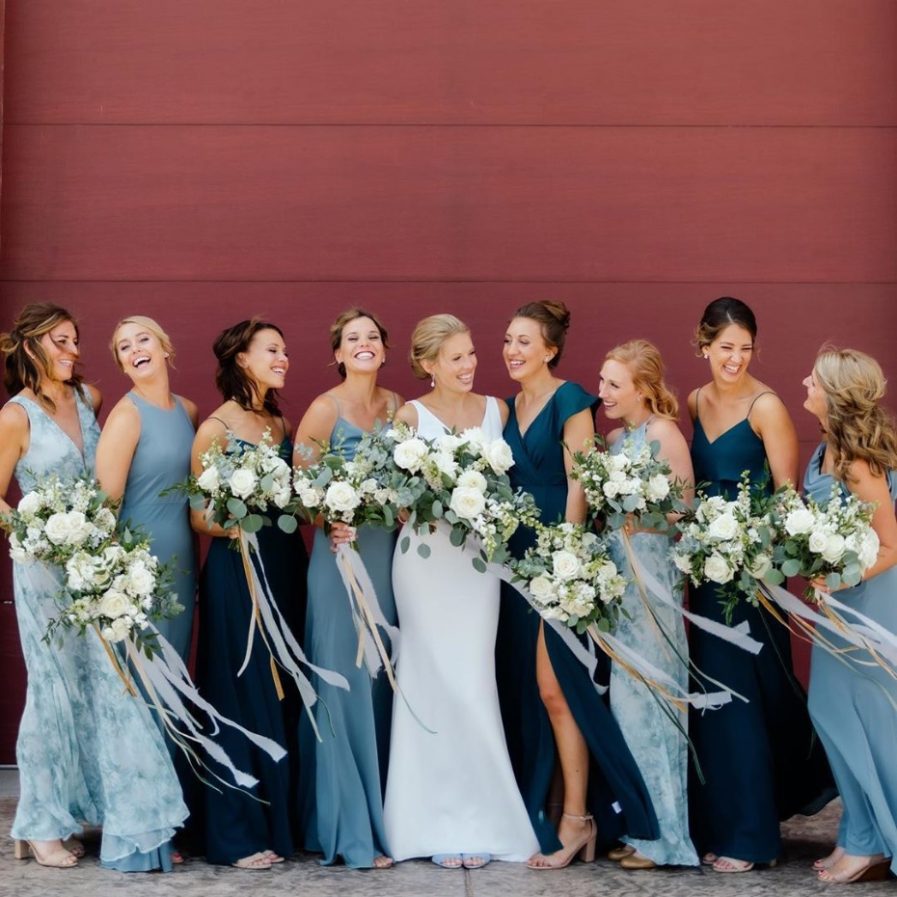
Planning a wedding—especially a summer or destination one—means thinking beyond just style. One of the most overlooked (but critical) factors when choosing bridesmaid dresses is fabric performance.
Because let’s be honest:
Heat, humidity, happy tears, and even a splash of champagne can quickly turn into visible stains on the wrong material.
Bridesmaid Fabric Comparison Table
| Fabric | Sweat Visibility | Breathability | Best Use Case |
|---|---|---|---|
| Chiffon | ⭐ Very Low | ⭐⭐⭐⭐ | Summer weddings |
| Tulle | ⭐ Very Low | ⭐⭐⭐ | Layered styles |
| Lace | ⭐ Low | ⭐⭐⭐ | Classic looks |
| Crepe | ⭐ Low | ⭐⭐⭐ | Modern weddings |
| Satin | ❌ Very High | ⭐⭐ | Indoor only |
| Silk | ❌ Very High | ⭐⭐⭐⭐ | Not recommended |
In this guide, we’ll break down:
- The best bridesmaid dress fabrics that hide sweat and water stains
- The worst fabrics to avoid
- Smart tips to keep your bridal party looking flawless all day
Why Some Fabrics Show Sweat & Water Stains More Than Others
Understanding why stains appear helps you avoid them completely.
How Fabric Absorbency Affects Moisture Visibility
Highly absorbent fabrics like silk soak moisture unevenly, creating:
- Dark patches
- Ring marks
- Long drying times
Low-absorbency fabrics distribute moisture more evenly, making stains less visible.
1. How Fabric Absorbency Affects Moisture Visibility
Highly absorbent fabrics like silk soak moisture unevenly, creating:
- Dark patches
- Ring marks
- Long drying times
Low-absorbency fabrics distribute moisture more evenly, making stains less visible.
2. The Role of Fabric Finish (Matte vs Shiny)
This is one of the biggest factors.
- Shiny fabrics (like satin):
- Reflect light unevenly when wet
- Make stains highly visible
- Matte fabrics (like chiffon or crepe):
- Diffuse light
- Hide moisture naturally
👉 This is why satin often looks worse in photos than in person.
3. Why Color Choice Changes Everything
When fabric gets wet, it usually darkens.
- High contrast = visible stains
- Low contrast = hidden moisture
Best colors:
- Medium to dark shades
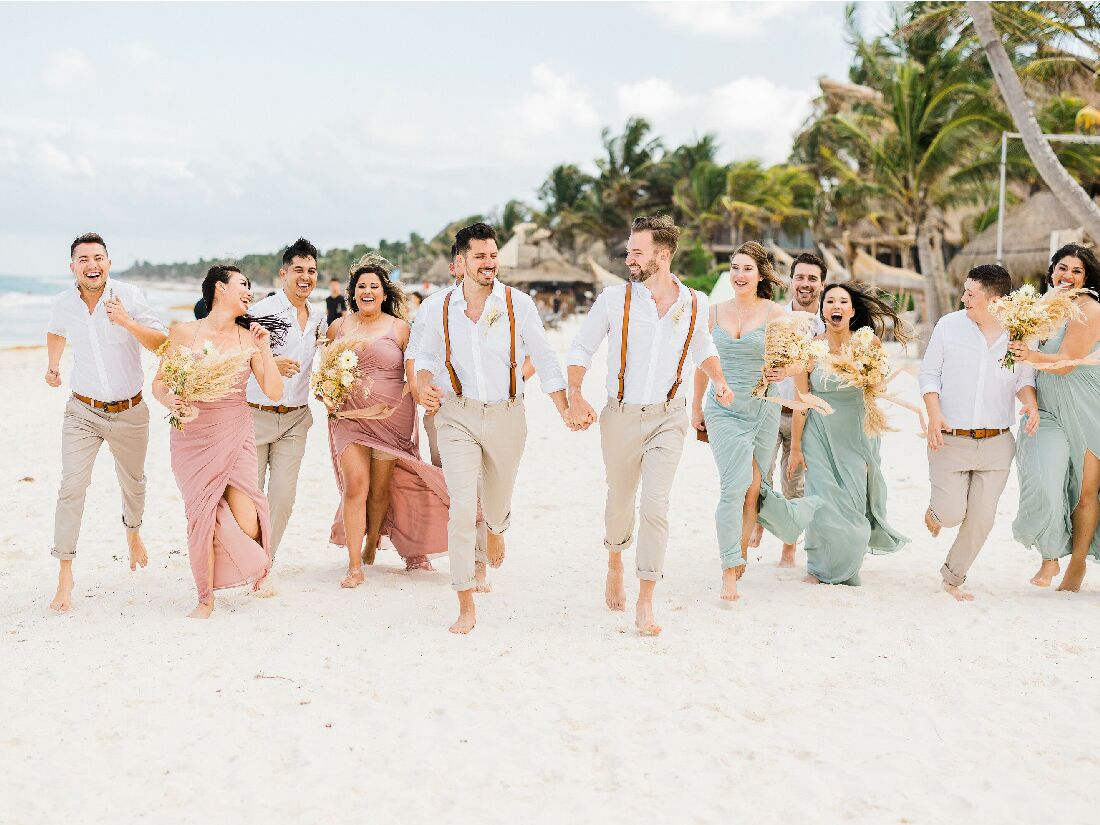
- Dusty tones (sage, mauve, dusty blue)
4. How Fabric Texture and Layering Hide Stains
Texture works as natural camouflage.
- Lace patterns break up wet areas
- Chiffon layers diffuse moisture
- Tulle overlays hide inner dampness
👉 Multi-layer dresses are significantly safer than single-layer designs.
Best Bridesmaid Dress Fabrics That Don’t Show Sweat or Water Stains
These fabrics combine breathability, texture, and visual forgiveness.
Chiffon – The Most Reliable Choice
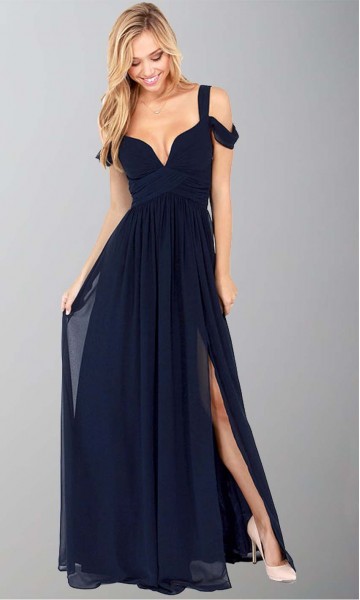
Chiffon isn’t just “a good option”—it’s widely considered the most forgiving, real-world practical fabric for bridesmaid dresses, especially in warm or unpredictable conditions.
Why it works:
- Lightweight and breathable
- Doesn’t cling when damp
- Flowy structure improves airflow
💡 If you’re planning a summer or outdoor wedding, explore:
👉 flowy chiffon bridesmaid dresses that keep you cool and sweat-free
For universally flattering silhouettes:
👉 A-line chiffon bridesmaid dresses for all body types
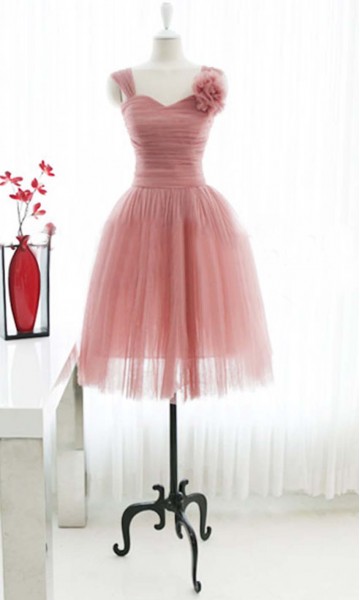
Tulle – Layered Protection That Naturally Hides Sweat & Water Stains
Tulle is often chosen for its romantic, airy look—but what many brides don’t realize is that it’s also one of the most strategically effective fabrics for hiding sweat and water stains.
Its advantage doesn’t come from one feature—it comes from a combination of structure, layering, and visual diffusion.
Why Tulle Works
1. Multi-Layer Construction = Built-In Moisture Barrier
Unlike most fabrics, tulle dresses are almost never single-layered.
They typically include:
- Inner lining (closest to the body)
- One or more outer tulle layers
This creates a separation system:
- Sweat is absorbed by the inner layer
- Outer tulle layers remain dry-looking
- Moisture doesn’t immediately transfer outward
👉 This dramatically reduces visible stains compared to single-layer fabrics like satin.
Real advantage:
Even if a bridesmaid is sweating, the outer dress still looks fresh in photos.
2. Sheer Structure Diffuses Visual Contrast
Tulle is made from fine, net-like fibers, creating a semi-transparent effect.
This does something very important:
- Breaks up how light passes through the fabric
- Softens the appearance of any darker (damp) areas underneath
- Prevents sharp “wet vs dry” contrast
👉 Instead of seeing a clear sweat patch, you see a soft, blended surface.
3. “Visual Noise” Effect Hides Imperfections
Tulle isn’t flat or uniform—it has natural irregularity.
This creates what can be called visual noise:
- Tiny gaps
- Layer overlaps
- Slight movement between layers
These details:
- Distract the eye
- Break up moisture patterns
- Make stains much harder to detect
👉 Compared to smooth satin (which shows everything), tulle actively camouflages.
Airflow Between Layers Reduces Sweat Buildup
Because tulle doesn’t sit flush against the body:
- Air circulates between layers
- Heat escapes more easily
- Moisture evaporates faster
👉 This means tulle doesn’t just hide sweat—it helps reduce how much forms.
Volume Keeps Fabric Away from the Skin
Tulle naturally creates structure and volume, especially in skirts.
This has a major benefit:
- Less direct skin contact
- Less friction and heat buildup
- Fewer pressure points (where sweat usually shows)
👉 Areas like the thighs, hips, and lower back stay noticeably cooler.
Where Tulle Performs Best (Real Wedding Scenarios)
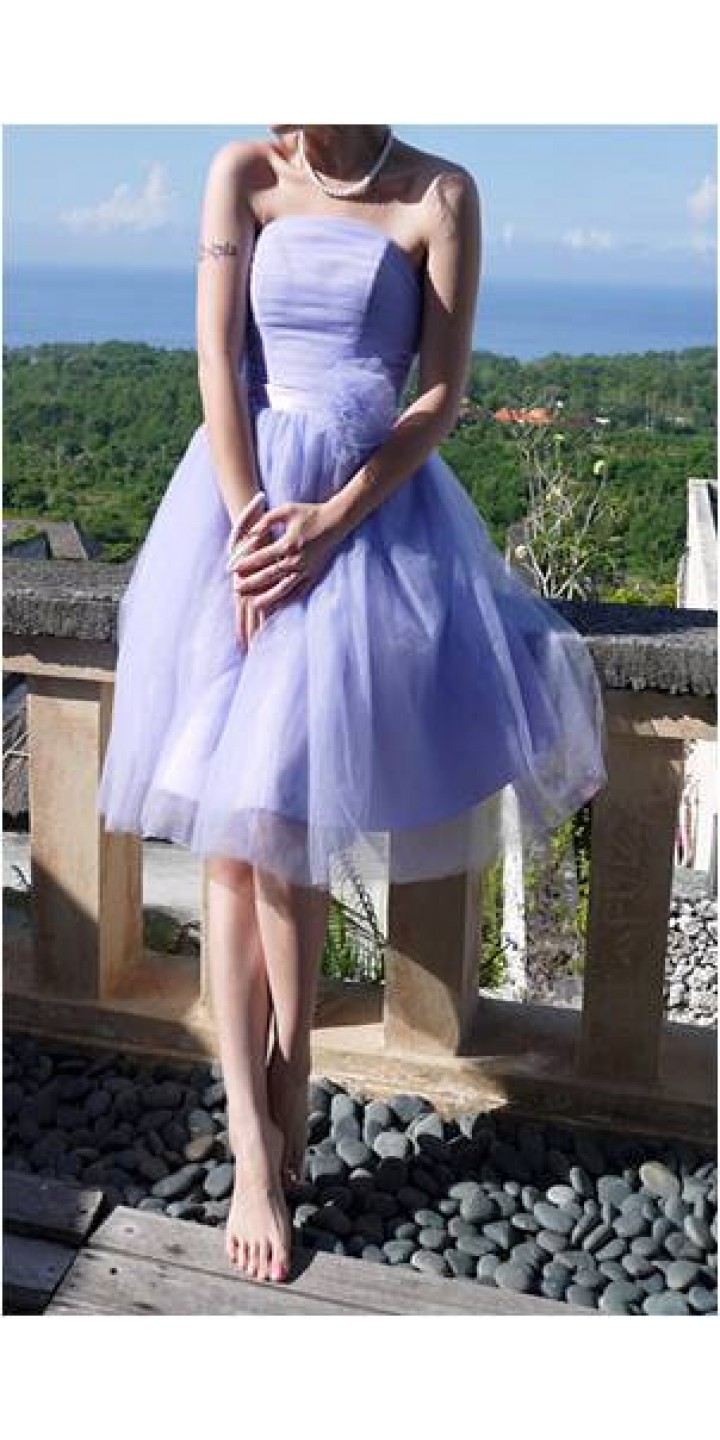
🌿 Outdoor Garden Weddings
- Warm air + sunlight = sweat risk
- Tulle allows airflow while maintaining elegance
💡 Great option:
👉 layered tulle bridesmaid dresses for outdoor weddings

🌊 Beach & Destination Weddings
- Humidity + ocean breeze + movement
- Tulle dries quickly and doesn’t show water spots easily
💡 Ideal picks:
👉 lightweight tulle bridesmaid dresses for beach weddings
Photography-Heavy Weddings
Tulle performs exceptionally well in photos because:
- It diffuses light naturally
- Doesn’t create harsh reflections
- Maintains a soft, consistent look even when slightly damp
👉 Perfect for:
- Golden hour shoots
- Bright outdoor lighting
- Flash photography
Formal & Romantic Wedding Themes
Tulle is especially suited for:
- Fairy-tale weddings
- Classic ballroom settings
- Soft, elegant aesthetics
👉 You get both style + functionality
When Tulle Might Not Be Ideal
Tulle may not be the best choice if:
- You want a sleek, body-hugging silhouette
- The wedding is in very cold weather
- The bride prefers a minimalist, structured look
👉 In those cases, crepe or structured chiffon may be better.
Pro Styling Tips (Maximize Tulle Performance)
To get the most out of tulle:
✔️ Choose the Right Layers
- Go for multi-layer tulle skirts
- Avoid overly thin, single-layer designs
✔️ Pair with the Right Lining
- Breathable inner lining is key
- Prevents sweat buildup underneath
✔️ Opt for Strategic Colors
Best choices:
- Dusty tones (sage, mauve, dusty blue)
- Medium shades (not too light, not too dark)
Shop popular options:
👉 pastel pink tulle bridesmaid dresses for outdoor weddings
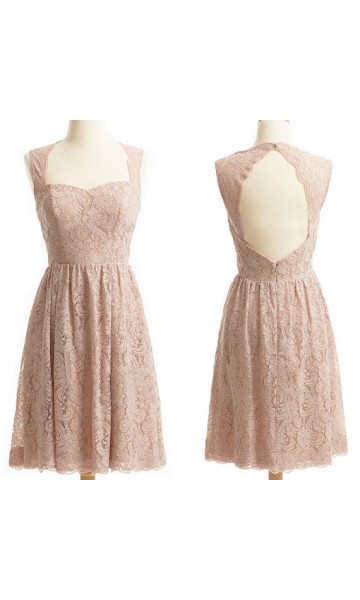
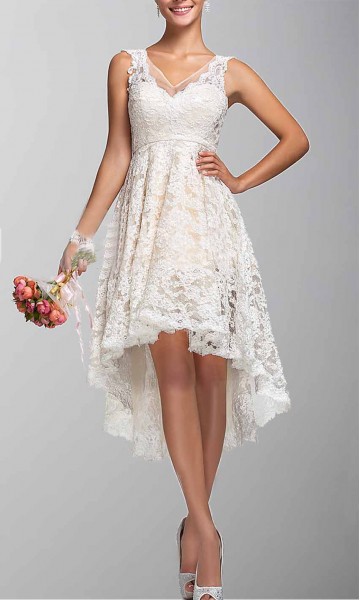
Lace – Textured Elegance That Camouflages Sweat & Water Stains
Lace is often chosen for its timeless beauty—but from a practical standpoint, it’s also one of the most forgiving fabrics when it comes to hiding moisture.
Its strength lies in complex surface detail + layering + visual distraction. Lace hides sweat not by avoiding moisture—but by making it invisible through texture and pattern.
👉 It’s the perfect balance of elegance + forgiveness.
Why Lace Works
1. Intricate Patterns Break Up Moisture Visibility
Unlike flat fabrics, lace features:
- Floral motifs
- Embroidery
- Raised textures
These details:
- Interrupt the surface visually
- Break up the outline of sweat patches
- Make moisture irregular and harder to detect
👉 Your eye focuses on the pattern—not the stain.
2. “Distraction Effect” (Visual Camouflage)
Compared to plain satin, lace is far more forgiving—even in close-up photos. Lace creates what designers call visual complexity.
This means:
- The eye constantly moves across the pattern
- No single area becomes the focal point
- Subtle changes (like dampness) go unnoticed
3. Almost Always Layered (Hidden Advantage)
Similar to chiffon—but with even more visual camouflage. Most lace bridesmaid dresses are constructed with:
- Inner lining (smooth fabric)
- Lace overlay (outer layer)
This creates a two-layer protection system:
- Inner layer absorbs sweat
- Outer lace layer masks it
💡 Look for: 👉 lace bridesmaid dresses with breathable lining for all-day comfort

4. Matte + Textured Surface Reduces Light Reflection
Lace doesn’t reflect light evenly. This is why lace photographs beautifully—even in challenging lighting.
Instead, it:
- Absorbs and diffuses light
- Prevents shiny wet patches
- Softens contrast between wet and dry areas
5. Breathability Depends on Design (Important Nuance)
Not all lace performs the same.
- Lightweight lace (best):
- Breathable
- Comfortable
- Less sweat buildup
- Heavy lace (less ideal):
- Traps heat
- Can increase sweating
👉 Fabric weight matters just as much as texture.
Where Lace Bridesmaid Dresses Performs Best For
Classic & Formal Weddings
Perfect for:
- Church ceremonies
- Ballroom weddings
- Elegant evening receptions
👉 You get sophistication + practicality.
Photography-Focused Weddings
Lace excels in photos because:
- Texture hides imperfections
- No harsh reflections
- Consistent visual depth
Mild Outdoor Weddings
Works well in:
- Spring weddings
- Moderate temperatures
👉 Not ideal for extreme heat unless lightweight.
When Lace Dress Might Not Be Ideal
- Very hot, humid climates (unless lightweight)
- Ultra-minimalist wedding themes
- Bridesmaids wanting very simple silhouettes
Pro Styling Tips (Maximize Lace Performance)
- Choose soft, breathable lace (not heavy embroidered styles)
- Opt for loose or A-line silhouettes
- Pair with moisture-wicking lining
💡 Best styles to explore:
👉 breathable lace bridesmaid dresses for summer weddings
👉 A-line lace dresses that balance elegance and comfort
Crepe – The Minimalist Fabric That Hides Sweat Through Matte Structure (Deep Dive)
Crepe is the go-to fabric for modern, minimalist weddings—but it’s also a highly strategic choice for hiding sweat, when chosen correctly. Crepe hides sweat through simplicity and control:
- Matte finish prevents visibility
- Texture softens contrast
- Structure maintains shape
👉 It’s the best option for brides who want a clean, modern look without sacrificing practicality.
Its performance comes from surface texture, drape, and light behavior.
Why It Works (In Detail)
1. Matte Surface = No Shine, No Highlighted Stains
Unlike satin, crepe has:
- A flat, matte finish
- No reflective surface
This means:
- Wet areas don’t catch light
- No obvious contrast
- Stains remain subtle
👉 Matte = your best defense against visible moisture.
2. Slight Texture Softens Moisture Edges
Crepe isn’t completely smooth—it has a fine grain texture.
This helps:
- Blur the edges of damp spots
- Prevent sharp outlines
- Reduce visual contrast
👉 Think of it as a “soft focus” effect for fabric.
3. Structured Drape Prevents Clinging (When Done Right)
High-quality crepe:
- Skims the body instead of sticking
- Maintains shape even when slightly damp
- Avoids outlining sweat-prone areas
👉 This is critical for areas like:
- Lower back
- Waist
- Hips
4. Weight Balance Controls Moisture Behavior
Crepe sits in a “middle ground”:
- Heavier than chiffon → more structure
- Lighter than velvet → still breathable
👉 This balance:
- Prevents excessive sweat
- Maintains a polished silhouette
5. Not All Crepe Is Equal (Very Important)
There are two major types:
✅ Matte Crepe (Best Choice)
- Textured
- Non-reflective
- Sweat-friendly
❌ Stretch / Shiny Crepe (Avoid)
- Slight sheen
- Clings to the body
- Highlights moisture
👉 Always prioritize matte crepe for weddings.
Where Crepe Performs Best
Indoor & Controlled Environments
Perfect for:
- Indoor venues
- Air-conditioned settings
- Evening weddings
Modern & Minimalist Weddings
Crepe is ideal for:
- Clean silhouettes
- Sleek bridal parties
- Contemporary aesthetics
Editorial-Style Photography
Crepe works well in photos because:
- No shine
- Clean lines
- Consistent tone
When Crepe Might Not Be Ideal
- Extremely hot outdoor weddings
- Very humid climates
- Tight-fitting designs
👉 In those cases, chiffon or tulle is safer.
Pro Styling Tips (Maximize Crepe Performance)
- Choose matte crepe only
- Avoid overly tight fits
- Go for structured but breathable designs
💡 Best styles to shop:
👉 modern matte crepe bridesmaid dresses with clean silhouettes

🚫 Worst Bridesmaid Dress Fabrics for Sweat & Water Stains
- Satin – The Biggest Risk
Satin may look luxurious—but it’s extremely unforgiving. Instead of satin, consider: matte chiffon alternatives that photograph beautifully without water marks - Silk – Highly Absorbent and Delicate
Swap silk for: lightweight breathable bridesmaid dresses for summer weddings
Best Bridesmaid Dress Colors to Hide Sweat Marks
Dark & Dusty Shades (Recommended):
- Shop trending shades: sage green bridesmaid dresses for outdoor weddings
- dusty blue bridesmaid dresses that hide sweat marks beautifully
- mauve and muted tone bridesmaid dresses for a soft, flattering look
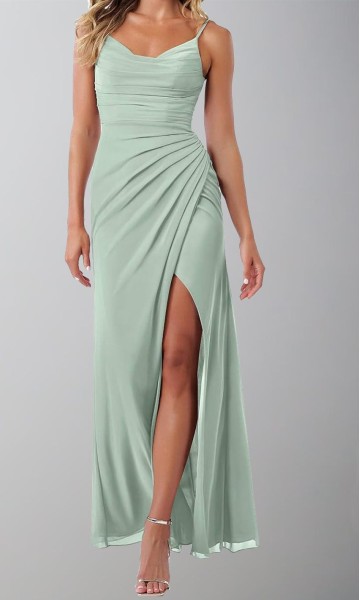
How Dress Fit & Design Affect Sweat Visibility
- Loose Silhouettes = Less Sweat Visibility
Best silhouettes to shop: flowy A-line bridesmaid dresses that allow airflow and comfort - Strategic Layering Works
Look for: double-layer chiffon bridesmaid dresses for extra protection
Final Thoughts: Choosing Stress-Free Bridesmaid Dresses
The right fabric makes all the difference.
To keep your bridal party confident and photo-ready:
- Choose breathable fabrics like chiffon
- Avoid shiny materials like satin
- Prioritize comfort and airflow
When selecting bridesmaid dresses, prioritize:
- Chiffon styles
- Layered designs
- Soft matte finishes
These choices ensure your bridal party looks polished, comfortable, and photo-ready—no matter the conditions.
If you want stress-free, photo-ready bridesmaid dresses, start with:
👉 flowy A-line dresses that keep bridesmaids comfortable all day
👉 chiffon bridesmaid dresses for hot weather weddings
👉 sage green dresses that hide sweat marks effortlessly
👉 dusty blue bridesmaid dresses for elegant outdoor ceremonies
Start browsing breathable, stain-friendly bridesmaid dresses here: Affordable Bridesmaid Dresses Collection.
FAQs About Sweat-Proof Bridesmaid Dresses
Chiffon is the most reliable due to breathability and texture.
Yes—lining prevents moisture from reaching the outer layer.
Yes. They trap heat and increase visibility.
You can—but it’s risky, especially outdoors.
You may also interested in:
Summer Magic: Creating Your Dreamy Summer Garden Wedding
Bridesmaid Dresses Colors for Summer Wedding
The Ocean’s Canvas: Beach Wedding Color Schemes That Complement the Occasion
