
Quick Answer: Why Prom Dresses Feel Hard to Move In
If your prom dress is hard to walk or move in, it’s usually because of incorrect length, restrictive silhouettes (like mermaid styles), high slits, stiff fabrics, or poor fit. Fixes include hemming the dress, choosing stretch or lightweight materials, adjusting the slit, and selecting a movement-friendly design.
Why Movement Matters More Than You Think on Prom Night
What Actually Happens During Prom (Walking, Sitting, Dancing)
Prom isn’t a photoshoot—it’s hours of:
- Walking across venues
- Sitting and standing repeatedly
- Climbing stairs
- Dancing (a lot!)
A dress that looks amazing but restricts movement can quickly ruin your experience. The best prom dresses balance style, structure, and flexibility.
7 Common Prom Dress Movement Problems (And How to Fix Them)
1. Prom Dress Too Long and Difficult to Walk In
Why It Happens
Many prom dresses are designed with extra length to suit different heights and heels. Without tailoring, this leads to:
- Fabric dragging on the floor
- Tripping hazards
- Awkward, shortened steps
Hidden Problems You Might Not Expect
- Dirt and damage to the hem throughout the night
- Heels catching under layers (especially with tulle)
- Constant need to lift your dress while walking
How to Fix It Properly
✔ Get your dress professionally hemmed
✔ Bring your exact prom shoes to the fitting
✔ Ask for a slight front lift if you’ll be walking a lot
Expert Tip
If your dress has multiple layers, ask for a graduated hem—this keeps the outer look elegant while improving movement underneath.
High Slit Prom Dress Movement Issues
Why High Slits Cause Movement Issues
High slits can:
- Disrupt your natural stride
- Shift too much when sitting
- Feel uncomfortable or overly revealing while dancing
This is especially true when the fabric is:
- Stiff
- Unlined
- Poorly structured
How to Make a High Slit Work
✔ Choose flowy fabrics like chiffon
✔ Add a discreet stitch to lower the slit slightly
✔ Use fashion tape for security
What to Look for When Shopping
- Inner lining or shorts
- Controlled slit placement (not too far up the hip)
- Soft draping instead of rigid cuts

Tight or Restrictive Dresses (Mermaid & Bodycon)
The Real Problem
These styles are designed to hug your body—but often:
- Limit leg movement
- Make stairs difficult
- Feel tight after eating or sitting
Signs Your Dress Is Too Restrictive
- You can’t take a full step forward
- Sitting feels tight around hips or thighs
- The fabric pulls when you move
Better Alternatives
✔ Stretch satin or jersey fabrics
✔ Fit-and-flare designs with flexibility
✔ Dresses with hidden stretch panels
The Ultimate Prom Dress Movement Test (Try This Before You Buy)
Most people only check how a dress looks in the mirror—but what really matters is how it performs in real life. Use this detailed movement test to avoid choosing a dress that feels restrictive, uncomfortable, or impractical on prom night.
1. Walk Fast Test (Real Walking Simulation): What to Do
- Walk at a normal pace first
- Then slightly speed up (as if you’re late or moving through a crowd)
- Take both small and long strides
What You’re Testing
- Whether the dress limits your natural stride
- If the hem gets caught under your heels
- How the fabric moves around your legs
Red Flags 🚫
- You can’t take a full step forward
- The dress pulls tightly around your thighs
- You feel like you have to “shuffle” instead of walk
- You step on the hem or layers
What It Means
- Too tight → size or silhouette issue
- Too long → needs hemming
- Too stiff → fabric problem
2. Sit Down Test (Comfort Over Time): What to Do
- Sit down slowly, then stand back up
- Sit for at least 30–60 seconds
- Try sitting both upright and slightly relaxed
What You’re Testing
- Pressure on hips, waist, and thighs
- Bodice flexibility and support
- Whether the dress shifts or rides up
Red Flags 🚫
- Tightness or digging into your waist or ribs
- Dress rides up too high on your legs
- You feel restricted or “locked” in place
- You need help to sit or stand
What It Means
- Bodice too tight → sizing or corset issue
- Skirt too restrictive → avoid bodycon/mermaid without stretch
- Fabric too stiff → won’t adapt during long wear
3. Dance Test (The Reality Check 💃): What to Do
- Do a simple spin
- Move your hips side to side
- Raise your arms (like dancing or taking photos)
- Try a small jump or bounce
What You’re Testing
- Full-body flexibility
- Strap and bodice security
- Overall comfort during active movement
Red Flags 🚫
- Straps fall or dig into shoulders
- Bodice shifts or feels unstable
- Slit opens too high or feels risky
- Dress feels heavy or tiring quickly
What It Means
- Poor support → risk of constant adjusting all night
- Too heavy → will drain your energy
- Slit issues → may need adjustment or different design
4. Stair & Step Test (Often Overlooked)
What to Do
- Step up and down (or mimic stairs)
- Lift your leg slightly higher than normal
What You’re Testing
- Leg mobility
- Skirt flexibility
- Balance and safety
Red Flags 🚫
- You can’t lift your leg comfortably
- The dress pulls tightly when stepping up
- You feel unstable
What It Means
- Dress too tight or narrow
- No slit or flare for movement
- Not practical for real venues
5. Full Night Simulation (Pro-Level Test)
What to Do
Wear the dress for 10–15 minutes continuously and:
- Walk around
- Sit and stand multiple times
- Move your arms and shoulders
What You’re Testing
- Long-term comfort
- Heat and breathability
- Any small issues that become bigger over time
Red Flags 🚫
- You start feeling uncomfortable quickly
- Fabric feels hot or sticky
- You’re constantly adjusting something
What It Means
If it’s annoying now, it will be 10x worse after 3–4 hours at prom.
Quick Pass/Fail Checklist ✅
Your dress is prom-ready if:
✔ You can walk naturally without thinking
✔ You can sit and stand easily
✔ You can dance without adjusting your dress
✔ Nothing feels tight, heavy, or restrictive
Expert Insight
At Happyprom, one of the biggest reasons customers return dresses is not sizing—it’s movement discomfort.
That’s why choosing:
- Stretch-friendly fabrics
- Proper length
- Movement-friendly silhouettes
Comfort is just as important as choosing the right style.
4. Uncomfortable Prom Dress When Dancing
Why Some Dresses Aren’t Dance-Friendly
Even if they fit well, certain dresses can cause problems due to:
- Heavy beading or sequins
- Stiff corset bodices
- Poor strap or bust support
What Happens During the Night
- Shoulder pain from heavy straps
- Constant adjusting of the bodice
- Overheating due to thick fabric
How to Choose a Dance-Friendly Dress
✔ Lightweight materials (chiffon, soft satin, tulle)
✔ Secure but comfortable straps or sleeves
✔ Breathable construction
5. Heavy or Stiff Fabrics That Limit Movement
Choosing the wrong fabric is one of the biggest reasons a prom dress feels uncomfortable—even if the fit looks perfect. Here’s a deeper breakdown of the most common problem fabrics and why they affect movement so much.
Best Fabrics for Easy Movement
- Chiffon → light, airy, and flexible
- Stretch satin → elegant with comfort
- Soft tulle → volume without heaviness
Fabrics That Can Cause Issues
- Thick satin (too structured)
- Heavy sequins/beading
- Non-stretch polyester
Key Insight
The same dress design can feel completely different depending on the fabric—always check how it moves, not just how it looks.
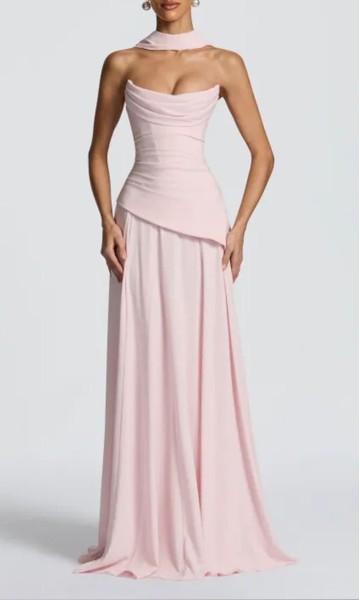
Quick Rule to Remember
- If it’s too stiff, too heavy, or doesn’t stretch → it will restrict movement
- If it’s lightweight, soft, or flexible → it will move with you
Pro Shopping Tip
When browsing online (especially on stores like Happyprom), don’t just look at the design—check:
✔ Fabric composition
✔ Product description (look for “stretch”, “lightweight”, “flowy”)
✔ Customer reviews mentioning comfort
This one step can save you from choosing a dress that looks perfect—but feels impossible to wear.
Prom Dress Fabric Comparison: Bad vs Good for Movement
| Fabric Type | Common Issues (Bad for Movement ❌) | Better Alternative (Good for Movement ✅) | Why It Works Better |
|---|---|---|---|
| Thick Satin (Duchess Satin) | – Stiff and non-flexible- Restricts walking stride- Hard to sit comfortably | Stretch Satin / Soft Satin | – Adds flexibility- Moves with your body- Keeps elegant shine without stiffness |
| Heavy Sequins / Full Beading | – Very heavy- Causes shoulder strain- Limits dancing movement- Can irritate skin | Lightweight Sequin Mesh / Partial Embellishment | – Reduces weight- Easier to move and dance- Keeps sparkle without discomfort |
| Non-Stretch Polyester | – No flexibility- Feels tight when sitting or bending- Poor breathability (gets hot) | Polyester Blend with Elastane / Jersey Fabric | – Adds stretch for comfort- Better airflow- Adapts to movement |
| Stiff Tulle (Cheap Quality) | – Scratchy on skin- Bulky layers- Hard to walk smoothly | Soft Tulle / Illusion Tulle | – Lightweight and airy- Flows naturally- More comfortable for long wear |
| Organza (Structured Fabric) | – Rigid and crisp- Doesn’t flow when walking- Can feel restrictive | Chiffon | – Soft and fluid- Moves easily with every step- Ideal for dancing |
| Thick Layered Skirts (Multiple Heavy Layers) | – Adds unnecessary weight- Hard to manage while walking- Can trap heat | Layered Chiffon or Light Tulle | – Maintains volume without heaviness- Easier to walk and sit- More breathable |
6. Poor Fit (Too Tight or Too Loose)
Before committing to your dress, do this:
✔ Walk naturally
✔ Sit and stand
✔ Turn and spin
✔ Take large steps
✔ Mimic dancing
If anything feels off in the fitting room, it will be 10x more noticeable on prom night.
Dealing with pain or chafing rather than restricted movement? Help! My Prom Dress Is Killing Me! Your SOS Guide to Instant Comfort has quick fixes for straps, corsets, and chafing.
Frequently Asked Questions About Prom Dress Comfort
Yes! Just make sure to hem it properly and wear your chosen heels during alterations. Length should never drag on the floor.
Take smaller, controlled steps and choose dresses with: Stretch fabric; Back slit or flare. If walking feels difficult, the dress may be too tight.
They can be if the slit is too high or the fabric is stiff. Choosing soft materials and slightly lower slits improves comfort significantly.
The best styles for dancing are: A-line dresses; Flowing chiffon gowns; Fit-and-flare designs with stretch. These allow freedom of movement without sacrificing style.
Focus on:
Proper fit (not too tight or long);
Lightweight fabrics;
Supportive design (straps, bodice);
Movement testing before buying;
You don’t have to choose. The best dresses combine both—modern designs are made to look stunning and feel comfortable.
Final Thoughts
A prom dress should help you feel confident—not restricted.
If you can walk, sit, and dance comfortably, you’ll enjoy your night so much more.
Remember:
✨ The best dress is one you don’t have to think about all night.
Ready to find a prom dress that looks stunning and feels amazing to wear?
At Happyprom, we design dresses with real prom nights in mind—so you can move, dance, and celebrate without discomfort.
💃 Discover:
- Comfortable, movement-friendly designs
- Perfect-length options for every height
- Lightweight fabrics ideal for dancing
👉 Shop now at Happyprom.co.uk and find your perfect prom dress 2026 today
You may also interested in:
How to Choose the Perfect Prom Dress for Your Body Type
A-Line vs. Mermaid Prom Dresses: Which Silhouette Is Your Perfect Match?
