Last Updated on October 13th, 2026 at 02:21 am
What is a prom dress? A prom dress is a formal or semi-formal outfit worn to a school prom. It’s usually made in fabrics like satin, chiffon or tulle, in a silhouette such as ball gown, A-line, mermaid or sheath, and often with embellishment. Modern prom outfits also include two-piece sets and formal jumpsuits. Your school or venue’s dress code can change what’s allowed.
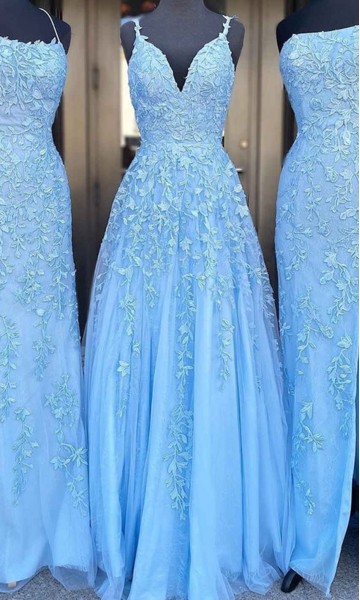
The Magic Behind the Most Important Dress of the Year
Prom night. Just the phrase conjures images of twinkling lights, first dances, and unforgettable memories with friends. For many school students, it’s one of the most anticipated events of the year—a milestone that marks the transition from adolescence to adulthood. And at the center of all that excitement? The dress.
But here’s the question that sends countless students and parents into a tailspin every spring: What actually makes a dress a “prom dress”? Is there some secret checklist hidden in a fashion vault somewhere? Has the definition changed since your parents’ prom in the ’90s? It absolutely has.
Here’s the truth: A prom dress is generally defined by its formality, its style, and—perhaps most importantly—the wearer’s comfort and confidence, all while staying within the school’s dress code guidelines. But as you’ll see, that definition is far more flexible and inclusive than it’s ever been.
What Defines a Traditional Prom Dress? Classic Elements
Formality and Length: The Foundation of Formal Wear
Let’s start with the classics. Traditionally, prom dresses were unmistakably formal, and that formality was communicated through specific design elements.
What Length Should a Prom Dress Be?
Length has long been the most obvious indicator. For decades, floor-length gowns ruled the prom scene—think sweeping ballgowns, elegant A-lines, and sleek sheath dresses that grazed the floor. These long gowns signaled that this wasn’t just another school dance; this was the event of the year.
But here’s where things get interesting: the rise of the chic midi dress and even formal cocktail-length styles has challenged this notion. A well-designed tea-length dress in luxurious fabric can absolutely read as “prom-worthy,” especially when styled with the right accessories and attitude.
[Check out our guide to: Prom Dresses for Short Girls with Petite Frame / Prom Dress vs. Formal Gown and to the long vs short post ]

Best Fabrics for Formal Prom Dresses
Prom dresses are usually made from fabrics you wouldn’t wear every day: satin that catches the light, chiffon that moves, tulle for volume, velvet for winter proms and lace for detail. The fabric alone can make a simple shape look formal. See our guide to the 12 most popular prom dress fabrics.
Common Prom Dress Embellishments
Embellishments are the cherry on top. We’re talking sequins that sparkle under the DJ’s lights, intricate beading that catches every eye in the room, hand-sewn embroidery that tells a story, and rhinestones that add just the right amount of glamour.
These details transform a dress from something you might wear to a nice dinner into something you’d wear to one of the most important nights of your life.
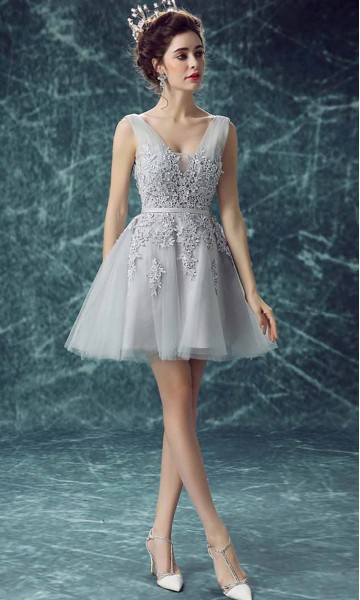
Most Popular Prom Dress Silhouettes
When you picture a prom dress, certain silhouettes probably come to mind:
- Ballgown: This is the quintessential prom look—the Cinderella moment. With a fitted bodice and a dramatically full skirt (often with layers of tulle or crinoline underneath), it’s the style that makes you feel like royalty.
- A-Line: Universally flattering, the A-line gradually flares from the fitted bodice to create a shape that resembles the letter A. It’s elegant, comfortable, and works beautifully on virtually every body type.
- Sheath/Column: Sleek and modern, these dresses follow the body’s natural lines without much flare. They’re sophisticated, often minimalist, and perfect for someone who wants to feel elegant rather than princess-like.
- Mermaid/Trumpet: Dramatic and figure-hugging, these styles fit closely through the bodice and hips before flaring out at or below the knee, creating that iconic mermaid silhouette. They’re show-stopping and confident.
Modern Prom Dress Styles: How Fashion Has Evolved
Breaking the Mold: Trendy Styles Redefining “Prom Appropriate”
Here’s where things get exciting. Today’s prom fashion has exploded beyond traditional boundaries, and the definition of what constitutes a “prom dress” has expanded dramatically.
Can You Wear a Two-Piece Set to Prom?
Two-Piece Sets have become incredibly popular. A few years ago, showing your midriff at prom would have been unthinkable in many schools. Now, elegant crop tops paired with high-waisted, full skirts or sleek pencil skirts are everywhere on the prom scene. These sets offer a youthful, fashion-forward vibe while still maintaining formality through fabric choice and styling.
Are Jumpsuits Appropriate for Prom?
Jumpsuits and Pantsuits represent perhaps the most significant shift in prom fashion. Who says you need to wear a dress at all? Formal jumpsuits with wide-leg pants and embellished bodices, or sleek pantsuits in luxe fabrics, offer sophisticated alternatives for those who simply don’t feel like themselves in a traditional dress. This evolution is crucial—it acknowledges that “prom attire” should be inclusive of different style preferences and comfort levels.
Minimalism has also made its mark on prom fashion. Not everyone wants to be dripping in sequins or buried in tulle. The rise of sleek, unembellished designs—think simple slip dresses in silk or satin, clean-lined sheaths, or architectural gowns that rely on cut and structure rather than decoration—proves that sometimes less really is more. These minimalist looks are no less formal; they just express formality differently.
Best Prom Dress Colors and Patterns
Gone are the days when prom colors were limited to basic black, navy, or jewel tones (though those are still gorgeous and always will be).
Today’s prom-goers are embracing metallics—rose gold, champagne, silver, and even holographic finishes. They’re choosing soft pastels—blush pink, powder blue, lavender, mint—that photograph beautifully and feel fresh and romantic. And yes, even patterns and florals have found their place at prom, as long as they’re executed in a tasteful, formal way. Think embroidered floral appliqués on tulle, watercolor-inspired prints on flowing chiffon, or subtle metallic patterns woven into the fabric.
The color you choose doesn’t disqualify your dress from being “prom-appropriate”—it’s all about how that color is presented through fabric, cut, and overall styling.
Prom Dress Code Requirements: What Schools Actually Allow
Your school’s dress code is the real test of what counts as a prom dress at your prom, so always check it before you buy. The rules most schools and venues set are:
- Hemline length: often fingertip length, or a set point on the thigh.
- Necklines, backs and cut-outs: limits on how low, how open and how revealing.
- Slits and sheer panels: a maximum slit height, and sheer fabric that must be lined.
Schools usually share their rules on the school website, in a letter or through the prom organisers. If something isn’t clear, ask before you buy. For the full list, see our prom dress code guide.
Finding Your Perfect Prom Dress: Confidence and Fit Matter Most
Why Confidence Makes or Breaks a Prom Dress
Here’s what fashion magazines and Instagram influencers sometimes forget to mention: A true prom dress is one that makes the wearer feel beautiful, confident, and comfortable enough to dance all night.
You could wear the most on-trend, expensive, technically perfect dress in the room, but if you’re constantly tugging at it, worried about it, or just not feeling like yourself, it’s not the right dress. On the flip side, if you feel amazing in a simple, affordable dress that suits your personal style, that’s your prom dress.
Your personal style should be the main driver of your choice—not just following whatever’s trending on TikTok this year. Prom is about celebrating who you are at this moment in your life, not trying to be someone you’re not.
Are you bold and dramatic? Maybe that’s a vibrant red mermaid gown with a thigh-high slit (school-approved, of course). Are you romantic and dreamy? Perhaps a flowing, floral-embroidered ballgown in soft pink. Are you sleek and sophisticated? A minimalist black column dress might be calling your name. Or maybe you’re the person who’s going to rock a velvet pantsuit and absolutely own it.
The point is: your prom dress should feel like an elevated version of you, not a costume.
Do You Need Alterations for Your Prom Dress?
A good fit is what separates an okay dress from a stunning one. Off-the-peg dresses often need hemming, taking in at the waist or adjusting at the straps, so budget for a tailor. A dress made to your measurements, like ours, usually needs fewer changes. See our prom dress alterations cost guide.
A Quick Look Back: How Prom Fashion Has Evolved
To truly appreciate how flexible the “prom dress” definition has become, it helps to look back.
Prom dresses have changed a lot: simple tea-length cotton and taffeta in the 1950s, big sleeves and ruffles in the 1980s, slip dresses and spaghetti straps by the 1990s and 2000s. Today almost anything goes, as long as it’s formal, fits the dress code and makes you feel confident.
Budget Reality: Price Doesn’t Determine “Prom-Worthiness”
The price of a dress doesn’t decide whether it’s a real prom dress. A great one can come from a sale rail, a rental service, a second-hand site or an online shop. What matters is the formality of the design, the quality and how it makes you feel. See our UK prom cost guide to plan a full budget.
The Power of Accessories: The Finishing Touches
Accessories can make a simpler dress feel formal: comfortable shoes you can dance in, jewellery that complements your neckline, a wrap if the venue is cool, and a small clutch for your essentials.
The Bottom Line: Your Prom, Your Definition
So, what makes a dress a “prom dress”?
It’s a combination of formality in fabric and design, adherence to your school’s specific dress code, current style trends that offer more options than ever before, and—most importantly—your personal confidence and comfort.
The perfect prom dress is the one that makes you feel amazing when you look in the mirror. It’s the one you’re excited to wear, the one you can move and dance in, the one that feels like you on your best day. The definition of “prom dress” is broader, more flexible, and more inclusive than it’s ever been, which means there’s truly something out there for everyone.
Whether you choose a classic ballgown that makes you feel like royalty, a sleek jumpsuit that shows off your modern style, a two-piece set that’s fashion-forward and fun, or a minimalist slip dress that’s understated elegance—if it meets your school’s guidelines and makes you feel incredible, it’s the perfect prom dress.
Now it’s your turn: What’s the most unique or memorable prom dress 2027 you’ve ever seen? Are you team ballgown, team pantsuit, or team something-totally-unexpected? Drop a comment and share your prom fashion thoughts.
Remember: Prom is about celebrating an amazing milestone with people you care about. Your dress is important, but it’s just one part of the magic. Choose something that lets you be yourself, follow your school’s rules, and then get out there and make incredible memories!
What Makes A Dress A Prom Dress FAQ
Traditionally floor-length, but modern prom dresses can be midi or cocktail length as long as they meet your school’s dress code requirements. For a fuller answer, check the long vs short post.
Yes! Formal jumpsuits and pantsuits are increasingly popular prom alternatives and are appropriate for most schools.
Luxurious fabrics (satin, chiffon, silk), elegant embellishments, and sophisticated silhouettes distinguish prom dresses from casual wear.
Most schools have specific dress code guidelines covering length, neckline, back exposure, and straps. Always check before purchasing.
Prices vary widely, from under £100 to several hundred pounds or more, depending on the shop, the fabric and the detail. What matters is the fit, the style and how it makes you feel. See our prom cost guide.
A prom dress is a formal or semi-formal dress worn to a school prom. It’s usually made in a fabric like satin, chiffon or tulle, in a silhouette such as ball gown, A-line, mermaid or sheath, and often with embellishment. Modern prom outfits also include two-piece sets and formal jumpsuits.
Mainly three things: formality in the fabric and design, your school or venue’s dress code, and a fit that makes you feel comfortable and confident. If a dress is formal enough and meets the rules, it qualifies.
