
Quick Answer: Traditional UK Etiquette
In the UK, it’s traditionally expected that the bride (or couple) pays for bridesmaid dresses. This comes from the idea that if you’re choosing what someone wears, you should cover the cost.
Planning a wedding comes with a lot of tricky questions—but one of the biggest is:
👉 Who actually pays for bridesmaid dresses?
The answer depends on tradition, location, and your budget. In this updated 2026 guide for 2027 wedding, we break down exactly what’s expected in the UK, what’s changing, and how to handle it without awkward conversations.
:max_bytes(150000):strip_icc()/Kristin-Wyatt_13-5846c95055344e18b140e8c2b34cf33f-8c2a2b38922a479ebefdcfe3d16727d6.jpg)
🇬🇧 UK Tradition vs Modern Reality
Before you broach the topic with your bridesmaids, take some time to familiar with bridesmaids’ dresses etiquette. It includes whether who should pay for your bridesmaids’ dresses, and when it is and isn’t appropriate to ask bridesmaids to contribute, and who should pay for their shoes, accessories, hair and makeup.
Traditional UK Etiquette
Traditionally in the UK, the bride (or the couple) is expected to pay for the bridesmaid dresses. This stems from the idea that if the bride chooses what her bridesmaids wear, she should also cover the cost. It reflects a more formal and hosted approach to weddings, where the couple takes financial responsibility for the bridal party’s attire.
Modern Approach (2026 Reality)
In modern weddings, this expectation has become much more flexible. Many bridesmaids now pay for their own dresses, especially when they are given freedom to choose a style they like. Some weddings also adopt a shared-cost approach, where the couple contributes part of the cost to keep things fair and manageable.
Who Pay for the Bridesmaids’ Dresses, Brides or Bridesmaids?
The etiquette rules on who should pay for the bridesmaids’ dresses vary, depending on where you are in the world. Like many aspects of wedding tradition, the ‘done thing’ differs from country to country.
In the U.S., bridesmaids are always expected to pay for their own dress. The bride decides the dress, and bridesmaids pay for it. If you accept the invitation to be a bridesmaid in the U.S., this expense is something you should be prepared for.
However, it’s very different here in the U.K. The bride should pay for the bridesmaids’ dresses, or whoever’s funding the wedding, like the bride’s parents, or at least contribute towards the cost.
It’s better that brides pay for bridesmaids’ dresses if:
● The bride wants to pick the exact dresses her bridesmaids will wear
● The dresses are particularly expensive
● You’ve chosen a dress that your bridesmaids probably won’t wear again (because of its style, material or colour)
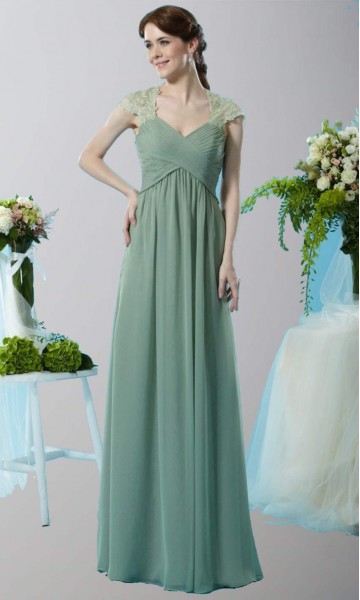
To order this: sage green long bridesmaid dress
Who Pays? (Simple Breakdown)
| Scenario | Who Pays | When It Makes Sense |
|---|---|---|
| Bride pays all | Bride / couple | Best if specific dresses are required |
| Split cost | Shared | Works well for mid-range budgets |
| Bridesmaids pay | Bridesmaids | Fair if they choose their own dresses |
| Flexible mix | Case-by-case | Most common modern approach |
Each option works depending on your situation. The key is to align expectations early so everyone feels comfortable and respected.
The Golden Rule (Most Important Insight)
The most widely accepted rule in modern weddings is simple: the more control the bride has, the more she should contribute financially. If you are choosing a very specific dress, color, or designer, it’s generally fair for you to pay or at least subsidize the cost. On the other hand, if bridesmaids have flexibility to choose their own outfits, it’s more acceptable for them to cover the expense.
This rule helps maintain balance and avoids resentment. It ensures that financial responsibility matches decision-making power, which is especially important in group dynamics like a bridal party.
What Do Bridesmaids Actually Pay For?
Even when the bride pays for the dress, bridesmaids often still have several additional expenses. These can include alterations, which typically range from £20 to £100 depending on the adjustments needed. They may also need to purchase shoes, accessories, and sometimes contribute to hair and makeup if these services are optional.
In total, bridesmaids can spend anywhere from £250 to £350 or more. Because of this, it’s important for couples to consider the overall financial burden—not just the dress itself.
Can I Ask My Bridesmaids to Pay for Their Own Dresses?
If you can’t afford to buy bridesmaids’ dresses, that’s OK. But you should make this crystal clear from the beginning, allow your bridesmaids to decide whether it’s something they can afford before committing to the wedding. Don’t wait for them to agree to be a bridesmaid, and then drop the bombshell on them later down the line. This could create a lot of awkwardness.
Also, if your bridesmaids will be paying for their attire, be sure that they have a say in what they wear. It’s only fair to let them choose their own dress as they’ll be forking out for it.
As a bride, you can do like these:
● Offer 5-6 different dresses that you like, and allow each bridesmaid to choose their favourite.
● Provide a colour swatch, and let your bridesmaids choose any dress in that shade. Give them freedom over the dress’s length, shape and style.
● Choose your preferred style (e.g. tea length or sweetheart neckline) but let them choose their own colour.
● If you don’t mind mismatched bridesmaids (which are all the rage right now), give them complete freedom over their attire. This way, they can wear a dress that they already own, if they can’t afford a new one.
If you’d prefer to choose the exact dress, at least ask them what price range they’d be comfortable with. Then, find a dress that’s well within their budget.
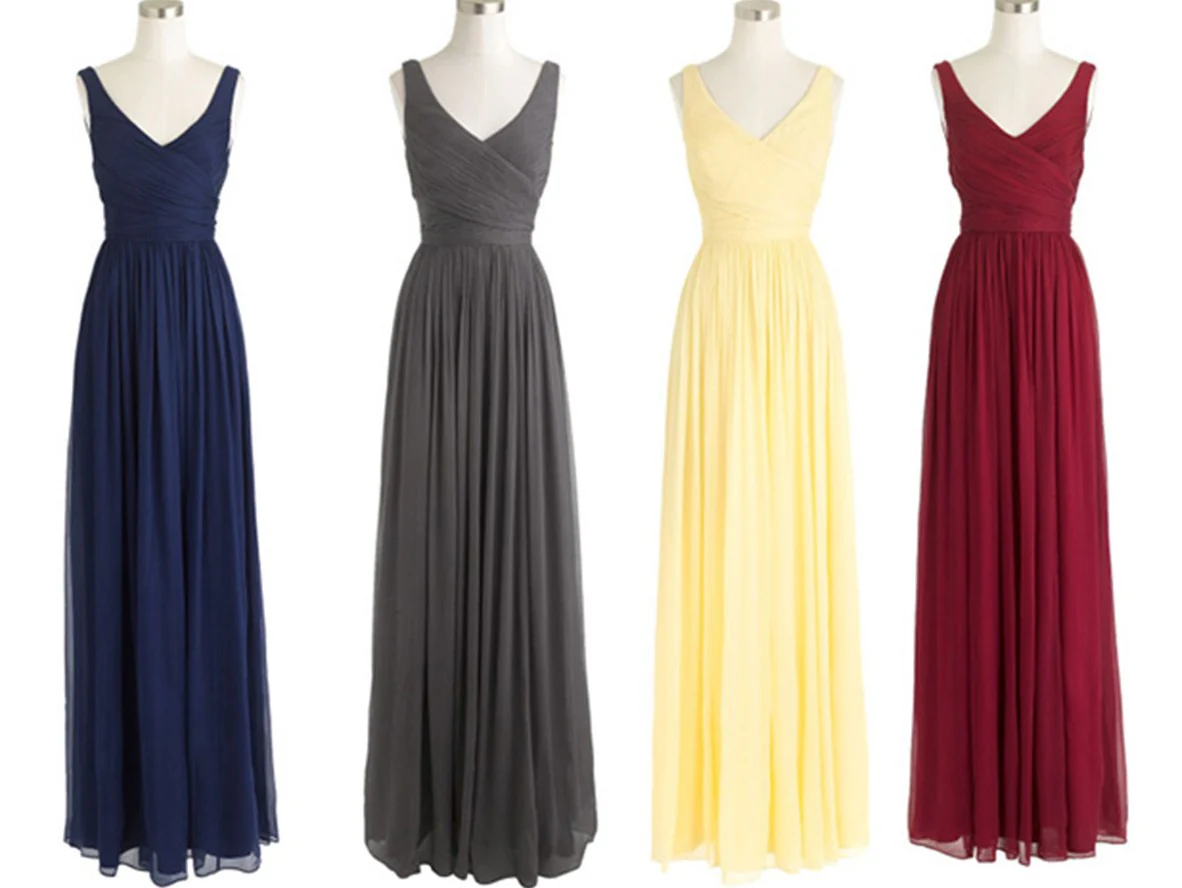
To orde this: mismatched V-neck long Bridesmaids’ Dresses
Smart Ways to Handle Costs (Without Drama)
1. Set Expectations Early
One of the most important things you can do is communicate clearly from the beginning. Let your bridesmaids know what costs they might be responsible for before they commit. This avoids misunderstandings and gives them the chance to plan ahead.
2. Give a Clear Budget Range
Providing a price range, such as £60–£120, helps set realistic expectations. It also ensures that everyone is looking at options within a similar budget, which keeps the group aligned. A clear budget reduces stress and makes decision-making easier.
3. Offer Options
Instead of choosing one exact dress, consider offering a selection of 2–3 approved styles. This allows bridesmaids to pick something that suits their body type and personal style. It also increases the likelihood that they’ll feel confident and happy wearing the dress.
4. Be Flexible
Not all bridesmaids will have the same financial situation, and flexibility is key. If someone is struggling with the cost, consider offering to help privately or adjusting your expectations. Being understanding strengthens relationships and keeps the experience positive for everyone.
Who Pays for the Bridesmaids’ Shoes and Accessories?
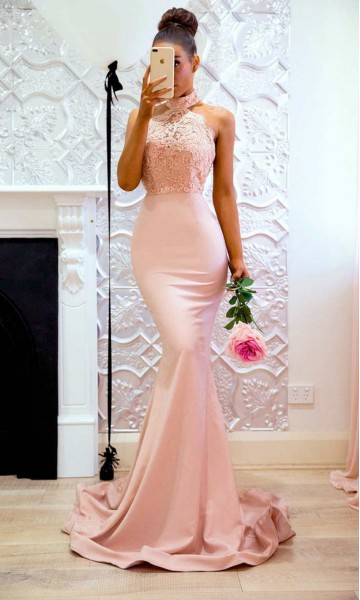
It’s common for the bridesmaids to provide their own shoes and accessories (e.g. bag, jewellery, stockings, hairpiece).
But if brides want to have full control over bridesmaids’ look, then you should pay for it. For example, if there’s a specific pair of shoes that you want all of your bridesmaids to wear, it’s up to you to pay for them
In other words, if you’re giving your girsl free regitn, it’s perfectly OK to expect your bridesmaids to pay for their own shoes. Of course, you can give them an indication of the colour you’d prefer – e.g. nude or white shoes – but let them sort themselves out.
The same goes for jewellery, and all other accessories. If you insist on everyone having 100% matching outfits with coordinating jewellery, that should form part of your wedding planning budget. If not, let them have control over everything except the dress. That way, they can choose whether to buy new accessories, or wear things they already own.
Who Pays for the Bridesmaids’ Hair and Makeup?
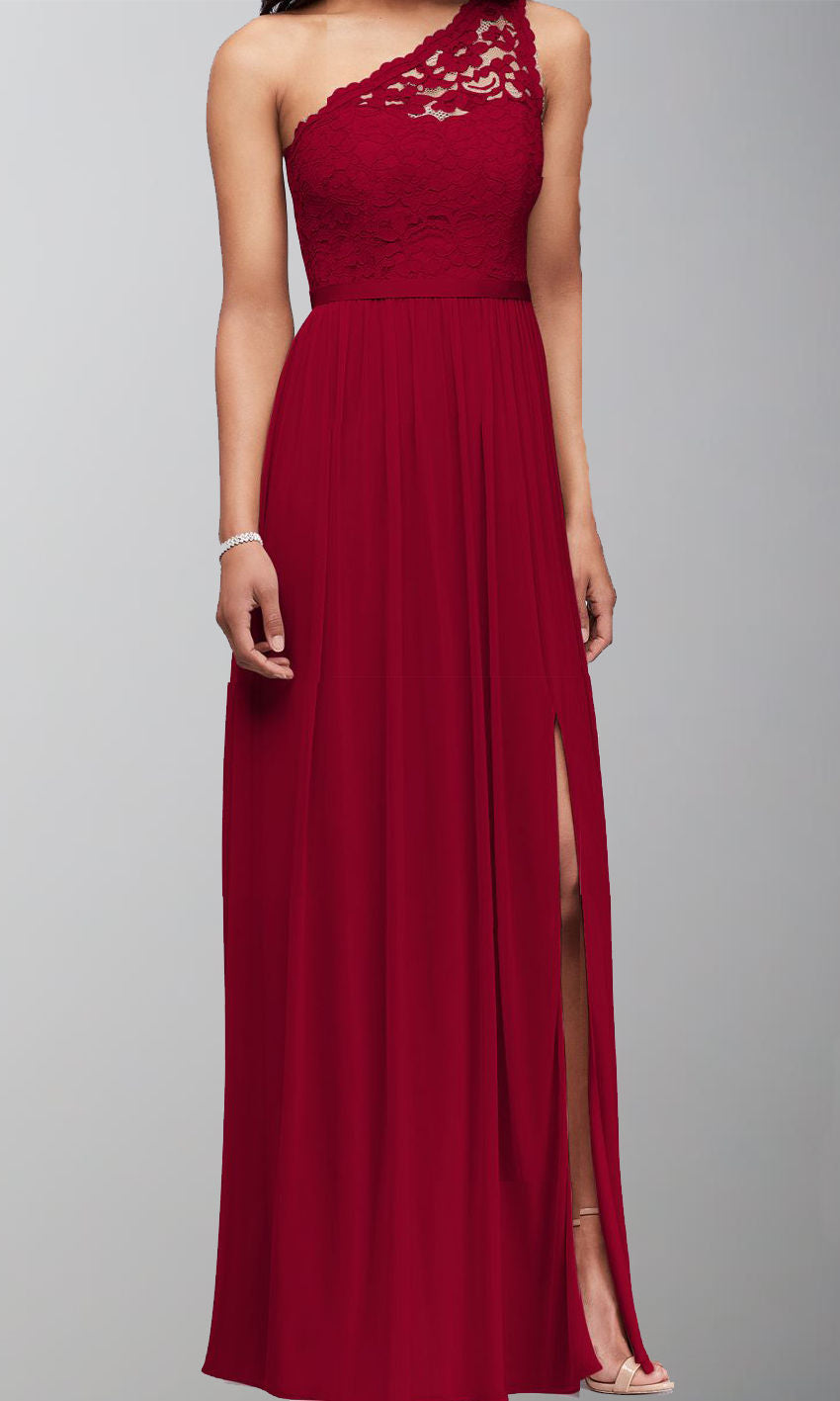
The same goes for your bridesmaids’ hair, nails and makeup on your wedding day. If you’d like them to have matching manicures, hairstyles and makeovers, you should pay. But if you’re not fussy, let them decide on their own look.
That way, if any of your girls wants to get her hair done professionally (for example), she can choose to do so and pay for it herself. But if the others would prefer not to, they can style their own hair.
It’s perfectly within reason for you to give some general guidelines. For example, you might ask that all your bridesmaids have nude nails. That way, they can choose whether to get a professional manicure, paint their nails themselves, or forego polish altogether.
Whatever you decide, make sure to address the subject directly with your girls when you ask them to be bridesmaids. Be transparent with them about their financial obligations from the get-go, so that they can make an informed decision. This will avoid any disagreements or tension in the lead up to your big day.
Real Bride Insight (What Actually Works)
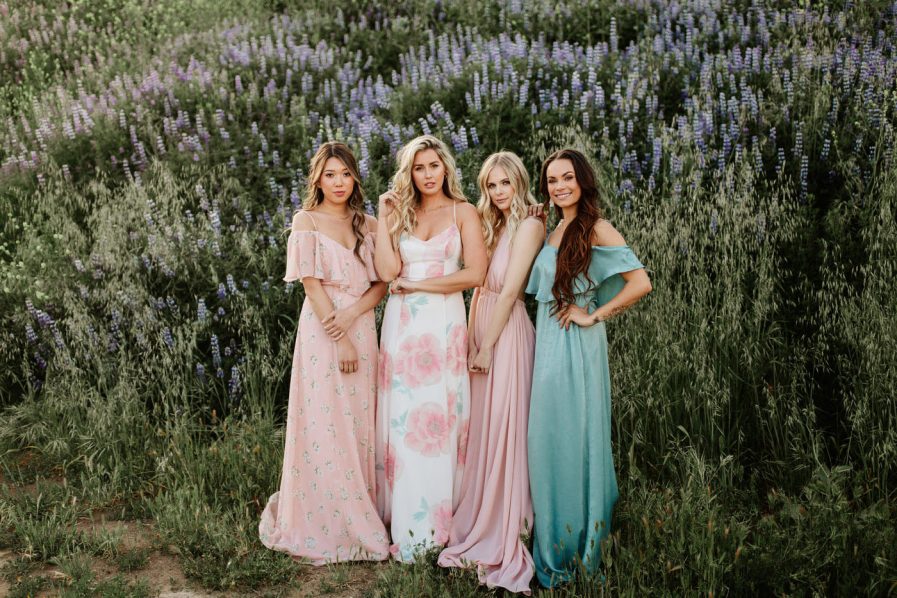
In real weddings, many brides are moving toward more flexible and thoughtful approaches. A common strategy is to give bridesmaids a color palette and let them choose a dress that suits their body type and budget. This allows everyone to feel comfortable while still achieving a cohesive look.
This shift reflects a broader trend toward personalization and inclusivity. Brides are prioritizing their bridesmaids’ comfort and financial situations rather than enforcing strict uniformity.
Budget-Friendly Solution (Best of Both Worlds)
One of the best ways to balance cost and style is to choose mix and match bridesmaid dresses. This approach allows bridesmaids to select dresses within a set color palette or fabric, giving them flexibility while maintaining a cohesive look. It also makes it easier to accommodate different budgets and body types.
This strategy is becoming increasingly popular in 2026 because it combines practicality with modern aesthetics. It’s a win-win for both the bride and her bridal party.
❓ Who Pay for Bridesmaid Dresses UK FAQs
No, it’s not considered rude in modern weddings, especially if expectations are communicated clearly. Many bridesmaids expect to contribute financially, as long as the costs are reasonable and fair. Transparency is the key to avoiding awkwardness.
Yes, in most cases bridesmaids are expected to pay for their own alterations. Even if the dress is provided, tailoring is considered a personal adjustment. It’s a good idea to mention this upfront so there are no surprises.
If a bridesmaid is struggling financially, etiquette suggests the couple should offer support discreetly. This could mean covering part of the cost or allowing a more affordable option. Handling this privately helps maintain dignity and avoids embarrassment.
Most dresses fall between £60 and £120, which offers a good balance of quality and affordability. Staying within this range keeps things accessible for most people.
Choose simple designs, focus on fabric quality, and stick to cohesive colors. These small decisions make a big difference in the overall look.
Keep It Fair and Stress-Free
Ultimately, there’s no single “right” answer to who pays for bridesmaid dresses. The best approach is one that balances tradition, fairness, and your bridal party’s financial comfort. By communicating clearly and being flexible, you can create a positive experience for everyone involved.
✨ A happy bridal party always looks better than a perfectly matched one.
Shop Affordable Bridesmaid Dresses (Best Budget-Friendly Options)
If you’re navigating who pays, choosing affordable but elegant dresses makes everything easier for everyone involved.
Explore all affordable bridesmaid dresses at Happyprom and find styles that suit every budget:
- Under £100 Picks (Most Popular Choice): Budget-friendly without sacrificing style. Ideal if bridesmaids are paying. Perfect balance of affordability + elegance
- Satin Bridesmaid Dresses: Sleek, glossy, and modern. Looks significantly more expensive than it is. Great option if you want a luxury look on a budget.
- Chiffon Bridesmaid Dresses: Soft, flowy, and universally flattering. Works for all body types and wedding styles. Safe choice for mixed bridal parties
- Mix & Match Styles: Different dresses, same color palette. Allows bridesmaids to choose within budge. Best solution for shared-cost weddings.
